Most offices discover they need a gluten-free line the same way: a new joiner mentions, politely, that they have coeliac disease, and somebody from the admin team orders a box of gluten-free crackers. The crackers arrive, go on the shelf next to everything else, and within a week they have been handled by forty people, stored under the bread, and served on the same board as the sandwiches. The product was right. The pantry made it unsafe.
That is the whole problem with gluten-free provision in a shared workplace, and it is why this guide spends as much time on cross-contact as on products. It sits alongside the allergen and dietary labelling guide, which covers the full allergen framework, and the halal compliance guide, which covers the other product-level certification most UAE pantries already manage; this one is the gluten-specific version.
Who actually needs this, and how strictly
Three groups ask for gluten-free food, and they need different things from you.
People with coeliac disease have an autoimmune reaction to gluten. It affects roughly one person in a hundred, a large share of whom are undiagnosed, and the only treatment is a strict, lifelong gluten-free diet. For this group, crumbs matter. A trace of gluten from a shared toaster or a knife that went into the bread first and the butter second is enough to cause harm, even when there are no immediate symptoms. This is the group the whole of this guide is designed around.
People with a wheat allergy have an allergic reaction to wheat proteins, which can be more immediate and occasionally severe. They avoid wheat specifically, and may tolerate barley and rye.
People who avoid gluten by preference or for non-coeliac sensitivity are the largest group. They want gluten-free options on the shelf but are not harmed by traces.
A pantry built for the first group serves all three. A pantry built for the third — a few gluten-free products placed wherever there is room — fails the first group completely, and the first group is the one with a genuine medical need. So design for coeliac disease and everyone else is covered.
Where gluten hides in an office pantry
Gluten is a protein found in wheat, barley and rye and in their relatives — spelt, kamut, triticale. The obvious sources are bread, pastries, pasta, crackers, biscuits, cakes and most cereals. The less obvious ones are where offices get caught:
- Malt. Malt extract, malt flavouring and malt vinegar come from barley. Malted breakfast cereals, malted milk drinks and many "crispy rice" cereals contain it — which is why a rice cereal is not automatically gluten-free.
- Soy sauce. Traditionally brewed with wheat. Tamari is often wheat-free, but check the label; the condiments and spreads guide covers the rest of the sauce shelf.
- Crisps and flavoured nuts. The potato or the nut is fine; the seasoning may contain wheat flour, barley malt vinegar or wheat-based flavour carriers. The savoury snacks guide covers how to read those panels.
- Stock cubes, soups and ready meals. Wheat flour is a common thickener.
- Oats. Oats themselves are tolerated by most people with coeliac disease, but conventional oats are routinely contaminated with wheat and barley during growing and milling. Only oats labelled gluten-free are safe, and a small minority of coeliacs react even to those. The breakfast cereals, oats and granola guide covers the oat shelf more generally.
- Plant-based proteins. Seitan is wheat gluten — it is essentially the product, not a trace of it — and many meat-alternative burgers, nuggets and deli slices use wheat protein as a binder. Tofu is naturally gluten-free; tempeh usually is, though some versions are made with added grains. If your plant-based range is meant to double as the gluten-free range, it probably cannot; check product by product. MHO's meat alternatives range lists composition for each line, and the plant-based pantry guide covers the wider category.
- Hot drinks. Plain coffee and tea are gluten-free. Malted drinks are not, and some flavoured powders and instant mixes use wheat- or barley-derived ingredients. The hot chocolate and winter drinks guide flags the malted-drink case on the winter station.
What is naturally gluten-free
The good news is that a large part of a well-stocked UAE pantry is already gluten-free, and the safest gluten-free provision leans on these products rather than on specialist substitutes:
- Fresh fruit and cut vegetables — the office fruit delivery guide covers the programme.
- Dates, dried fruit, plain nuts and seeds — plain, unseasoned, and ideally in sealed portion packs. The dried fruits and dates guide and the nuts and seeds guide cover sourcing.
- Yoghurt, labneh, cheese and eggs — plain versions. Check flavoured yoghurts with cereal or biscuit toppings. The chilled snacks guide covers the fridge line.
- Hummus and most dips — usually gluten-free, but served with bread and crackers, which is the cross-contact risk.
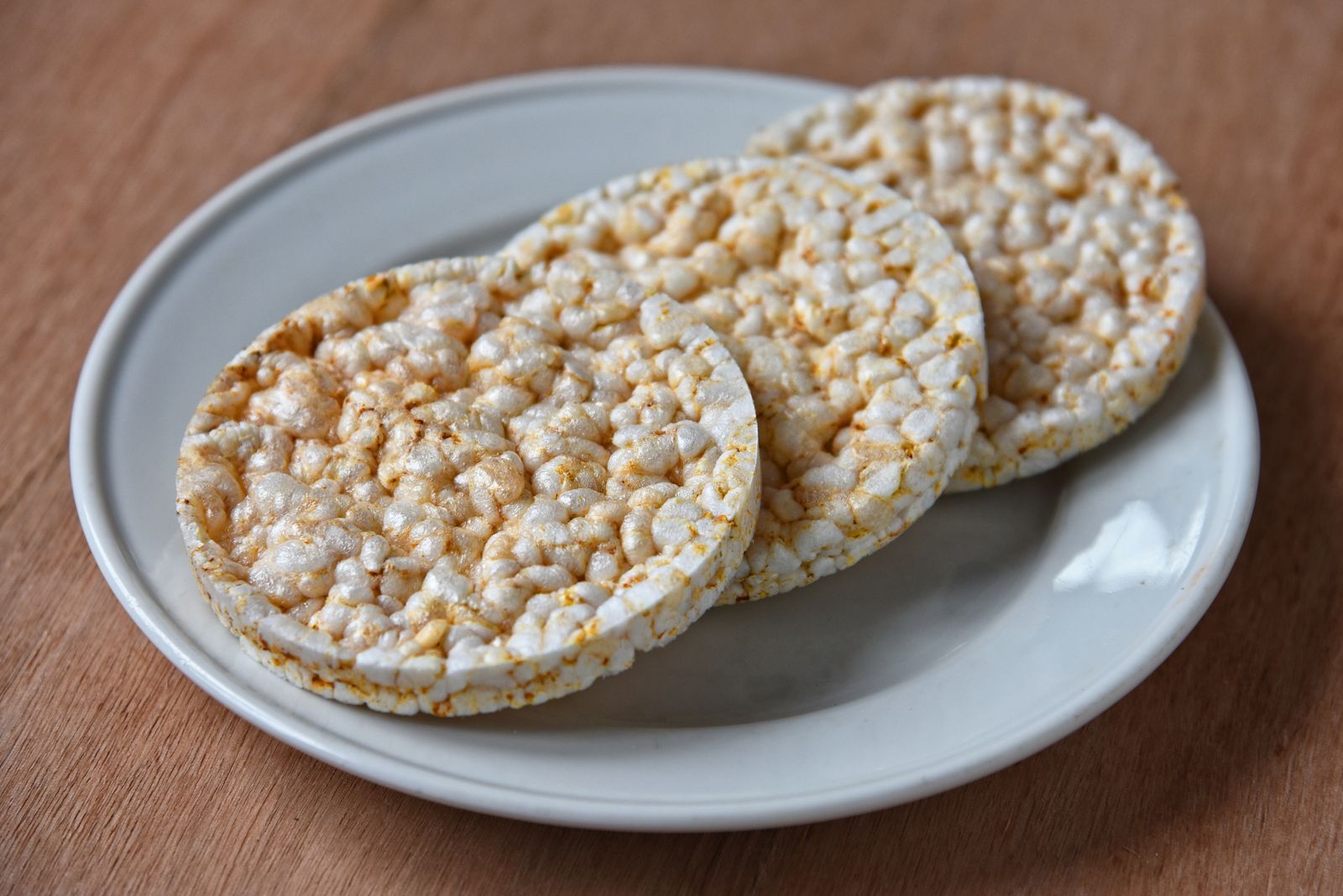
- Plain popcorn, rice cakes and corn cakes — the natural gluten-free replacement for crackers.
- Plain dark chocolate — often gluten-free, sometimes with a precautionary "may contain" statement; see the chocolate and confectionery guide.
- Plain coffee, tea, herbal infusions, water, juices and milk.
Then add a small, deliberate line of labelled gluten-free substitutes — bread or wraps, crackers, a granola or gluten-free oats, a couple of snack bars — for the things the naturally gluten-free list does not cover.
What a "gluten-free" label promises
"Gluten-free" on a label means the product contains no more than 20 mg of gluten per kilogram (20 parts per million). That is the international Codex threshold, which Gulf food standards align with, and it is the level at which the evidence says the great majority of people with coeliac disease are safe. It is a specific, regulated claim.
Two things it does not mean:
- "Wheat-free" is not "gluten-free". A wheat-free product can contain barley or rye.
- "No gluten-containing ingredients" is not "gluten-free". The ingredient list may be clean while the factory line is not. Only the gluten-free claim addresses contamination.
Separately, cereals containing gluten are one of the allergens that must be declared in the ingredient list on pre-packaged food sold in the UAE. "May contain" statements — precautionary allergen labelling — are voluntary and are not standardised: one manufacturer uses them liberally and another not at all. For a coeliac colleague, the practical rule is simple. Buy products carrying a gluten-free claim for the gluten-free shelf, and do not treat the absence of a warning as a guarantee.
Cross-contact: the part that actually decides safety
This is the section to print and put on the pantry wall.
1. Toasters. A shared toaster is the single most common way a gluten-free pantry fails. Either provide a dedicated, clearly labelled gluten-free toaster, or provide reusable toaster bags and make them the rule. Never a shared toaster without bags.
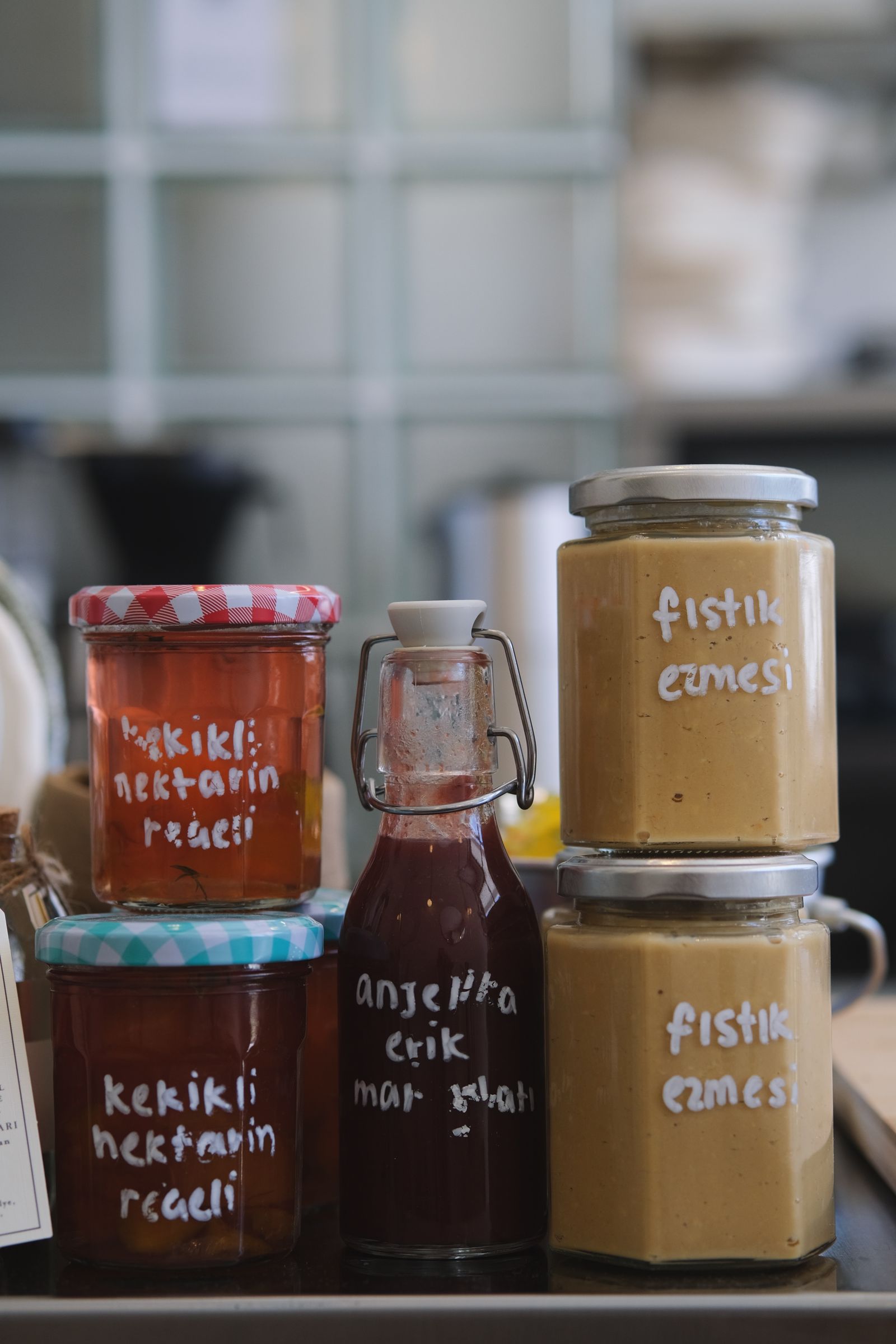
2. Spreads. A butter or jam jar that has had a knife in it after touching ordinary bread contains crumbs. Use squeezy bottles and individual portion sachets for anything the gluten-free user will share, or give them their own labelled jars. The condiment guide's no-decanting and jar-versus-sachet rules were written for exactly this.
3. Storage. Store gluten-free products on a dedicated shelf above the ordinary bread and crackers, never below — crumbs fall down. Keep them sealed and in their original packaging so the gluten-free claim stays with the product. If you are fitting out or reconfiguring the pantry, a small dedicated cupboard is worth asking for at design stage; MHO's office fit-out services cover the pantry joinery, and the pantry design and layout guide covers where the zones go.
4. Bulk dispensers. Gravity bins and scoop jars for cereals, nuts or snacks share scoops, and scoops migrate between bins. Anything the gluten-free user will eat from a bulk dispenser is only as safe as the scoop last used in it. Portion packs solve this.
5. Boards, knives and surfaces. Separate, colour-coded boards and knives for gluten-free preparation, and a surface wipe-down before use. Colour-coded cloths and food-safe surface cleaners are the cheapest part of the whole system — MHO carries them in the cleaning supplies range and the facility hygiene range.
6. Microwaves and ovens. Covered containers solve most of the risk. A splatter guard or microwave cover for each user is simpler than a dedicated appliance.
Write these rules into the pantry policy — the pantry policy template and the pantry etiquette guide are the natural homes — so that the arrangement survives the next change of office manager.
Meetings, events and catering
Catered meetings are where gluten-free colleagues most often go hungry, because the platter was ordered for the room and the gluten-free item was an afterthought placed in the middle of it.
- Order gluten-free items individually wrapped and labelled, not as one wrap on a mixed sandwich platter.
- Serve them first, or on a separate plate with separate tongs, before anyone reaches across the table.
- Tell the caterer at the time of order, not at delivery, and ask what they do to prevent cross-contact in their own kitchen. A caterer who cannot answer is telling you something.
- Label the table. A folded card saying "gluten-free — please use the tongs on this plate" does more than any policy.
The breakfast meeting catering guide covers the rest of the meeting order, and MHO's breakfast and corporate events range supplies gluten-free items packed for exactly this.
Where this matters most
- Large multinational offices with international hiring see gluten-free requests earliest and most often. They are concentrated in Downtown Dubai, Dubai Marina, DIFC and ADGM.
- Exhibition and event teams working out of Dubai World Trade Centre cater for large, unknown audiences, where "gluten-free, individually wrapped and labelled" is the only format that survives a crowded buffet.
- Airline and airport operations already speak this language — the gluten-free special meal has its own IATA code, GFML, on every flight — and the same standard is reasonable to expect in the crew room. See the aviation and airport services vertical.
- Remote sites, camps and rotational workforces, where staff cannot simply go out and buy something else, need a gluten-free line that is planned rather than improvised. The oil and gas and energy vertical covers the site pattern.
- Universities and training providers in Dubai Knowledge Park and across the schools and universities vertical, and clinics and hospitals in the healthcare vertical, are expected to get dietary provision right because their audiences include the people most likely to be diagnosed.
The full list of sectors MHO supplies is on the industries page.
What it costs
Gluten-free substitutes cost more than the products they replace — gluten-free bread and wraps typically two to three times as much, crackers and snack bars somewhat less of a premium. That is the reason not to make the entire pantry gluten-free, and the reason to lean on the naturally gluten-free list instead.
For planning, size the substitute line to the people who need it rather than to headcount. For each colleague who eats gluten-free, budget roughly AED 40–80 per month for dedicated substitute products — bread or wraps, crackers or rice cakes, a gluten-free granola or oats, and a few bars — plus a one-off AED 150–300 for a dedicated toaster or a set of toaster bags, boards and a labelled storage box. Everything else comes from the fruit, nuts, dairy and drinks the pantry already buys. The cost-per-employee guide shows how that sits against the rest of the budget: small, and one of the most noticed things a pantry does.
The short version
Design the gluten-free provision for coeliac disease and every other gluten-free user is covered. Know where gluten hides — malt, soy sauce, crisp seasoning, stock, conventional oats and seitan. Lean on the naturally gluten-free pantry (fruit, dates, plain nuts, dairy, eggs, rice cakes, popcorn) and add a small line of products carrying a gluten-free claim, which means no more than 20 mg/kg. Then fix the cross-contact: a dedicated toaster or toaster bags, sachets or separate jars for spreads, gluten-free products stored sealed on a shelf above the bread, portion packs instead of shared scoops, separate boards and knives. For meetings, order gluten-free items individually wrapped and serve them first. Budget roughly AED 40–80 per gluten-free colleague per month.
MHO supplies gluten-free snacks, rice cakes, plain nuts and dried fruit through the office snacks range, nuts and seeds, dried fruits and low-sugar treats, alongside fresh fruit and cut vegetables and dairy and plant-based milk — each line labelled at product level so the gluten-free claim reaches the shelf. Browse the full range by category, check every area we deliver to, or talk to us about a gluten-free line for your office.
Frequently asked questions
What does "gluten-free" mean on a food label? It means the product contains no more than 20 mg of gluten per kilogram, or 20 parts per million — the international Codex threshold that Gulf food standards align with, and the level at which the great majority of people with coeliac disease are safe. It is different from "wheat-free", which can still contain barley or rye, and from a product that simply has no gluten-containing ingredients on its list, since only the gluten-free claim addresses contamination during manufacture.
Are oats gluten-free? Oats do not contain gluten themselves, and most people with coeliac disease tolerate them, but conventional oats are routinely contaminated with wheat and barley in the field and the mill. Only oats labelled gluten-free should go on a gluten-free shelf, and a small minority of people with coeliac disease react even to those, so ask the colleague concerned rather than assuming.
Can someone with coeliac disease use a shared office toaster? Not safely. Crumbs from ordinary bread stay in the toaster and transfer to gluten-free bread, and trace amounts are enough to cause harm in coeliac disease even without obvious symptoms. Either provide a dedicated, clearly labelled gluten-free toaster, or provide reusable toaster bags and make using them the rule.
Which everyday office snacks are naturally gluten-free? Fresh fruit and vegetables, dates, plain dried fruit, plain unseasoned nuts and seeds, plain yoghurt, labneh, cheese, eggs, plain popcorn, rice cakes and corn cakes, and most plain dark chocolate. Plain coffee, tea and herbal infusions are gluten-free as well. The risks are in the seasoning, the coating and the scoop — flavoured nuts and crisps can contain wheat or barley malt vinegar, and anything taken from a shared bulk bin may have been contaminated by another product's scoop.
Are meat alternatives and plant-based foods gluten-free? Not reliably. Seitan is made from wheat gluten, and many plant-based burgers, nuggets and deli slices use wheat protein as a binder. Tofu is naturally gluten-free and tempeh usually is. A plant-based range cannot double as a gluten-free range without checking each product for a gluten-free claim.
How much does a gluten-free office pantry line cost? Size it to the people who need it rather than to headcount. Roughly AED 40–80 per gluten-free colleague per month covers dedicated substitutes such as bread or wraps, crackers or rice cakes, gluten-free oats or granola and a few snack bars, plus a one-off AED 150–300 for a dedicated toaster or toaster bags, separate boards and a labelled storage box. The rest of their provision comes from the fruit, nuts, dairy and drinks the pantry already buys.