Bread is one of the quietest workhorses in an office pantry. It is the toast people make when they skip breakfast, the sandwich they build when they cannot leave the desk, and the base for whatever is in the fridge. It is also one of the lines most often thrown away: loaves go mouldy by Thursday, wraps dry out once opened, and the half-used khubz from Monday ends up in the bin.
Most of that waste comes from storage, not from over-ordering. This guide covers what to stock, how to store it in a UAE pantry, the mould rule, allergens and halal, toasters, quantities and cost. Pastries and catered bakery for meetings are covered separately in the fresh bakery for morning meetings guide.
What to stock
A good office bread line is small. Three or four products cover almost everyone.
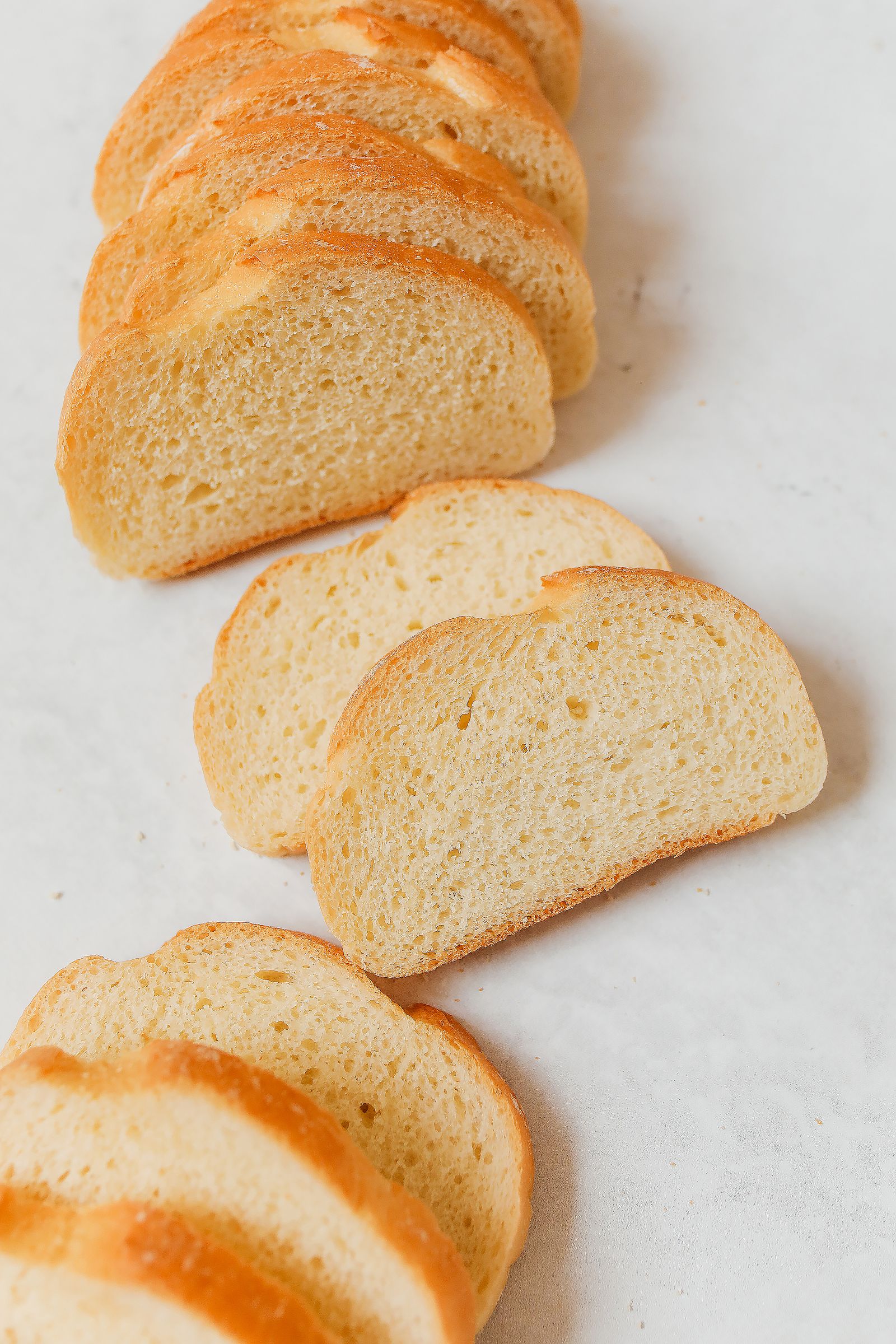
- Sliced sandwich bread. One wholemeal or whole-grain loaf and one white or soft loaf. The whole-grain loaf is the everyday choice; the white loaf is what many people want for toast.
- Arabic bread (khubz) or pita. The most familiar bread for much of the UAE workforce, and the natural partner for hummus, labneh, cheese and za'atar. Buy it fresh and in small packs; it stales within a day or two once opened.
- Tortilla wraps. Wraps keep much longer than bread, travel well and make a fast desk lunch. A pack of whole-wheat wraps is the most useful single item on this list for a small office.
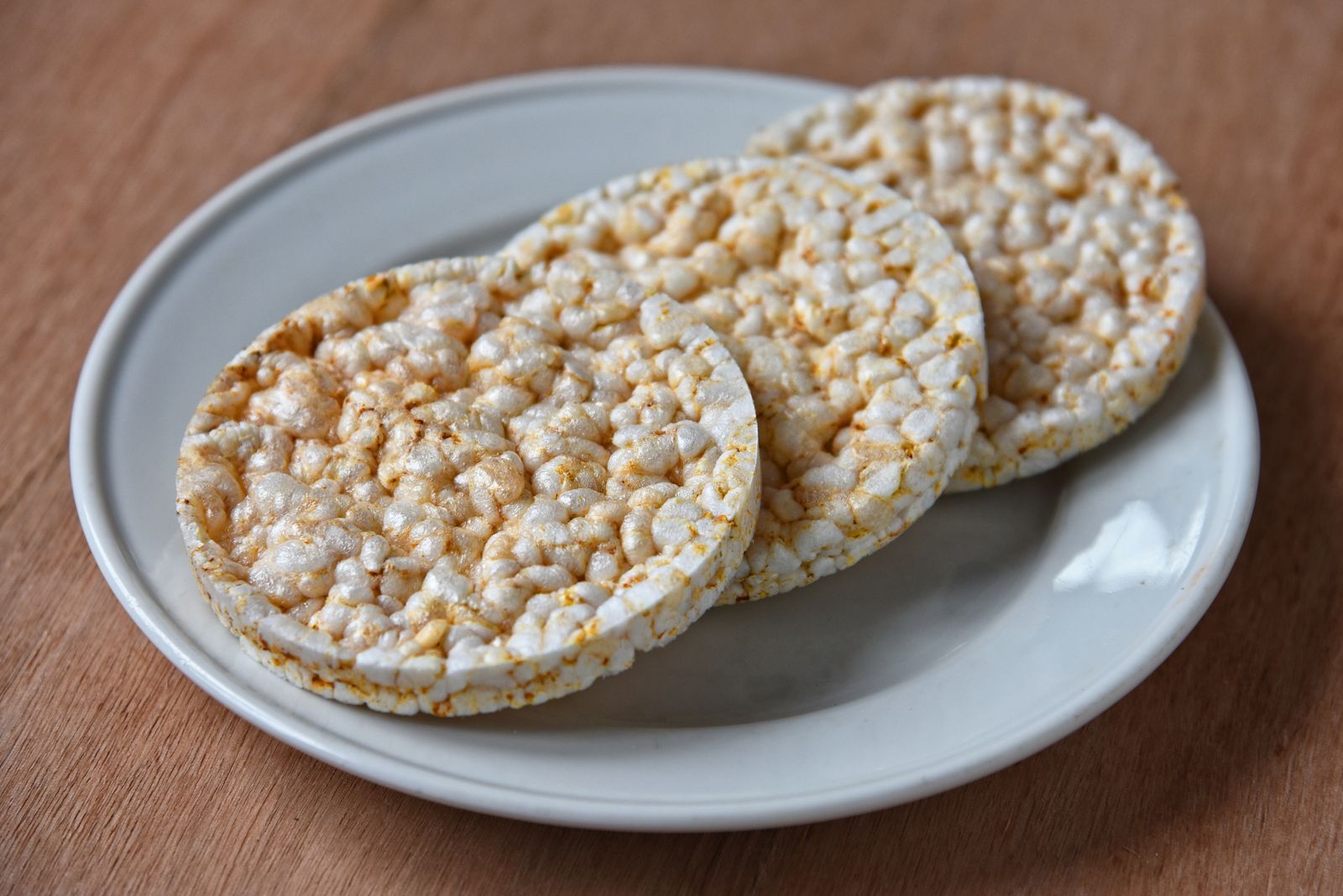
- A gluten-free option. Rice cakes or corn thins that are sealed and labelled, or individually wrapped gluten-free bread. The gluten-free pantry guide covers how to keep it safe from crumbs.
Optional extras for larger offices: bagels, English muffins, crispbreads and a seeded sourdough loaf for people who care about bread.
Whole grain versus "multigrain". "Multigrain" means several grains are present, not that they are whole. If the aim is fibre, check that whole-wheat or whole-grain flour is the first ingredient. Bread is also one of the biggest sources of salt in most diets, so compare salt per 100 g on the label; around 1 g of salt per 100 g or less is a reasonable target for everyday bread.
Storage: why bread goes stale and mouldy
Bread has two different enemies, and they need opposite treatment.
Staling is the starch in bread re-crystallising and pushing out moisture. It happens fastest at fridge temperatures. That is why bread goes stale faster in the fridge than on the counter, even though it moulds more slowly there.
Mould needs warmth and moisture. A UAE pantry has plenty of both: warm afternoons, steam from the kettle and coffee machine, and humid air every time a door opens. Packaged sliced bread with preservatives typically lasts several days; fresh bakery bread and khubz last one to three days.
So the rules are:
- Keep bread in its closed bag, in a bread bin or closed cupboard, away from the kettle, the coffee machine, the dishwasher and any window that takes afternoon sun.
- Do not refrigerate sliced bread. It stales quickly and tastes old.
- Freeze what will not be eaten within two or three days. Sliced bread freezes well and toasts straight from frozen, slice by slice. For a small office, freezing half of every loaf on delivery is the simplest way to stop the Thursday bin.
- Wraps: unopened packs keep for weeks; once opened, reseal and follow the label, which often says to refrigerate.
- Khubz: buy little and often. What will not be eaten the same day can be frozen and warmed through.
Write the delivery date on each bag, put new stock behind old, and include bread in the weekly pantry check. The inventory management guide covers first-in-first-out, and the food waste guide covers the wider habits.
The mould rule
If you see mould on one slice, throw away the whole loaf. Soft bread is porous, so mould spreads through it well beyond the visible spot. Do not cut the mould away, do not toast it, and do not smell it to check.
Put the rule on the pantry wall, next to the rest of the office kitchen etiquette rules. Mould on bread is almost always a storage problem: a loaf left open, kept beside the kettle, or held too long. Fix the storage and it rarely comes back.
Allergens and dietary needs
Bread carries more allergens than it looks.
- Wheat and gluten in almost every bread, wrap and pita.
- Sesame on buns, bagels, some khubz and seeded loaves. Sesame is a major allergen and easy to miss.
- Milk and egg in brioche, milk bread and some soft rolls.
- Soy flour in some sliced loaves; nuts in some multigrain and fruit breads.
Keep the products in their labelled packaging, or label the shelf if bread is decanted. The allergen and dietary labelling guide covers how to do this across the pantry. Most plain breads are suitable for vegans, but brioche and milk bread are not; the plant-based pantry guide covers the rest of that range, and the meat alternatives range adds plant-based sandwich fillings.
Halal checks. Plain bread is rarely a problem, but some ingredients are worth checking on imported products: certain dough improvers and flavourings, and the fat in some pastries. Buying from a UAE-registered supplier with halal certification on the product line is the practical safeguard; the halal compliance guide covers the detail.
Toasters and crumbs
- Empty the crumb tray weekly. A full tray is a fire risk and a magnet for ants.
- Unplug and wipe down the toaster as part of the pantry clean, and keep it away from the sink.
- A separate toaster, or toaster bags, for gluten-free bread. A shared toaster is one of the main cross-contact points for people with coeliac disease.
- One toaster per 25–30 regular toast-makers avoids a morning queue. A four-slot model is worth the extra cost in most offices.
Crumbs on the counter and the floor are the main reason pantries get pests. The cleaning cloths, sprays and bins for that come from the cleaning supplies range, usually on the same delivery as the rest of the pantry. Offices that also order desk supplies can put bread, cleaning and stationery on one order and one invoice.
What to put with it
Bread is only as good as what goes on it. A small, well-chosen set of fillings covers breakfast and lunch.
- Spreads: peanut butter, jam, honey, butter or a plant-based spread, labneh and cream cheese. The condiments and spreads guide covers jars versus portions and allergens.
- Chilled fillings: hummus, cheese slices, halloumi, yoghurt-based dips. The chilled snacks and fridge guide covers fridge hygiene and dates.
- Breakfast alongside: oats and cereals for people who do not want toast, covered in the breakfast cereals guide.
- Lunch alongside: soups and ready meals, covered in the instant soups and ready meals guide.
How much to order
Start from a head count, not a habit.
- A standard sliced loaf has roughly 16–20 slices. If 20 people make two slices of toast each morning, that is about two loaves a day.
- For a 50-person office where toast is popular, a starting order might be 8–10 sliced loaves, 3–4 packs of khubz and 3 packs of wraps a week, split over two or three deliveries, with a couple of loaves in the freezer as a buffer.
- Wraps and frozen bread absorb the uncertainty. Fresh khubz and bakery loaves should be ordered for the next day or two only.
Track what is thrown away for a fortnight and adjust. Bread waste is the fastest line to fix because the order can change every delivery.
Who uses the most bread
- Offices with early starts and long days, such as fintech, tech companies and startups and media and creative agencies, where toast is breakfast and a wrap is lunch at the desk. Teams in Dubai Media City, Dubai Design District and Dubai Silicon Oasis fall squarely here.
- Labs and clinical sites, in pharmaceutical and life sciences around Dubai Healthcare City and Dubai Science Park, where people cannot easily leave for lunch and allergen labelling matters.
- Small offices with a premium pantry, such as family offices and real estate and property companies, where a good sourdough and quality spreads are part of the client-facing pantry.
- Campuses and education hubs in Dubai Knowledge Park, and Abu Dhabi offices on Saadiyat Island, Al Reem Island and in Masdar City.
What it costs
Indicative UAE retail-equivalent ranges; volume pricing is lower.
- Sliced sandwich bread: roughly AED 5–12 a loaf, more for sourdough and specialty loaves.
- Arabic bread: roughly AED 2–5 a pack.
- Tortilla wraps: roughly AED 8–15 a pack.
- Gluten-free bread: typically two to three times the price of standard bread.
For a 50-person office, bread usually comes to a few dirhams per person per month, which is small next to what is thrown away when storage goes wrong. The food safety rules guide covers the rest of the pantry's handling rules.
The short version
- Stock three or four products: whole-grain and white sliced bread, khubz, wraps, and a sealed gluten-free option.
- Store bread closed, in a bread bin or cupboard, away from the kettle and coffee machine.
- Never refrigerate sliced bread; freeze what will not be eaten in two or three days.
- If there is mould on one slice, throw away the whole loaf.
- Label allergens, especially sesame, milk and egg; keep a separate toaster or toaster bags for gluten-free.
- Order little and often, keep a freezer buffer, and track waste for two weeks before changing the order.
Frequently asked questions
Should office bread be kept in the fridge? No. Bread stales fastest at fridge temperatures, so refrigerated sliced bread tastes old within a day or two. Keep it closed in a bread bin or cupboard away from heat and steam, and freeze anything that will not be eaten within two or three days. Opened wraps are an exception; follow the label, which often says to refrigerate.
How do we stop bread going mouldy in the office? Keep bags closed, store bread away from the kettle, coffee machine, dishwasher and sunny windows, order smaller amounts more often, and freeze half of each loaf on delivery in small offices. Date each bag and use the oldest first.
Is it safe to cut the mould off bread? No. Soft bread is porous and mould spreads beyond the visible spot, so the whole loaf should be thrown away. Do not toast mouldy bread or smell it to check.
What bread should an office pantry stock? Most offices are well served by a whole-grain sliced loaf, a white or soft sliced loaf, fresh Arabic bread or pita, tortilla wraps, and a sealed gluten-free option such as rice cakes or individually wrapped gluten-free bread.
Which allergens are in bread? Wheat and gluten are in almost all bread. Sesame is common on buns, bagels, seeded loaves and some Arabic bread. Milk and egg are in brioche and milk bread, soy flour is in some sliced loaves, and nuts appear in some multigrain and fruit breads. Keep products in labelled packaging or label the shelf.
How much bread does an office need? A sliced loaf has roughly 16 to 20 slices. For a 50-person office where toast is popular, a starting point is about 8 to 10 sliced loaves, 3 to 4 packs of Arabic bread and 3 packs of wraps a week, split over two or three deliveries, then adjusted after tracking waste for two weeks.