The fastest way to sour the mood in an otherwise happy UAE office is not a missed bonus or a tough quarter. It is the third week of finding someone else's lunch missing from the fridge, a coffee machine left crusted at 9 a.m., and a sink of mugs that nobody owns. The office pantry is the one space every employee touches daily, and it is where small frictions compound into real culture problems.
Most UAE companies have a procurement-side pantry policy — what gets ordered, who approves spend, what the SLA is. Far fewer have an etiquette charter: the behavioural ground rules that keep a shared kitchen civil, hygienic, and welcoming across a workforce that, in a typical Dubai or Abu Dhabi office, spans a dozen nationalities and several dietary frameworks.
This guide is the etiquette half of the equation. It is written for HR managers, office managers, and team leads who own the lived experience of the break area — not the invoice. If you also need the procurement-side document, pair this with our office pantry policy template for UAE 2026.
Why etiquette is a business problem, not a nicety
Break-area friction is easy to dismiss as trivial. The data says otherwise. In offices we work with across the UAE, pantry-related complaints are consistently among the top three recurring items in internal facilities and HR tickets — alongside meeting-room booking and air-conditioning. Each one is small; collectively they erode the daily sense that the workplace is well run.
There are three concrete costs:
- Lost time. A pantry that is chaotic, dirty, or out of clean mugs pushes people to leave the building for coffee. Across a 100-person office, even 15 minutes per person per day of "I'll just go downstairs" adds up to a meaningful productivity leak.
- Hygiene and food-safety exposure. A shared fridge with unlabelled, forgotten food is not just unpleasant — in the UAE summer it is a genuine food-safety risk. Dubai Municipality and ADAFSA expectations around chilled storage do not stop at the vendor's handover; once food sits in your office fridge, the standard of care is effectively yours.
- Inclusion. Multicultural and multi-faith etiquette around halal, vegetarian, and allergen-containing food is not optional politeness in the UAE — it is a baseline of respect that directly affects how included employees feel.
An etiquette charter is the cheapest culture intervention available to an office manager. It costs nothing to publish and it prevents the slow-burn resentment that no amount of premium coffee can offset.
The shared fridge: the single biggest source of friction
If you fix only one thing, fix the fridge. Nearly every pantry dispute traces back to it.
Rules that actually work:
- Label or lose it. Every personal item gets a name and a date. Anything unlabelled is treated as communal or is cleared. Provide a roll of masking tape and a marker on top of the fridge — friction-free labelling is the only labelling that happens.
- Friday is clear-out day. In the UAE's Sunday-to-Thursday or Monday-to-Friday week, designate the last working day for a fridge purge. Everything not labelled with that week's date is binned at end of day. Announce it once; after that it runs itself.
- Shelf zoning. Where space allows, assign a shelf or zone to communal pantry stock (milk, water, shared condiments) versus personal items. It stops the weekly "where did the office milk go" cycle.
- No raw or strongly-aromatic items overnight. Durian, heavily spiced leftovers, and raw seafood in a small shared fridge in a hot climate are a recipe for complaints and odour that lingers for days.
- First-in-first-out for communal stock. Train the habit of reaching for the front, oldest item — this is the same principle a managed pantry vendor uses to control waste, and it works at the household-fridge scale too.
A weekly clear-out also dramatically reduces avoidable food waste, which matters if your company reports on it — see our guide to reducing food waste in the UAE office pantry.
Coffee station and equipment etiquette
The coffee machine is the second-highest-traffic point in the pantry and the second-biggest source of grievance.
- Leave it as you found it. Wipe the drip tray, rinse the portafilter or pod chute, and never walk away from a half-finished descaling cycle.
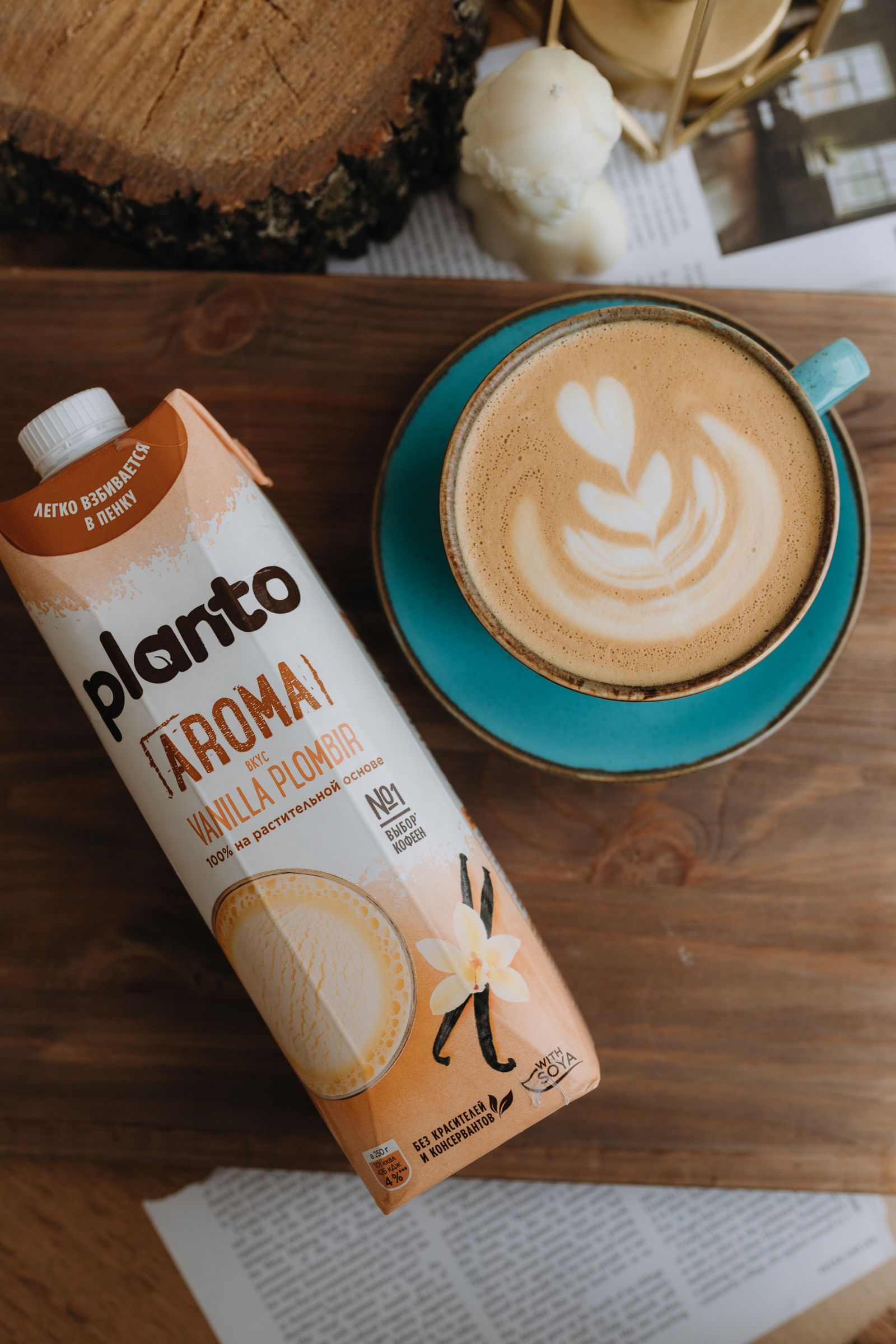
- Last cup makes the next pot. For filter or bulk brewers, whoever takes the last cup starts a fresh batch. This single norm prevents the 11 a.m. empty-carafe standoff.
- Report, don't abandon. A machine that is malfunctioning gets reported to the office manager or via the agreed channel — not left silently broken for the next person to discover. A simple laminated "out of order — reported at [time]" card next to the machine saves a dozen frustrated attempts.
- Own your mug. Personal mugs go back to desks or get washed and shelved — never left souring in the sink. If you run communal mugs, the rule is wash-after-use, full stop.
If your equipment itself is the bottleneck — constant breakdowns, long queues at a single machine — that is a capacity problem, not an etiquette one. Our office coffee programs guide for the UAE covers right-sizing the machine to headcount.
Hygiene rules built for the UAE climate
Generic office etiquette advice underestimates how much the Gulf summer changes the maths. From May to September, ambient kitchen temperatures and humidity accelerate spoilage and pest risk dramatically.
- Nothing perishable left on the counter. Fruit, dairy, and cooked food go straight into the fridge. An open packet of dates or nuts left out overnight is an open invitation to pantry pests, which are a real and persistent challenge in UAE buildings.
- Seal everything. Communal dry goods — sugar, biscuits, crackers, coffee — belong in sealed containers, not open packets. This is hygiene and freshness in one move.
- Bins emptied daily, not when full. A food-waste bin in a 35°C+ building cannot wait for "full." Agree a daily empty with cleaning staff, and keep the bin lidded.
- Spills cleaned immediately. Sugar and drink spills attract ants within hours in this climate. The norm has to be clean-it-now, not leave-it-for-cleaning.
For the operational backbone behind these habits — cleaning cadence, pest control, and supply replenishment — see our piece on smart hygiene, safety and sustainability in the office pantry.
Multicultural, halal and dietary respect
This is the section that most imported etiquette templates skip entirely, and it is arguably the most important one in a UAE workplace.
- Halal as the default for communal food. When the company provides shared snacks, catering, or treats, default to halal-certified items so that no one is excluded. It is the simplest way to make communal food genuinely communal.
- Label allergens and ingredients on shared food. When someone brings in food to share, encourage a quick note on what it contains — particularly nuts, sesame, dairy, gluten, and pork or alcohol-derived ingredients. This protects both people with allergies and people with dietary or faith-based restrictions. UAE allergen-labelling norms already apply to vendor-supplied items; extending the habit to staff-shared food is good practice.
- Respect personal and faith-based diets without comment. Vegetarian, vegan, and observant colleagues should never have to justify or explain their choices at the shared table.
- Keep clearly-labelled separation where it matters. Where pork or alcohol-containing items are present (rare in most UAE offices, but possible), keep them clearly separated and labelled in the shared fridge.
Building an inclusive assortment from the procurement side reinforces all of this — our nutritionist-approved office snack list for 2026 is built with broad dietary suitability in mind.
Ramadan and seasonal etiquette
The UAE calendar shapes pantry behaviour in ways a generic guide cannot anticipate.
- During Ramadan, be considerate about eating and drinking in shared, open areas during fasting hours. Many UAE offices designate a discreet pantry or screened area where non-fasting and exempt colleagues can eat without discomfort to anyone. Make the arrangement explicit and kind, not awkward.
- Stock and timing shift. Pantry consumption patterns change during Ramadan — quieter days, different peak times. Plan replenishment around it. Our healthy fasting at work guide for Ramadan 2026 covers the assortment side.
- Celebrations are inclusive by default. Eid, Diwali, Christmas, National Day — shared treats are a wonderful culture-builder when the assortment is thought through so everyone can join in.
Putting it on paper: a one-page etiquette charter
Etiquette only sticks when it is written, visible, and short. A charter nobody reads is worthless; aim for one laminated page on the pantry wall. Here is a template you can adapt:
Our Pantry Charter
- Label your food with your name and the date. Unlabelled items are cleared every [Friday].
- Wash your mug and utensils right after use — never leave them in the sink.
- Leave the coffee machine clean and ready; if you take the last cup, start the next pot.
- Report broken equipment immediately to [office manager / channel].
- Put perishables straight in the fridge; seal communal dry goods.
- Clean your spills on the spot.
- Keep shared food halal-friendly and label allergens.
- Be considerate during Ramadan and of colleagues' dietary and faith-based choices.
- The pantry belongs to all of us — leave it better than you found it.
Pin a name and a channel to it (who to tell when the milk runs out, who owns the clear-out), and review it once a quarter. A charter with no owner quietly dies.
How a managed pantry makes etiquette easier
Half of all pantry etiquette problems are really supply problems in disguise. People hoard, label-war, and leave messes when stock is unreliable or there is never a clean mug. A well-run managed pantry service removes the root cause: consistent replenishment against agreed PAR levels, scheduled cleaning and restocking, sealed and rotated dry goods, and an assortment specified to be inclusive from day one.
When the milk never runs out, nobody guards their carton. When the disposables are always topped up, the sink stays empty. Etiquette is far easier to maintain when scarcity is engineered out of the system — which is precisely what a managed program is designed to do. For the full comparison of service models, see office vending machines vs managed pantry in the UAE.
Frequently asked questions
Why does pantry etiquette matter beyond keeping things tidy? It carries three concrete costs. Lost time — a chaotic or dirty pantry pushes people to leave the building for coffee, and across a 100-person office even 15 minutes each per day is a meaningful productivity leak. Hygiene and food-safety exposure, because once food sits in your office fridge the standard of care is effectively yours, and the UAE summer makes that a genuine risk. And inclusion, since multicultural and multi-faith etiquette around halal, vegetarian and allergen-containing food directly affects how included employees feel.
What shared-fridge rules actually work? Five. Label or lose it — every personal item gets a name and date, with tape and a marker kept on top of the fridge so labelling is friction-free. A designated weekly clear-out day, announced once, after which it runs itself. Shelf zoning that separates communal stock from personal items. No raw or strongly-aromatic items overnight. And first-in-first-out for communal stock.
How should hygiene rules change for the UAE climate? From May to September, ambient kitchen temperatures and humidity accelerate spoilage and pest risk dramatically. Nothing perishable stays on the counter — an open packet of dates or nuts left overnight invites pantry pests. Communal dry goods go in sealed containers, not open packets. Bins are emptied daily and kept lidded rather than waiting for "full" in a 35°C+ building. And spills are cleaned on the spot, because sugar and drink spills attract ants within hours.
What should a UAE pantry charter say about halal and dietary respect? Default to halal-certified items for any shared snacks, catering or treats, so communal food is genuinely communal. Encourage a quick note on ingredients when someone brings food to share, particularly nuts, sesame, dairy, gluten, and pork or alcohol-derived ingredients. Respect personal and faith-based diets without comment. And keep clearly-labelled separation where pork or alcohol-containing items are present. During Ramadan, make the arrangement for non-fasting colleagues explicit and kind rather than awkward.
The bottom line
A pantry etiquette charter is the highest-leverage, lowest-cost culture move an office manager can make in 2026. It turns the most-touched space in your office from a source of daily friction into a small, reliable signal that the workplace is well run and genuinely inclusive. Write it down, give it an owner, keep it to one page, and back it with a supply system that makes good behaviour the easy default.
If you would like help building a pantry program — assortment, cleaning cadence, and an inclusive, halal-friendly stock list tuned to your team — contact MHO. We will design it around how your people actually use the space.
Further reading: Office pantry policy template UAE 2026, Smart hygiene, safety and sustainability in the office pantry, Boosting employee wellbeing with premium hydration.