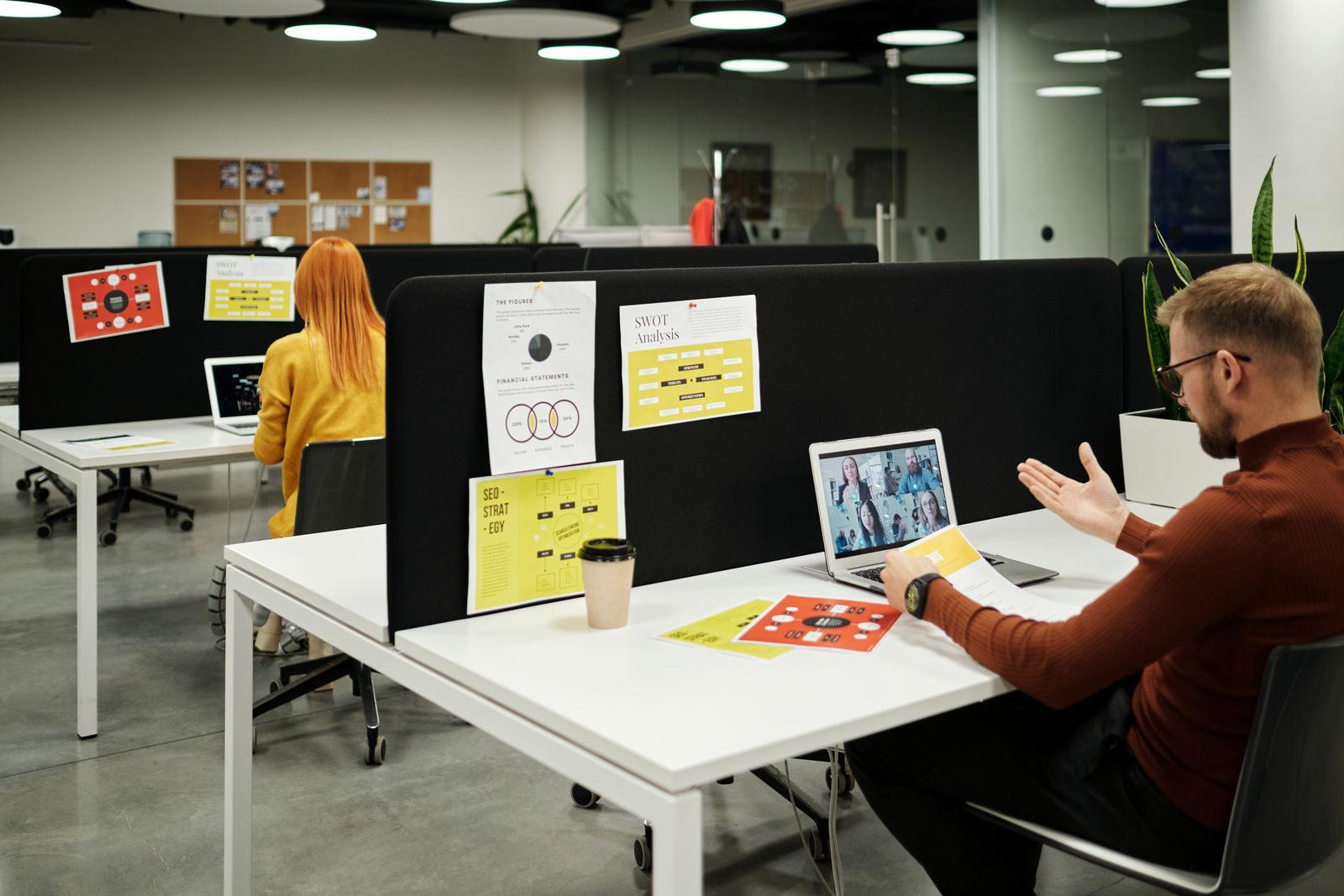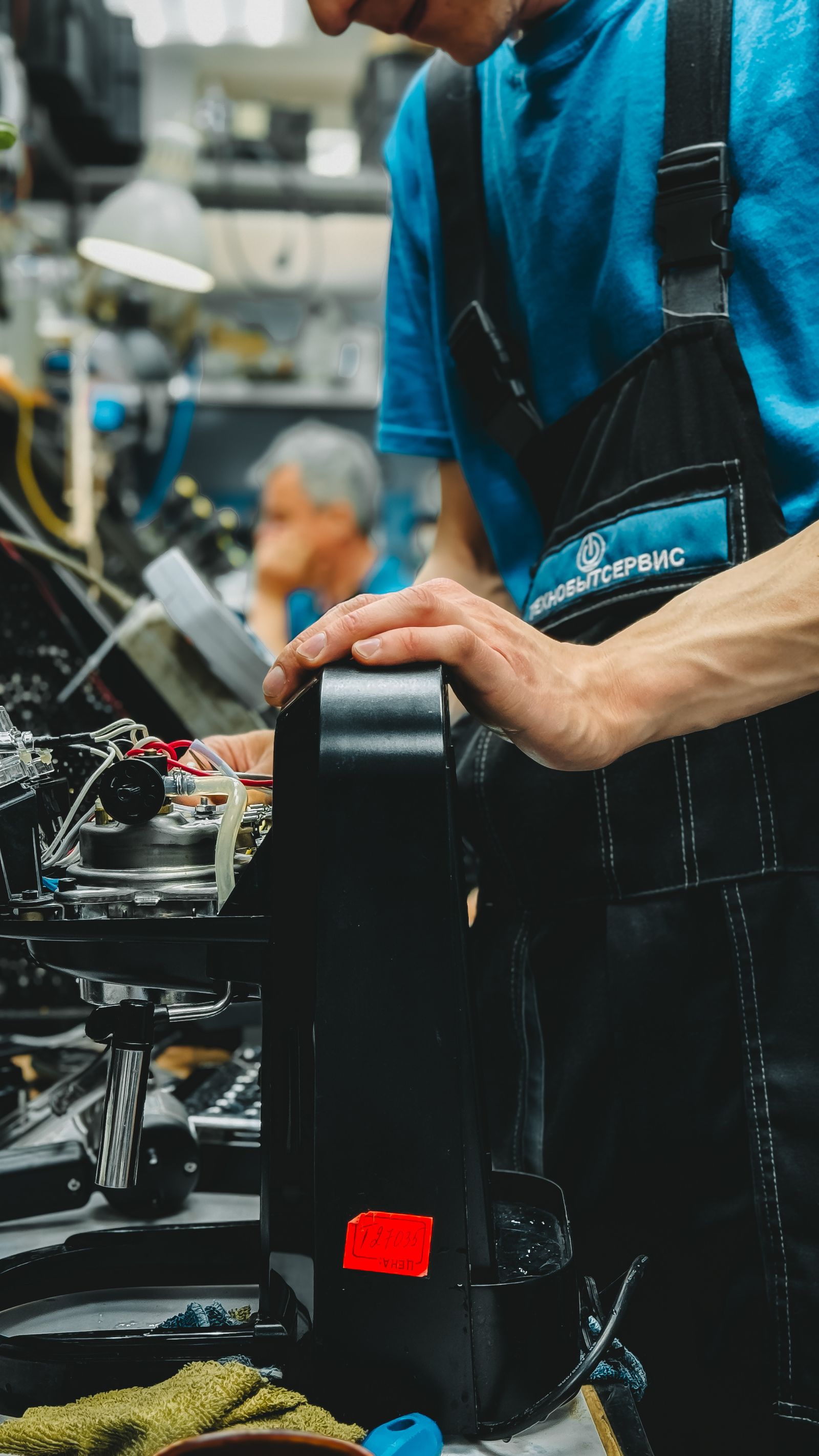
Every office pantry has one asset that gets touched more often than any door handle, keyboard or lift button in the building: the coffee machine. Right behind it sits the water dispenser. Between them they handle drinking water and hot beverages for the entire floor, several times a day, every working day — and in most UAE offices nobody can tell you when either was last serviced, sanitised or filter-changed.
That gap is not a facilities-management footnote. Unmaintained pantry equipment produces bad coffee, unplanned downtime, avoidable replacement capex and — in the case of water dispensers and ice machines — a genuine hygiene exposure. This guide sets out what actually needs servicing in a UAE office pantry, how often, who should be contractually responsible, and what it costs.
Why UAE conditions make this harder than the manual assumes
Manufacturer service intervals are written for temperate, moderately soft water. Two local realities shift them.
Water hardness and mineral load. Most UAE municipal supply is desalinated water that has been remineralised and blended, and it typically reaches offices with meaningfully higher mineral content than a European tap. Scale therefore builds faster inside boilers, group heads and heating elements. A machine on a manufacturer's "descale every 3 months" schedule in Europe can need it materially sooner here — and scale is cumulative, so a missed cycle does not simply delay the problem, it compounds it.
Ambient heat and humidity. For seven months of the year, anything with a compressor — fridges, ice makers, under-counter chillers — runs harder than its rating assumes, particularly where a pantry sits against an external wall or an unventilated cupboard. Condenser coils clog with dust faster, and a clogged condenser is the single most common cause of a "the fridge stopped getting cold" call in August.
The practical consequence: treat the manufacturer's interval as a ceiling, not a target. If the manual says quarterly, plan for it and check the machine's own scale indicator monthly rather than waiting for the calendar.
The five assets that actually need a schedule
Most pantries contain the same short list. Everything else is a plug-and-forget appliance.
| Asset | What fails without maintenance | Realistic interval |
|---|---|---|
| Bean-to-cup / espresso machine | Scale in the boiler, blocked group head, rancid milk residue in the frother | Daily rinse, weekly deep clean, descale per water hardness, technician service 1–2×/year |
| Plumbed water dispenser / POU cooler | Biofilm in the tank and taps, exhausted filter, off-taste | Sanitisation every 6 months, filter change per manufacturer or by litres passed |
| Bottled water cooler | Biofilm at the neck and in the reservoir, drip-tray contamination | Sanitisation every 6 months, tray cleaned weekly |
| Ice machine | Scale on the evaporator, biofilm in the bin — the highest-risk unit in most pantries | Deep clean and sanitise quarterly at minimum |
| Fridge / under-counter chiller | Clogged condenser, failed door seal, drain blockage | Coil clean twice a year, seal check quarterly, temperature log ongoing |
If you only ever act on one line of that table, make it the ice machine. It is the asset most often installed, forgotten, and never opened again — and it produces something people put directly into their drinks.
Coffee machines: rinse, clean, descale are three different things
These get conflated constantly, and only one of them is usually happening.
- Rinsing flushes the group head and milk circuit with water. It runs daily, often automatically at start-up and shutdown. It removes nothing that has already hardened.
- Cleaning uses a detergent tablet or milk-circuit cleaner to strip coffee oils and milk protein. Weekly at minimum on a shared office machine; daily on the milk circuit if the machine is heavily used. Skipping this is what makes coffee taste bitter or "off" long before anything breaks.
- Descaling uses an acid solution to dissolve mineral scale from the boiler and water path. This is the one people skip, and it is the one that kills machines — a scaled heating element runs hotter, draws more power, under-extracts, and eventually fails outright.
A machine that is rinsed daily but never descaled will still die early. If your office runs a serious setup, our office coffee machine guide and the espresso machine comparison for Dubai offices cover which machines tolerate real office volume in the first place.
Water dispensers: sanitisation is not the same as changing the bottle
A plumbed point-of-use dispenser has a filter and an internal reservoir. A bottled cooler has a reservoir and a neck receiver. In both cases the risk is the same: standing water at ambient-to-warm temperature in a dark plastic tank is an excellent environment for biofilm, and no amount of wiping the outside touches it.
Sanitisation means a technician draining the unit, chemically sanitising the internal tank and lines, cleaning or replacing the taps and drip tray, and flushing. Six-monthly is the widely used commercial interval; quarterly is appropriate for high-traffic units or where the pantry sits in a warm, unventilated space.
Filter replacement on a POU unit is a separate job on its own clock — usually specified either as an interval (6 or 12 months) or as a volume of water passed. In an office of 60+ people the volume threshold nearly always arrives before the calendar one. Ask your provider which basis they are using and get the replacement logged.
If you are still deciding between plumbed and bottled, the trade-offs — including these servicing obligations — are in our water cooler vs bottled water comparison.
Who owns maintenance? Get this in writing before the machine arrives
This is where most offices lose money, and it is entirely avoidable. There are four common arrangements, and they allocate risk very differently.
| Arrangement | Who services it | Who pays for parts | Typical catch |
|---|---|---|---|
| Owned outright, no contract | Nobody, until it breaks | You | Reactive call-outs at premium rates; no spare-part guarantee |
| Owned + annual maintenance contract (AMC) | Contracted provider | Usually included to a cap | Check what is excluded — descaling and consumables often are |
| Rented / leased from supplier | Supplier | Supplier | Verify response times; "included" servicing with a 5-day SLA is not included servicing |
| "Free" machine on a consumables commitment | Supplier | Supplier | The machine is financed through your coffee price — and servicing quality tracks how much margin is left in it |
The fourth is the most common offer in the UAE market and the least understood. It can be a perfectly good deal, but the servicing standard has to be written down, because there is no separate line item creating an obligation. Our rental vs buying analysis works through the economics of each structure.
Four clauses worth insisting on, whichever arrangement you choose:
- A named response time for a total failure — the machine is down, nobody has coffee. Next business day is a reasonable ask in Dubai and Abu Dhabi; anything vaguer than "within X business hours" is unenforceable.
- A stated preventive schedule with dates, not "as required". Preventive visits that are scheduled happen; preventive visits that are triggered by judgement do not.
- Explicit scope on consumables — filters, descaler, cleaning tablets, milk-circuit cleaner. State whether they are included, and who physically replaces them.
- A loan unit or agreed remedy if downtime exceeds the SLA. Without it, a "next business day" commitment has no teeth. Our pantry SLA template has model wording you can lift for all four.
A maintenance calendar you can actually run
Facilities teams do not need a maintenance management system for five assets. They need a recurring calendar entry and a log.
Daily (office team, 2 minutes) Run the coffee machine's rinse cycle at start and end of day. Empty and rinse the drip trays. Wipe the dispenser taps.
Weekly (office team, 15 minutes) Detergent clean on the coffee machine's brew circuit. Milk-circuit cleaner if you serve milk drinks. Clean the water dispenser drip tray properly. Check the fridge is holding temperature and log it.
Monthly (facilities, 20 minutes) Check the coffee machine's scale/service indicator. Inspect fridge door seals. Check the ice machine bin for any visible slime or scale — if you see it, escalate rather than wiping it.
Quarterly (technician or trained staff) Descale the coffee machine, or sooner if the indicator calls for it. Deep clean and sanitise the ice machine. Clean the fridge condenser coils before summer.
Every six months (technician) Sanitise water dispensers internally. Replace POU filters if due by interval or volume. Full coffee machine service — gaskets, seals, group head, calibration.
Annually (procurement) Review the maintenance record against the contract. Did the preventive visits actually happen? How many reactive call-outs, and why? Feed the answer into your next pantry audit — repeated reactive call-outs on the same unit are usually an equipment-selection problem, not a servicing one.
Keep the log somewhere the whole facilities team can see. A shared sheet with asset, date, action, and who did it is enough — and it is the only thing that will let you answer a hygiene question honestly six months from now.
Hygiene, food safety and inspection readiness
Office pantries are not licensed food establishments, so they do not carry a restaurant's inspection regime. But if your organisation holds a food-safety or facilities certification, or if you serve clients from the pantry, the equipment is squarely in scope of your own internal standards — and increasingly of client audits in regulated sectors.
The practical points that come up:
- Temperature control. Fridges holding perishables need to be logged, not assumed. A door left ajar overnight is a discard, not a judgement call.
- The ice machine is food equipment. Ice is a consumed product. It should be handled with a dedicated scoop stored outside the bin — not a cup, and not hands.
- Documented sanitisation for water equipment. If someone asks when the dispensers were last sanitised, a date and an invoice is an answer; "regularly" is not.
- Cleaning chemicals stored separately from consumables, and never decanted into unlabelled bottles.
Our guide to food safety rules for UAE office pantries covers the storage and handling side, and pantry hygiene and safety practices covers the day-to-day routines.
What it costs — and what neglect costs
Maintenance reads as a cost line until you price the alternative.
Planned maintenance on a typical office setup is a predictable annual figure: one or two coffee machine services, two dispenser sanitisations, filters, and consumables. Whether it appears as an AMC, is bundled into a rental, or is absorbed into your coffee pricing, it is a known number you can budget.
Unplanned failure costs three things at once. The emergency call-out is charged at a premium. The asset's life shortens — a scaled boiler or a burnt-out compressor is often a replacement rather than a repair, which turns an operating cost into capex. And there is the productivity cost of a floor with no coffee for a week, which is real even though nobody puts it on a spreadsheet.
The comparison that matters is not "service cost vs zero". It is planned service cost vs (emergency call-outs + shortened asset life + downtime) — and on that basis planned maintenance wins comfortably on any asset you intend to keep for more than a year. If you are building this into a per-head budget, our cost per employee guide shows where equipment servicing sits relative to consumables.
Key takeaways
- UAE water and heat compress every service interval. Treat manufacturer schedules as ceilings and check indicators monthly.
- Rinsing, cleaning and descaling are three separate jobs. Most offices do the first and skip the third — which is the one that kills machines.
- Water dispensers need internal sanitisation every six months, and POU filters usually hit their volume threshold before their calendar date.
- The ice machine is the highest-risk, least-inspected unit in most pantries. Quarterly deep clean, dedicated scoop.
- Put maintenance in the contract: response time, preventive dates, consumables scope, and a remedy for extended downtime.
- Log everything. A shared sheet with asset, date and action is the difference between a defensible answer and a guess.
Much of the maintenance burden is decided at fit-out: dedicated circuits, a plumbed water connection and enough clearance to service a machine in place. Our office pantry and breakroom design guide covers those specifications before they are frozen.
Frequently asked questions
How often should an office coffee machine be descaled in the UAE? More often than the manual assumes. UAE water carries a higher mineral load than the temperate-climate supply most service intervals are written for, so scale builds faster. Plan for quarterly descaling on a shared office machine and act sooner if the machine's own scale indicator calls for it — checking that indicator monthly is more reliable than following the calendar.
How often do office water dispensers need to be sanitised? Every six months is the widely used commercial interval for both plumbed point-of-use units and bottled coolers, dropping to quarterly for high-traffic dispensers or units in warm, unventilated spaces. Sanitisation means draining and chemically treating the internal tank and lines — wiping the exterior or changing the bottle does nothing to the biofilm risk inside.
Is pantry equipment maintenance included when a supplier provides the machine free? Not automatically, and this is the most common gap in UAE pantry contracts. A "free" machine is financed through your consumables pricing, and unless the agreement states a preventive schedule, a response time and who supplies filters and descaler, there is no separate line item creating that obligation. Get all four written into the supply agreement or SLA before the machine is installed.
What response time should an office pantry maintenance SLA specify? For a total failure — the machine is down and nobody can use it — next business day is a reasonable expectation in Dubai and Abu Dhabi. Insist on a stated number of business hours rather than "promptly" or "as required", and pair it with a remedy such as a loan unit if the window is missed, otherwise the commitment is unenforceable.
Which pantry equipment carries the highest hygiene risk? The ice machine. It is food equipment producing something consumed directly, it sits in a dark, damp enclosure ideal for biofilm, and it is the unit most often installed and then never opened again. Deep clean and sanitise it quarterly at minimum, and store the scoop outside the bin.
Who should be responsible for daily pantry equipment cleaning? Split it by skill. Daily rinses, drip trays and weekly detergent cleaning sit with the office or cleaning team and take minutes. Descaling, internal sanitisation, filter replacement and any work behind a panel belong to a technician — either your supplier's or a contracted provider. Trying to push technical work onto office staff is how machines get damaged and warranties get voided.
Descaler and machine cleaning tablets sit inside a wider consumables category most offices never cost properly; the cleaning supplies and washroom consumables guide covers sizing and buying the rest of it.
Ice machines are the pantry appliance most often installed and then never serviced, and they are the constraint that quietly decides whether cold service works at all; the cold drinks and iced coffee guide covers sizing ice and refrigeration against the midday peak rather than the daily average.
Keep your pantry equipment running
MHO supplies UAE offices with pantry consumables and the equipment that dispenses them — with servicing scope agreed up front rather than discovered when something breaks. If you are reviewing an existing setup or specifying a new one, talk to our team about what your equipment should cost to run over a full year, not just to install.