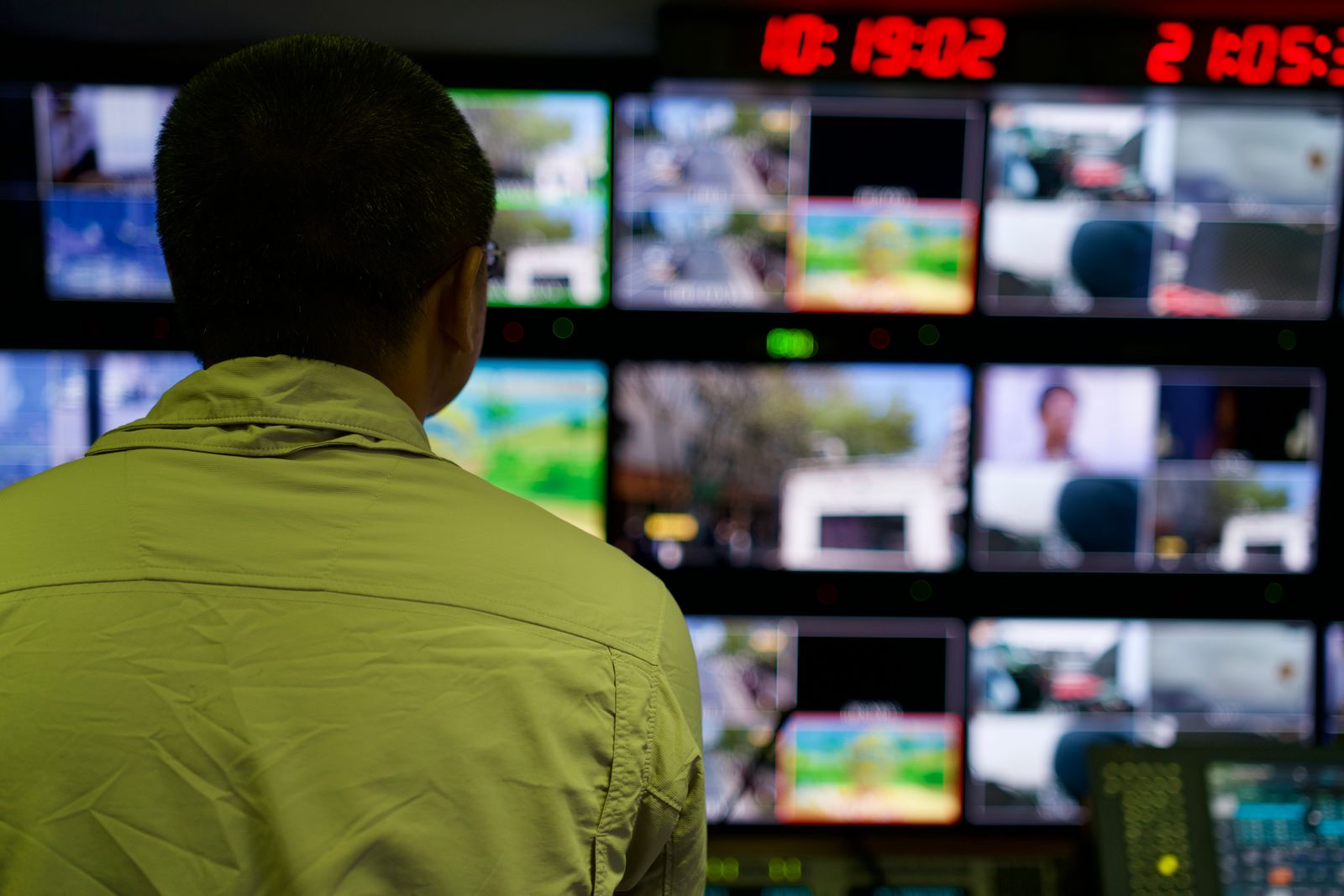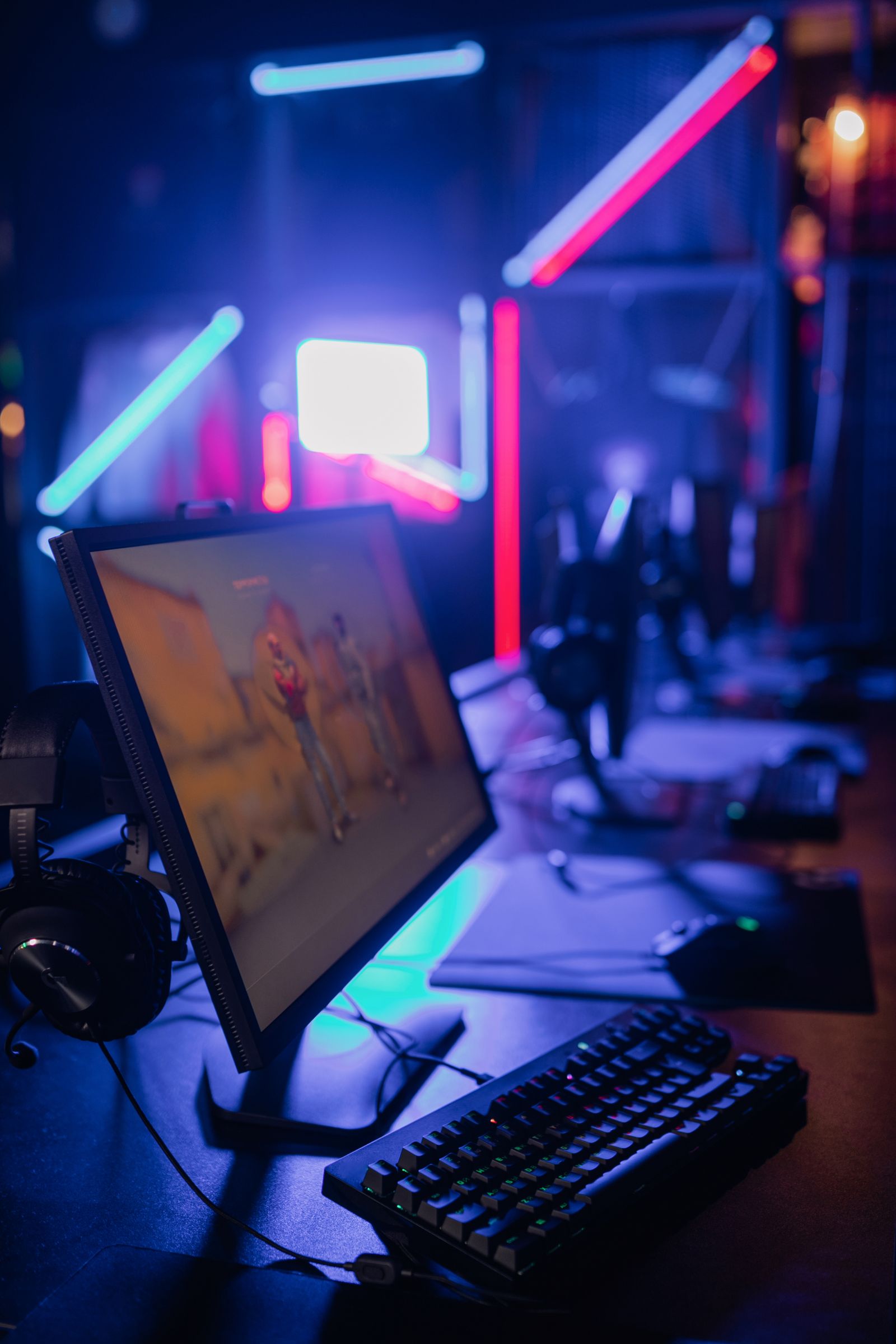
Most office pantry advice assumes the building empties at six. A game studio, an esports organisation or a post-production house does the opposite. The animators and engineers arrive late and leave later, the colourist's suite is booked until midnight before a delivery, the render farm runs through the night with someone watching it, and a launch week or a tournament turns a normal month into a sprint. Dubai's gaming programme and Abu Dhabi's media and gaming zones have pulled dozens of these teams into Dubai Media City, Dubai Internet City, Dubai Design District and twofour54, and their pantries are usually stocked as if they were accounting firms.
This guide is for studio managers, operations leads and office managers at game developers, esports teams, VFX and post-production houses and animation studios in the UAE. It covers the evening baseline, the crunch kit, what competitive players actually need, the rules for food near expensive equipment, and how to keep spend level when workload is not. For agencies working to a pitch rather than a build, the creative agency deadline pantry guide is the companion piece, and the media and creative agencies industry page covers the sector.
The clock is different, so the baseline is different
A conventional pantry is stocked for a 9am coffee rush and a 1pm lunch. A studio's rush is at 4pm, when the day team is tiring and the evening team is arriving, and again around 9pm. Three adjustments follow:
- Shift the fresh deliveries later. Fruit and chilled items that arrive at 8am for a team that walks in at 11am have lost a third of their day. Ask for a late-morning slot.
- Stock for the second lunch. Someone who starts at midday eats dinner at the desk. A shelf of proper ready meals, instant soups and wraps matters more here than in any other office type; the desk lunch guide covers what holds up.
- Make the evening coffee as good as the morning one. Bean-to-cup, not a jar of instant that appears after the barista-quality machine is "cleaned for the night". The coffee and coffee machines range and the cold drinks and iced coffee guide cover the hot and cold ends; in summer the cold end wins.
The 24/7 and shift-work pantry guide has the general pattern for a workplace that never fully closes; a studio is the creative version of it.
Energy drinks are not a plan
Every studio has the fridge full of energy drinks, and every studio manager knows the 2am crash that follows. Keep them if the team wants them, but make them one option among several rather than the default:
- Caffeine with a ceiling. Good coffee, cold brew and strong tea deliver caffeine without the sugar load. A visible karak and tea station gets used more than people expect.
- Electrolytes without the sugar. Coconut water and low-sugar electrolyte drinks keep people hydrated through a long night in a cold, dry studio. See the electrolyte drinks guide.
- Slow fuel. Nuts, dates, oat bars and fruit beat sweets for a sustained evening. The nuts and seeds, dried fruits and low-sugar treats ranges are the shelf to build; the protein snacks guide covers the heavier options.
- Water everywhere. Not one cooler by the kitchen, but bottles or a dispenser within reach of every pod. Studios are kept cold for the hardware and people forget to drink.
The crunch kit
Launch month, a publisher milestone, a festival delivery or a tournament week is predictable. Treat it like the deadline kit a creative agency keeps and order it as a separate, named standing order that the studio manager switches on for the weeks it is needed:
- Double the evening meals and add breakfast items for the people who end up sleeping at the office or arriving at 7am after a 2am finish. The breakfast cereals, oats and granola guide covers the easy shelf.
- Chilled, grab-and-go protein. Yogurt, cheese portions, hummus and crudités for people who will not stop for a meal; the chilled snacks guide explains the fridge side.
- A late-night hot option. Soups and noodle pots with a boiling water tap, so nobody orders a greasy delivery at 1am and regrets it at 3am.
- More fruit than usual. It is the one thing people reach for at midnight that they feel good about afterwards; see the fruit range.
- Hygiene for a room that is lived in. Wipes, sanitiser, extra bin liners and a cleaner who comes in the morning. The office hygiene range has the basics.
The hackathon and sprint week catering guide describes the same pattern for software teams; the studio version simply runs for longer.
Players are athletes, treat the pantry that way
An esports organisation with a players' house or a training facility has a different problem from a game studio: the players are competing, and what they eat affects reaction time and focus. Most professional teams now have a nutritionist or at least a view on it, and the pantry should follow that view rather than the players' snack preferences:
- Scheduled meals, not grazing. Breakfast, lunch and dinner at set times around practice blocks, with the pantry filling the gaps rather than replacing meals.
- Low-sugar, high-protein snacks between scrims. Nuts, Greek yogurt, protein shakes, fruit; the protein shakes guide covers the drinks.
- Hydration as a rule. Water at every station, electrolytes during long blocks, caffeine managed rather than unlimited.
- Match-day kit. On a tournament day, a labelled box per player with water, fruit, a bar and whatever the nutritionist has specified, so nobody is hunting for food between rounds.
Treat the facility like a training centre rather than an office and the pantry falls into place. The Dubai Fitness Challenge pantry guide has the general wellness angle.
Food near the hardware
Edit suites, grading rooms, sound stages and server rooms hold equipment worth more than the rest of the office combined, and a spilt drink on a mixing desk is a very expensive accident. The rules most studios land on:
- Lidded cups and bottles only in suites and at workstations; open mugs stay in the kitchen.
- No food in the grading or sound rooms. A client sitting through a nine-hour grade is served in the adjoining lounge, not at the desk.
- A real break area. If the only comfortable place to sit is the sofa in the suite, people will eat on the sofa in the suite. A proper kitchen with a table, a fridge that is cleaned and a good chair or two moves the food out of the technical rooms. The kitchen and pantry etiquette guide has a template for the house rules.
- Client hospitality in the lounge. For the client-facing side of a post house, the studio green room guide covers the green room and the design studio client hospitality guide covers the showroom version.
Keeping costs level when workload is not
A studio's spend is lumpy: quiet pre-production months, then a launch. Finance teams dislike lumpy. Two things flatten it:
- A baseline standing order sized to the everyday headcount and evening pattern, reviewed quarterly, and a named crunch order that is switched on and off. The two together give a predictable monthly figure with a known, pre-approved uplift. The budget template and the cost per employee benchmarks help set both.
- One supplier and one invoice. Studios tend to accumulate a snack subscription, a water contract, a coffee lease and a card used for late-night deliveries. Consolidating them is less work and makes the crunch uplift visible instead of hidden in expenses. The supplier consolidation guide explains how.
Studios that are also startups, growing from eight people to forty on a funding round, should read the tech company and startup pantry guide for the scaling side and the tech companies industry page.
Where we deliver
My Healthy Office delivers to studios across Dubai, including Dubai Media City, Dubai Internet City, Dubai Design District, Al Quoz and Dubai Knowledge Park, and across Abu Dhabi, including Yas Island. Late-morning delivery slots suit studio hours; for multi-tenant towers, see the high-rise delivery guide.
The short version
- Stock for a 4pm and 9pm rush, not a 9am one. Shift fresh deliveries later and stock a real second lunch.
- Make energy drinks one option, not the default: good coffee, electrolytes, nuts, fruit and water at every pod.
- Keep a named crunch order to switch on for launch and tournament weeks.
- Treat an esports facility like a training centre: scheduled meals, low-sugar snacks, match-day boxes.
- Lidded cups only near the hardware; give people a real kitchen so food leaves the suites.
- A baseline order plus a crunch order, from one supplier, keeps finance happy.
Frequently Asked Questions
What should a game studio pantry stock for late-night work? Good coffee that stays good in the evening, cold brew and tea, low-sugar electrolyte drinks and water at every pod, nuts, dates, oat bars and fruit for slow fuel, and proper ready meals and soups for people eating dinner at the desk. Energy drinks can be available but should not be the default.
How do we feed the team during launch crunch without ordering takeaway every night? Set up a named crunch standing order you switch on for the weeks it is needed: double the evening meals, add breakfast items, chilled grab-and-go protein, a hot late-night option such as soups with a boiling water tap, more fruit and extra hygiene supplies.
What should esports players eat between practice blocks? Follow the team's nutritionist. In general: scheduled meals around practice, low-sugar high-protein snacks such as nuts, Greek yogurt, protein shakes and fruit between scrims, water at every station, managed caffeine, and a labelled match-day box per player.
How do we stop food and drink damaging equipment in edit suites? Allow only lidded cups and bottles at workstations, ban food in grading and sound rooms, serve clients in an adjoining lounge, and give the team a proper kitchen with seating so eating moves out of the technical rooms.
How can a studio keep pantry costs predictable when workload changes? Run a baseline standing order sized to everyday headcount and a separate, pre-approved crunch order that is switched on and off, both from one supplier on one invoice, so the monthly figure is predictable and the uplift is visible.
Do you deliver to Dubai Media City and twofour54 studios? My Healthy Office delivers across Dubai, including Dubai Media City, Dubai Internet City and Dubai Design District, and across Abu Dhabi, including Yas Island, with late-morning slots that suit studio hours.