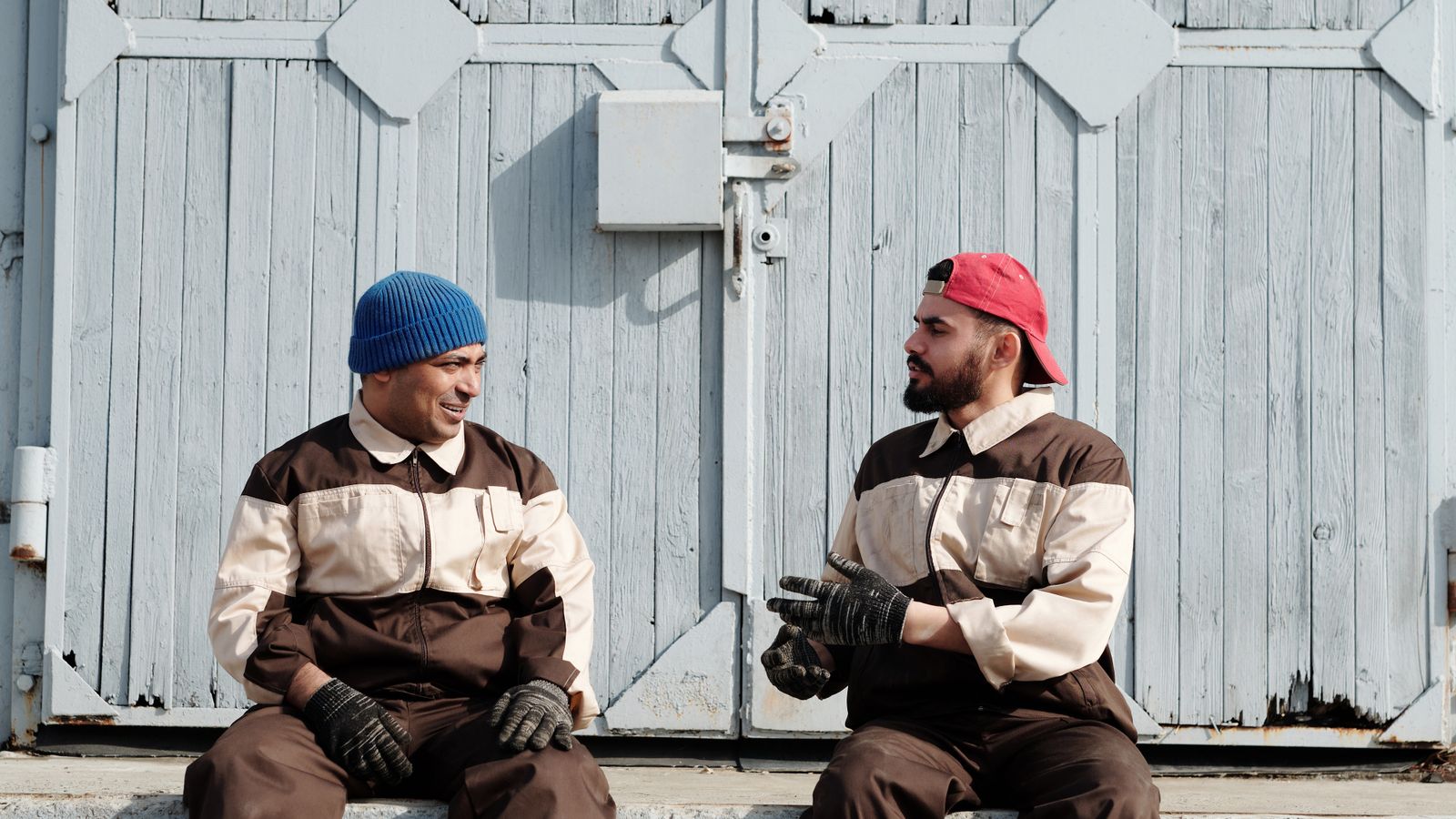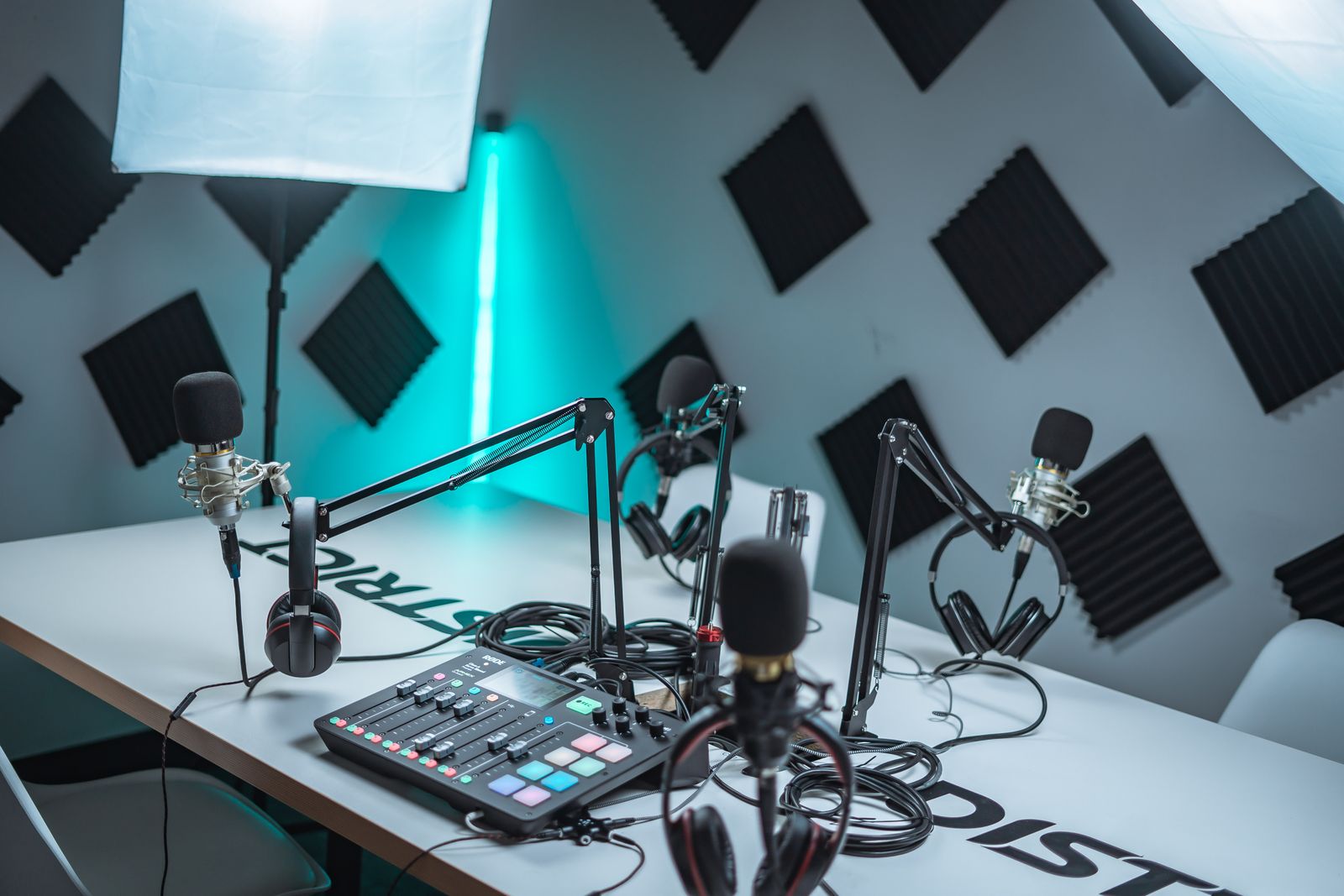
A studio has two kinds of hungry people. The guests, who arrive early, wait in the green room and need to feel looked after in the twenty minutes before they go on. And the crew, who are on their feet from the 07:00 call to the 19:00 wrap, eat when the schedule allows, and remember which studios feed them properly. The pantry serves both, in a building where a fridge compressor can be heard on a microphone and a crumb on a desk shows up in 4K.
This guide is for studio managers, producers, production coordinators and facilities teams at broadcasters, radio stations, podcast studios, post-production houses and production companies across the UAE. It covers the green room standard for guests, crew catering tied to the call sheet, what is allowed on set and in the live room, how to keep a pantry quiet, and what a shoot day costs. For the agency and office side of the industry, see the media and creative agencies pantry guide and the creative agency deadline guide.
The green room: the guest standard
The green room is a waiting room with a purpose: a guest who is calm, hydrated and not hungry gives a better interview. The standard should be written down and the same for a CEO and a student.
- Water first, at room temperature and chilled. Still water in glass bottles or a jug, chilled and room temperature, because cold water tightens the voice and many presenters and singers ask for it warm. Sparkling water for those who want it, kept away from anyone about to speak on air; the sparkling water guide explains the equipment.
- Hot drinks that do not stain. Tea, herbal tea and coffee, served in cups with lids if the guest is going into make-up. The herbal tea guide covers the calming options a nervous guest tends to take.
- Arabic coffee and dates. For a UAE studio hosting officials, executives or Emirati guests, Arabic coffee and dates are the expected welcome; the Arabic coffee and dates hospitality guide covers how to serve them.
- Light, quiet food. Fruit, nuts, biscuits and small pastries. Nothing that crunches loudly, smells, or leaves a residue on the hands before a handshake on camera.
- The small kit. Tissues, mints, lip balm, a mirror, phone chargers, a bin.
One person owns the green room on each production: usually a runner or a production assistant, who refreshes it between guests. Keep guest stock apart from crew stock, so the green room does not empty when the crew breaks.
Crew catering by call sheet
A shoot day runs on the call sheet, and so should the food. Build the catering into the schedule rather than around it.
| Call sheet line | What the pantry provides |
|---|---|
| Crew call (07:00) | Coffee, tea, water, fruit, a breakfast item: pastries, labneh and bread, cereals. The corporate breakfast guide covers quantities |
| Mid-morning break | Coffee top-up, snack bars, fruit |
| Lunch (fixed, 45 to 60 minutes) | A hot meal or a cold spread for the full headcount, with vegetarian, vegan and allergen-free options; a meat alternative main for the plant-based crew, see the meat alternatives guide |
| Afternoon break | Cold drinks, something sweet and something savoury |
| Overtime past 19:00 | A second meal, ordered at 16:00 by rule |
Three habits make this work:
- The coordinator orders from the call sheet. The headcount, the times and the dietary list are already on it. Order the day before, for the crew plus guests plus two.
- Count the talent and the client. The agency, the client's marketing team and the presenter's manager all eat.
- Keep a shelf-stable buffer. A shoot runs over. Instant soups, snack bars, nuts and water in a cupboard cover the two hours nobody planned; the instant soups and ready meals guide covers what to keep.
For a live daily show, the pattern is the same but repeats five days a week, which is when a managed pantry with a standing order beats a daily delivery app.
What is allowed on set
Every studio has a rule, and most of them are the same.
- Water only on set and in the live room, in a closed bottle with a sports cap. No glasses near the desk, no cans, nothing that can spill on a mixing desk.
- No food in the control room or near the equipment. Crumbs in a fader, a drink on a vision mixer; both have happened in every studio in the country.
- Hot drinks in lidded cups, and never on the desk during a live segment.
- Nothing that marks the set. Coffee rings on a white desk show on camera.
- A quiet break area away from the live room, with the fridge and the kettle, so the noise stays out of the microphones.
Put the rule on the studio door and give the runner the authority to enforce it with a producer behind them.
The quiet pantry
A pantry next to a live room is an acoustic problem before it is a catering one.
- Equipment noise. Fridge compressors, ice machines, bean-to-cup grinders and kettles all reach a sensitive microphone through a wall. Put the pantry two rooms away, choose quiet-rated equipment, and never run the grinder during a take. The espresso machine guide notes which machines are quieter.
- The ice machine. Useful for a green room and loud on a cycle; site it with the fridge, not the live room. The ice machines guide covers the options.
- Smell. A toaster or a microwave with yesterday's curry carries into a studio. Keep hot food to the break area and run the extraction.
- Hygiene around shared equipment. Microphones, headphones and desks are shared by crews and guests all day. Wipes and sanitiser at every pantry point, and a wipe-down routine between bookings; the hot-desking hygiene guide applies almost unchanged to a studio.
Studios for hire
Podcast studios and small production studios in the UAE increasingly rent by the hour, and the pantry is part of the listing. A client who books a two-hour podcast recording expects water, coffee and tea for their guests to be ready, included or clearly priced.
- Offer a standard hospitality pack per booking: water, coffee, tea, fruit and a snack for the number of people booked.
- Price it per head or include it in the hourly rate; either way, write it in the booking terms.
- Restock between bookings from a store the client does not see.
The coworking community events guide covers the same economics for a flex space, and the design studio and showroom hospitality guide covers client-facing studios that sell a visual product.
The budget per shoot day
A crew of 20 on a full shoot day, with breakfast, two breaks, lunch and the green room, costs in the order of AED 1,200 to 2,500 depending on whether lunch is a hot meal or a cold spread and how many guests the green room serves. Charge it to the production, not to overheads, with the job number on the order. The meeting room refreshments standard gives the per-head figures for the client-facing side, and the cost per employee benchmarks cover the everyday studio pantry for permanent staff.
Studios in the UAE
The industry sits in Dubai Media City and Dubai Studio City, with a growing cluster of podcast and content studios in Dubai Design District and Al Quoz, and the broadcasters and production houses of twofour54 in Abu Dhabi. Each has its own delivery arrangements, and a studio with a live schedule needs a delivery that never arrives during a take: agree a window and a drop point away from the live rooms. The Dubai Marina, JLT and Media City guide covers the district logistics.
My Healthy Office supplies media, broadcast and creative businesses across Dubai and Abu Dhabi with the green room standard, herbal teas and coffee, water in volume, crew snacks and plant-based lunch options, on a standing order for the daily show and a per-production order for the shoot day.
The short version
- Write the green room standard once: still water warm and chilled, lidded hot drinks, Arabic coffee and dates, quiet food, a small kit, one owner.
- Order crew catering from the call sheet the day before, for the crew plus guests plus two, with a shelf-stable buffer for overruns.
- Water only on set, in closed bottles; no food near the equipment; lidded cups.
- Put the noisy pantry two rooms from the live room and never grind during a take.
- Charge the shoot day to the production with the job number on the order.
Frequently Asked Questions
What should a studio green room offer guests? Still water at room temperature and chilled, sparkling water, tea, herbal tea and coffee in lidded cups, Arabic coffee and dates for UAE hospitality, fruit, nuts and light pastries, plus tissues, mints, a mirror and chargers. One runner owns it and refreshes it between guests.
How do we plan crew catering for a shoot day? Order from the call sheet the day before: breakfast at crew call, a mid-morning break, a fixed lunch for the full headcount with dietary options, an afternoon break, and a second meal ordered by 16:00 if the day runs past 19:00. Count the talent and the client, and keep a shelf-stable buffer.
What food and drink is allowed in a live studio? Water only, in a closed bottle with a sports cap. No food in the control room or near equipment, hot drinks in lidded cups away from the desk, and a quiet break area outside the live room for everything else.
How do we keep the pantry from being heard on the microphones? Site the pantry at least two rooms from the live room, choose quiet-rated fridges and coffee machines, keep the ice machine with the fridge, and never run a grinder or a kettle during a take.
Should a podcast studio for hire include refreshments? Yes, as a standard pack per booking: water, coffee, tea, fruit and a snack for the number of people booked, either included in the hourly rate or priced per head, written into the booking terms and restocked between sessions.
Does My Healthy Office deliver to studios in Dubai Media City and twofour54? Yes. We supply studios and production companies in Dubai Media City, Studio City, d3, Al Quoz and Abu Dhabi, with delivery windows and drop points agreed so nothing arrives during a take.