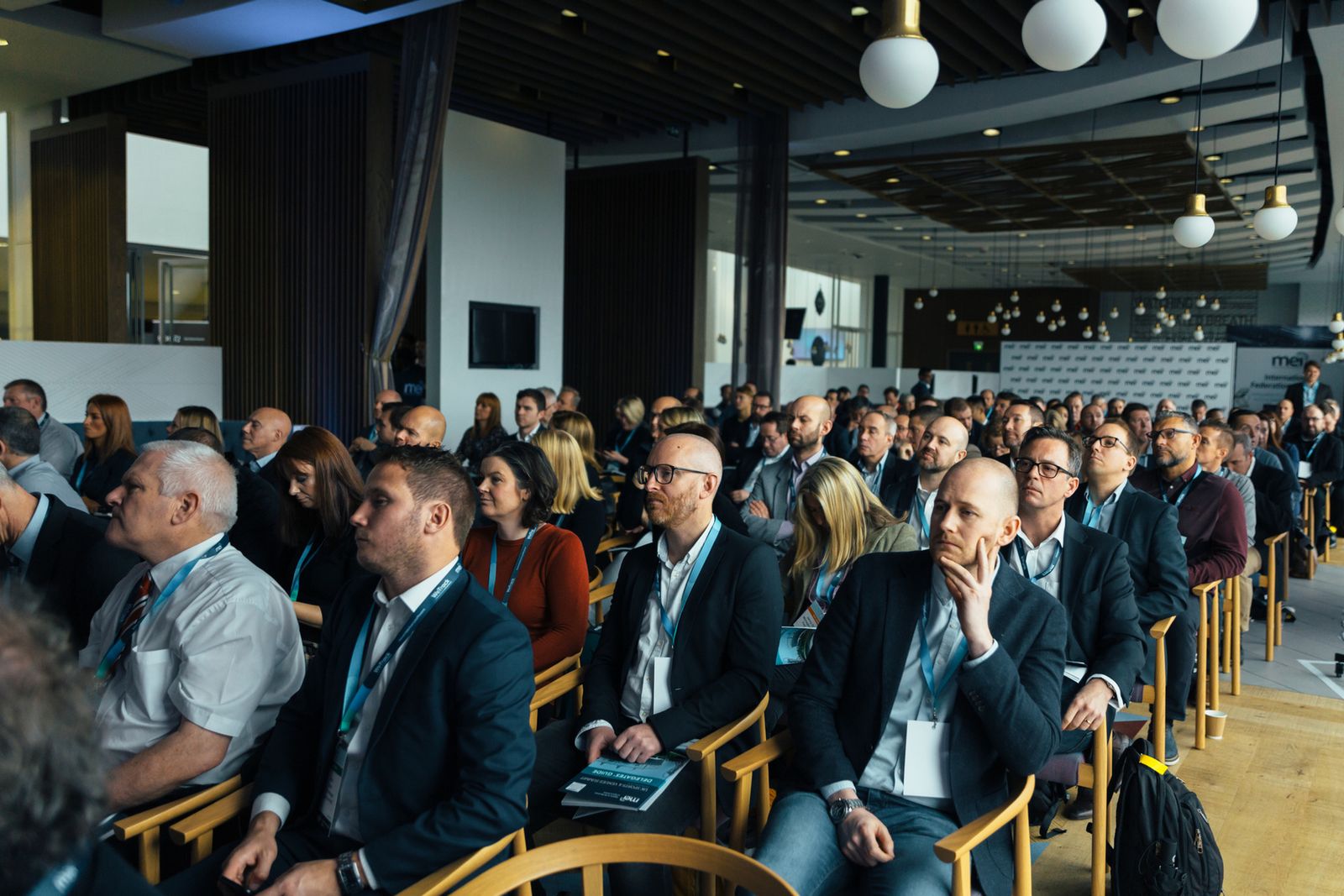
A coworking membership is sold on two things: a desk and a community. The desk is easy to deliver. The community is built one event at a time, and almost every one of those events involves food and drink. A Tuesday member breakfast, a lunch-and-learn with a partner, a Thursday networking evening, a tenant's product launch in the lounge: each is a small catering job that lands on a community manager who also has a tour at eleven and a broken printer on the third floor.
This guide is for operators, community managers and front-of-house teams running flex spaces in the UAE. It covers how to plan the hospitality side of a community calendar so that events feel generous, cost what you expected and do not empty the pantry the members pay for every day. For the everyday pantry itself, the coworking operator's guide covers coffee, communal demand and cost per desk.
Why community events are a pantry problem
In a single-tenant office, an event is an exception. In a coworking space, events are the product, and they share shelves, fridges and machines with the daily member offer. Three things go wrong when the two are not planned together:
- Events raid the daily stock. The networking evening uses the last of the oat milk and the morning members find an empty fridge.
- Quantities are guessed. RSVPs in a coworking space are soft; a 60-person sign-up can mean 35 or 90 people in the room.
- The cost is invisible. Event food is bought on the same account as the pantry, so nobody can say what the community programme actually costs per member.
The fix is one plan: an events calendar that the pantry order follows, with event stock kept apart from member stock.
Build the calendar first
Start with a monthly rhythm rather than ad hoc bookings. A typical UAE flex space runs four kinds of event, each with a different food profile:
| Event | Frequency | What people expect | Cost pressure |
|---|---|---|---|
| Member breakfast | Weekly, one anchor day | Coffee, fruit, pastries, yogurt | Low per head, high frequency |
| Lunch-and-learn | Fortnightly | A light lunch and water | Medium, often partner-sponsored |
| Networking evening | Monthly | Mocktails, canapés or snacks | Medium to high |
| Tenant launch or demo night | On request | Branded drinks, grazing table | Paid by the tenant |
Put the anchor breakfast on your busiest office day; the weekly team breakfast guide explains how to pick it and how much to serve per person. Place the networking evening on the same weekday every month so members plan around it. Keep launch nights as a paid add-on with a menu card, so the tenant chooses and pays rather than the community budget absorbing it.
Once the calendar exists, the pantry order can follow it: the weekly delivery carries the breakfast stock, the fortnightly one carries the lunch-and-learn water and snacks, and the monthly evening is a separate line.
Quantities when the headcount is a guess
Coworking RSVPs are unreliable, so plan to a range and buy in units that keep:
- Breakfast: plan for 60 to 70 percent of active members on site that day. One pastry or breakfast item, one piece of fruit and one hot drink per person covers it. Fruit and yogurt roll over into the daily offer if numbers are low.
- Lunch-and-learn: cater to the RSVP count minus 20 percent, plus a buffer of shelf-stable items (wraps that keep chilled a day, nuts, bars) rather than more hot food. The lunch-and-learn catering guide has per-head figures.
- Networking evening: budget 2.5 drinks and 5 to 6 bites per person for a two-hour window. Buy drinks in cans and small bottles, not opened cartons, so leftovers return to the member fridge.
- Launch nights: take a firm number from the tenant and charge for it.
The rule across all four: anything that is left over should be something members will happily drink or eat on Monday. That means choosing sparkling water, canned iced coffee, nuts, dried fruit and whole fruit over anything cut, dressed or warm.
Drinks: the alcohol-free evening done well
Most flex spaces in Dubai and Abu Dhabi hold evening events without alcohol, either by licence or by choice. Done badly, that means a table of lukewarm soft drinks. Done well, it is a point of pride:
- A mocktail base of sparkling water, fresh juice and fruit is cheap and looks generous. The alcohol-free drinks guide has combinations that work at scale.
- Canned iced coffee and cold brew suit a 6 pm start better than hot coffee.
- Kombucha and sparkling teas give members who want something adult-tasting a reason to stay.
- Keep still water in small bottles visible everywhere, not just at the bar.
The juices and waters range covers the base stock, and the coffee and coffee machines range covers the machine side if you want to run a short coffee service at an evening event.
Keep event stock apart from member stock
The cheapest operational fix is physical. Give events a shelf and a fridge drawer of their own, labelled, and order to them. Member stock stays untouched, and the community manager can see at a glance what the next event already has. After an event, leftovers move to member stock and are written down as a transfer, so the event's real cost is known.
Shared spaces also have a hygiene angle: a lounge that hosted 80 people the night before needs a wipe-down, bins emptied and fridge surfaces cleaned before members arrive. The shared-desk hygiene guide covers the routine.
Coffee for a crowd
A single bean-to-cup machine that serves 40 members through a morning cannot serve 60 people in the ten minutes after a talk. For breakfasts and lunch-and-learns, run a batch brewer or airpot alongside the machine, so the queue clears; the batch brew guide explains sizing. For evenings, cold drinks carry the load and the machine is a nice extra, not the bottleneck.
Budget per event, not per month
Work out a cost per head for each event type and track it:
- Breakfast: a modest per-head figure times attendance, weekly.
- Lunch-and-learn: a higher per-head figure, often offset by a partner contribution.
- Networking evening: the highest per-head figure, monthly.
- Launch night: fully recharged to the tenant, with a margin.
Adding those up gives the community programme's true cost per member per month, a number that belongs in the membership pricing conversation and in the renewal pitch. The cost per employee guide shows how to build the per-head figures from the delivery notes.
Where this matters most
Flex space in the UAE clusters where small companies and freelancers do: the towers of Dubai Marina and JLT, the exhibition-district offices around Dubai World Trade Centre where event teams and start-ups take short leases, and the converted warehouses of Al Quoz where creative coworking spaces hold the busiest evening calendars in the city. The Dubai Marina, JLT and Media City guide covers tower deliveries, which matter when 20 cases of drinks arrive for an evening event. My Healthy Office supplies coworking spaces across the UAE with the daily member pantry and the event stock on one account, with event lines itemised so the community budget is visible.
The short version
- Plan a monthly events calendar first and let the pantry order follow it.
- Plan quantities to a range, in units that roll back into member stock.
- Make the alcohol-free evening a feature: mocktail base, cold coffee, kombucha.
- Keep event stock on its own shelf and fridge drawer; transfer leftovers on paper.
- Add a batch brewer for post-talk coffee rushes.
- Track a cost per head per event type and roll it into membership pricing.
Frequently Asked Questions
How much food should a coworking space order for a member breakfast? Plan for 60 to 70 percent of the members expected on site that day, with one breakfast item, one piece of fruit and one hot drink per person. Choose fruit and yogurt that roll into the daily pantry if attendance is low.
What drinks work for an alcohol-free networking evening in Dubai? A mocktail base of sparkling water, fresh juice and fruit, plus canned iced coffee, kombucha and small bottles of still water. Budget about 2.5 drinks per person for a two-hour event.
How do we stop events using up the members' pantry stock? Give events their own labelled shelf and fridge drawer, order to them separately, and move leftovers back to member stock as a recorded transfer after each event.
Should the coworking space pay for tenant launch events? No. Offer a short menu card with per-head prices, take a firm headcount from the tenant and recharge the cost with a margin, so the community budget covers only community events.
Can My Healthy Office deliver both the daily pantry and event stock? Yes. Coworking operators run one account with recurring pantry deliveries and separate itemised event lines, delivered to towers in Dubai Marina, DWTC, Al Quoz and across the UAE.