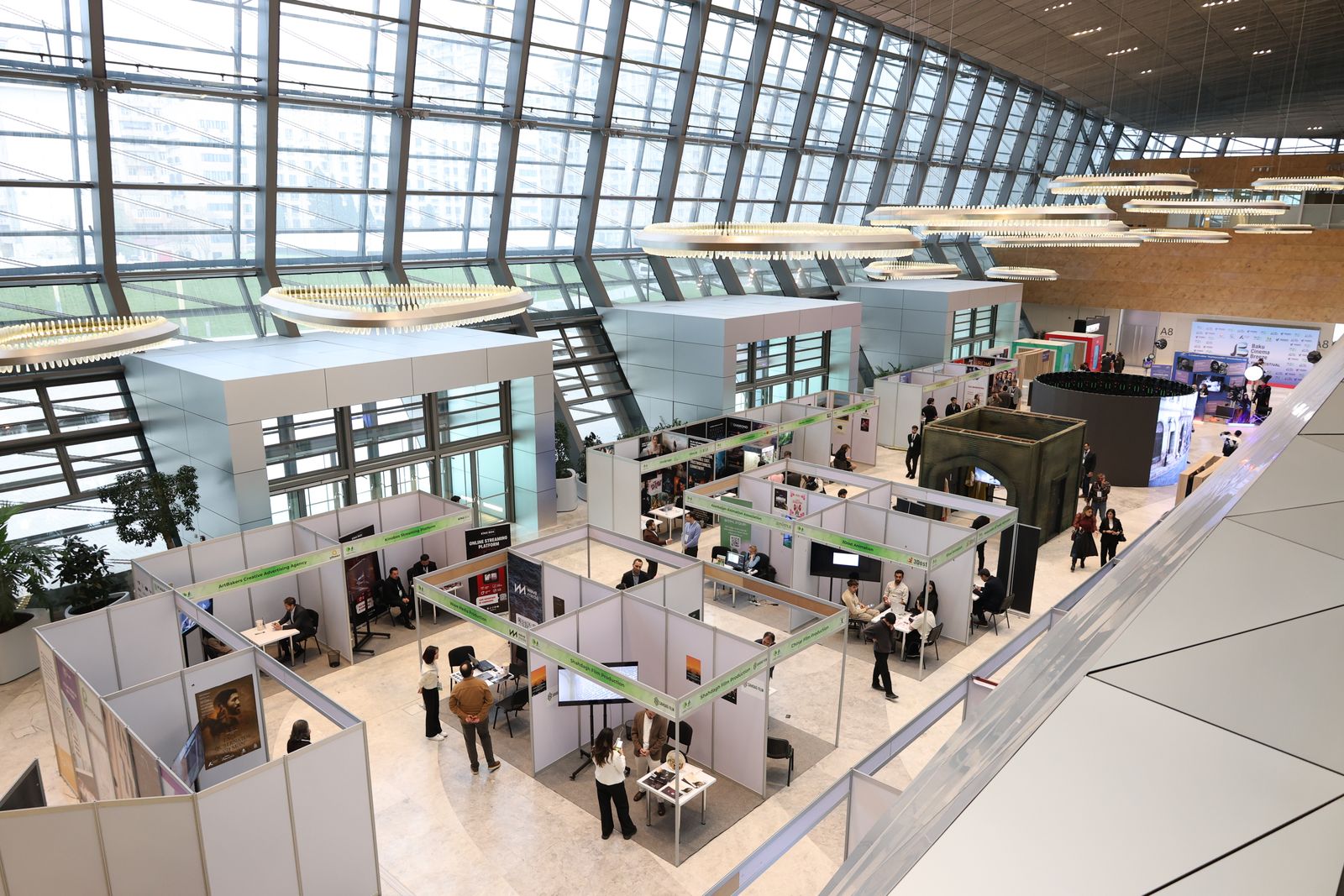
Almost every office pantry guide — including most of the ones on this blog — assumes a single-tenant corporate office: one company, a known headcount, a fixed desk map, and a facilities manager who can tell you almost to the person how many coffees get made in a day. A coworking space is none of those things. Membership churns week to week, day-pass visitors come and go, the "headcount" on any given Tuesday is a guess, and the pantry is not a staff perk tucked behind a door — it is on the tour, on the marketing photos, and on the list of reasons a member renews or leaves.
That changes the entire brief. In a corporate office the pantry supports the workforce; in a coworking space the pantry is part of the product. This guide is for the operators, community managers, and facilities teams running flex-space pantries across the UAE in 2026 — from the large branded networks to the boutique single-site spaces — and what a managed pantry service has to do differently to work on a coworking floor.
Why a coworking pantry is a different problem
The UAE has one of the densest flex-space markets in the region. Between the international networks, the free-zone-linked incubators like Dubai's in5 and the various DMCC and DIFC innovation hubs, homegrown brands such as Nook, Nasab, AstroLabs and A4 Space, and the serviced-office incumbents like Servcorp and Regus, most business districts in Dubai and Abu Dhabi now have multiple flex options within a few minutes of each other. When spaces compete that closely, the everyday experience — and the pantry is a daily, repeated part of it — becomes a genuine differentiator.
Four things make the coworking pantry structurally different from a corporate one:
- Consumption is communal and unmetered. There is no department to bill and often no clean way to know who consumed what. A single open coffee machine and fridge serve a rotating cast of members, hot-deskers, day-pass visitors, and meeting-room guests. Demand is a moving target, not a payroll number.
- The pantry is a revenue and retention lever, not a cost centre. Free-flow coffee and a well-stocked counter are things the sales team points at on a tour and things members cite when they renew. A pantry that runs empty or serves bad coffee actively costs memberships. This reframes the whole spend: it is marketing and retention budget, not just overhead.
- Demand is spiky and hard to forecast. Mondays and mid-mornings spike; a fully-booked event evening spikes harder; a quiet Friday barely registers. Without the predictability of a fixed staff roster, inventory planning has to absorb far more variance, which makes stockouts — the most visible pantry failure — much easier to hit.
- It is almost always multi-site. Even a two-location operator is running a multi-site pantry: consistent quality and brand experience across floors and buildings, from one supply relationship, is the baseline expectation rather than a stretch goal.
Get these wrong and the pantry quietly erodes the product. Get them right and it becomes one of the cheapest retention tools an operator has.
Coffee is the hero amenity
In a coworking space, coffee is not one amenity among many — it is the amenity. It is the single most-used item on the floor, the one members judge a space by within their first week, and the one whose absence or poor quality generates the most complaints. A serious flex operator should treat the coffee programme as a headline feature of the product, not a line item.
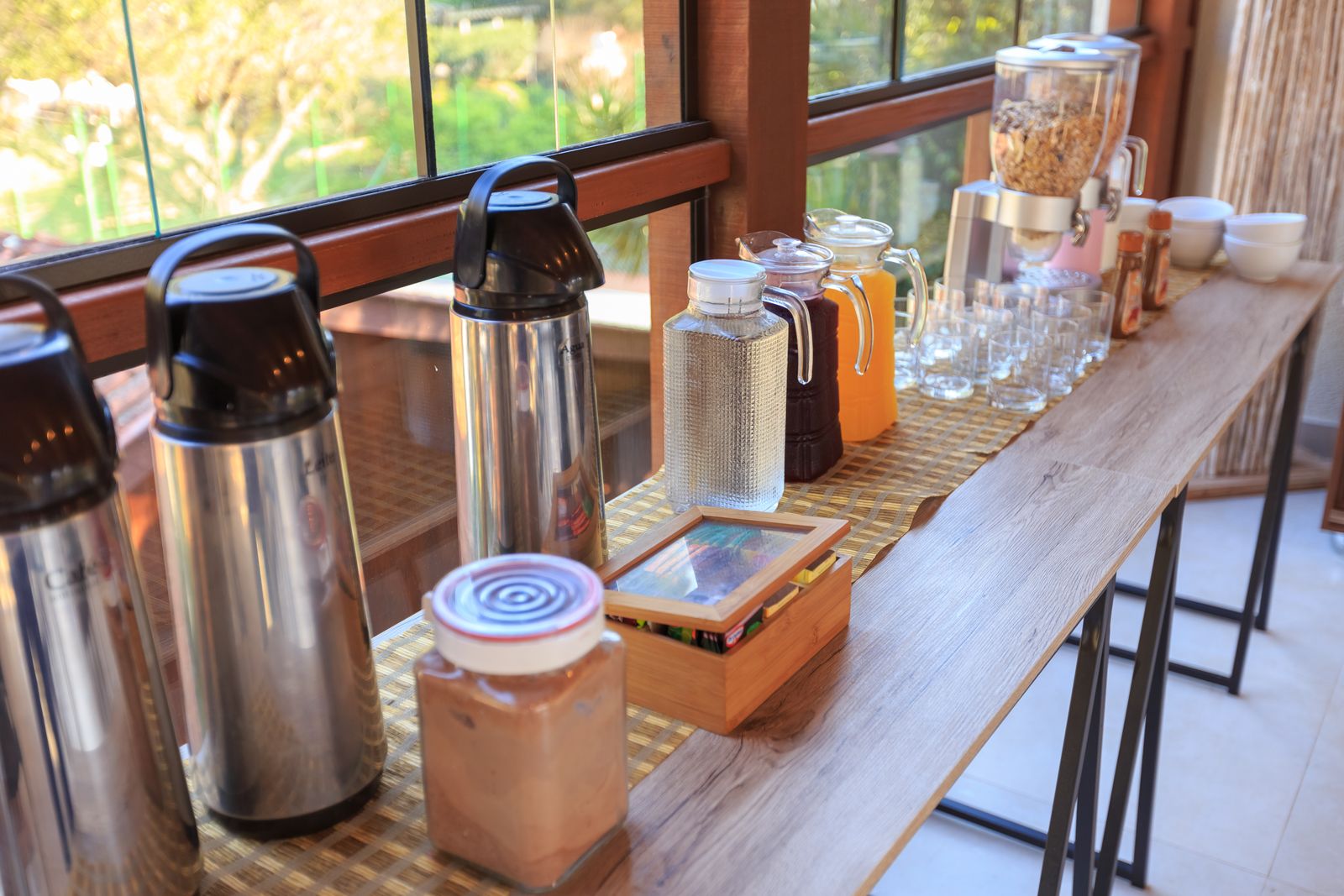
That has practical consequences. Machine capacity has to be sized for peak-hour throughput, not average consumption — a machine that copes with the daily average will still produce a queue at 9:30am, and a queue at the coffee machine is a bad first impression for a member on their trial week. For most spaces that means proper office coffee machines built for volume rather than a domestic pod machine, and a decision between renting or buying the equipment that accounts for the harder use a shared floor puts on a machine. A structured office coffee programme — reliable beans, milk (including plant-based options, which a diverse member base will expect), maintenance, and a clear restocking rhythm — is what keeps that hero amenity from becoming the hero complaint.
The maintenance point deserves emphasis. On a shared floor a coffee machine does the work of several corporate machines, so descaling, cleaning, and servicing that a single-tenant office might do quarterly needs to happen far more often. Build servicing into the pantry contract rather than waiting for a breakdown, because a dead coffee machine on a coworking floor is not a minor inconvenience — it is a visible product failure that every member on the floor experiences at once.
Included refreshments vs. paid micro-markets
The biggest structural decision for a coworking pantry is the commercial model: what is included in membership, and what members pay for. In practice most UAE operators run a blend of three approaches.
- Included as an amenity. Coffee, tea, and water are almost universally free-flow and baked into the membership price. This is the part that functions as marketing and retention, and it is where reliability matters most — an included amenity that runs out reads as a broken promise.
- Paid micro-market or honesty market. Snacks, cold drinks, and premium items are increasingly sold through a self-serve micro-market or smart fridge rather than given away. This lets an operator offer a much wider range without absorbing the cost, and it turns the pantry into a small ancillary revenue stream instead of pure spend.
- Event and meeting-room catering. Day-pass meeting-room bookings and member events are billable moments where B2B catering for meetings and boardroom-standard refreshments can be added to the booking rather than drawn from the communal pantry.
The right split depends on the space's positioning — a premium boutique space may include far more than a high-volume budget floor — but the principle holds everywhere: decide deliberately which items are amenity (reliability first, cost second) and which are ancillary revenue (range and margin first), and stock and bill them differently. Blurring the two is how operators either overspend on giveaways or frustrate members by charging for something that felt like it should be included.
Controlling cost when you cannot count heads
The corporate world budgets pantries on a clean cost-per-employee basis. A coworking operator has no equivalent fixed denominator — membership fluctuates, and a hot-desk member consumes differently from a private-office team. The workable substitute is a cost-per-active-desk or cost-per-member target, tracked monthly and reviewed against occupancy, rather than a per-headcount figure fixed once a year.
Because the communal, unmetered model removes the natural brake that departmental billing provides in a corporate office, cost control has to come from the supply side instead:
- Transparent, consumption-based pricing models so the operator can see exactly what is being spent as occupancy rises and falls, rather than a flat retainer that is either wasteful when quiet or short when busy.
- A budget framework built around occupancy bands, so the pantry spend flexes with the number of active members instead of being a fixed cost that hurts in a slow quarter.
- Supplier consolidation. Running coffee, water, snacks, and consumables across several sites through one managed relationship removes the overhead of juggling multiple vendors per location and gives an operator real negotiating leverage as they scale — one of the most effective ways to reduce pantry costs without cutting the member experience.
The goal is not to spend less on the pantry — in a coworking space that can be counter-productive, because the pantry is part of what members pay for. The goal is to make the spend predictable and proportional to occupancy, so it scales cleanly as the operator adds floors and locations.
Restocking a floor that never fully closes
Many UAE coworking spaces offer extended or 24/7 member access, and even those that don't run long, unpredictable days. That compresses the window for restocking, cleaning, and servicing. A pantry that a corporate office can replenish quietly at 8am before staff arrive has no such empty moment on a busy flex floor.
The practical answer is scheduled, reliable delivery and restocking timed to the space's actual rhythm — early mornings, quieter mid-afternoons, or whatever the occupancy pattern dictates — rather than ad-hoc drops whenever a shelf is spotted empty. The more variable the demand, the more a standing, right-sized order matters, because it is the standing order that prevents the stockouts variable demand would otherwise cause. A supplier who understands that a coworking floor is a live, member-facing environment will plan restocking to be invisible to members; one who treats it like a back-office delivery will restock a full counter in front of a room of working members at the worst possible time.
Hydration, snacks, and a member base that expects range
A coworking floor's membership is more diverse than a single company's staff — different industries, diets, budgets, and expectations sharing one pantry. That raises the bar on range. Hydration is non-negotiable in the UAE climate and one of the most-consumed included items, so water provision has to be generous and reliable through the summer. On the snack side, a good micro-market range that spans healthy options and protein-forward choices alongside familiar treats will serve a mixed member base far better than a narrow selection — and, because much of it sits on the paid side, breadth here adds revenue rather than cost.
Two UAE-specific compliance points carry over from any pantry operation and apply equally to a coworking one: excise tax on sweetened and energy drinks affects the pricing of anything sold through a paid micro-market, and VAT treatment of staff and member refreshments is worth getting right where the line between a free amenity and a sold item is deliberately blurred. A managed supplier who handles these correctly saves the operator's finance team a recurring headache.
Office pantry guides by industry: Banks & financial services · Construction & engineering · Consulting & advisory firms · Government & public sector · Healthcare, clinics & hospitals · Law firms & professional services · Logistics & freight · Manufacturing & industrial · Media & creative agencies · Oil, gas & energy · Pharmaceutical & life sciences · Real estate & property · Schools & universities · Tech companies & startups · Aviation & airport services · Retail & e-commerce
Frequently asked questions
Why can't a coworking space use a standard corporate pantry plan? Because four things are structurally different. Consumption is communal and unmetered, with no department to bill and no clean way to know who consumed what. The pantry is a revenue and retention lever rather than a cost centre — it is on the tour and in the renewal decision. Demand is spiky and hard to forecast without a fixed staff roster. And it is almost always multi-site, so consistency across floors and buildings is a baseline expectation.
How should a coworking operator size its coffee equipment? For peak-hour throughput, not average consumption. A machine that copes with the daily average will still produce a queue at 9:30am, and a queue at the coffee machine is a bad first impression for a member on their trial week. On a shared floor a machine does the work of several corporate machines, so descaling, cleaning and servicing need to happen far more often — build servicing into the contract rather than waiting for a breakdown.
What should be included in membership and what should members pay for? Most UAE operators blend three approaches. Coffee, tea and water are almost universally free-flow and baked into the membership price, and reliability matters most there because an included amenity that runs out reads as a broken promise. Snacks, cold drinks and premium items increasingly sell through a self-serve micro-market, which widens the range without absorbing the cost. Meeting-room and event catering is billed to the booking rather than drawn from the communal pantry.
How do you budget a pantry without a fixed headcount? Use a cost-per-active-desk or cost-per-member target, tracked monthly and reviewed against occupancy, instead of a per-headcount figure fixed once a year. Back it with transparent consumption-based pricing so spend is visible as occupancy rises and falls, a budget framework built around occupancy bands, and supplier consolidation across sites. The goal is not to spend less — it is to make the spend predictable and proportional to occupancy.
For the operator-side version of this — per-site consumption reporting, member-facing presentation and the billing split between house and tenant — see the office pantry service for coworking spaces.
The pantry as part of the product
The through-line of everything above is a single reframe: in a coworking space the pantry is not overhead to be minimised, it is a feature to be run well. It is on the tour, it is in the renewal decision, and — uniquely among office types — it is something the operator can point to as a reason to choose them over the flex space two floors down. That is why a coworking operator is better served by a managed pantry partner who treats the floor as a live, member-facing product than by a transactional supplier who drops boxes and leaves.
The operational demands are real: communal and unmetered consumption, spiky and unforecastable demand, a coffee programme that has to perform at peak, a deliberate split between included amenity and paid micro-market, cost control without a headcount to anchor it, and reliable multi-site restocking around a floor that rarely closes. None of these are unsolvable — but they are different enough from the corporate playbook that a coworking operator should plan the pantry as its own discipline. Done well, it is one of the cheapest and most visible ways to keep a flex space full.
Running a coworking or flex-space pantry in the UAE and want a supply model built around occupancy rather than headcount? My Healthy Office provides managed pantry, coffee, hydration, and micro-market solutions across multiple sites — get in touch to talk through your floor.