Most UAE office pantry advice is written for Dubai. The specialist material that exists is written for Abu Dhabi or, more recently, for Sharjah. Ajman almost never gets a guide of its own — and offices in the emirate that lift a Dubai playbook wholesale find it fits worse here than almost anywhere else in the country. The buyer is more cost-conscious, the business is usually smaller, and every delivery has to travel further through more traffic to arrive. Ajman is a real market all the same: the UAE's most affordable place to set up a company, home to tens of thousands of SMEs and family traders, and a growing industrial base. It deserves a plan of its own.
This guide is for the office, facilities, and procurement managers actually running a pantry in Ajman in 2026: what is different about the emirate, what to plan for, and how a managed pantry service should be set up to work across it rather than just inside one building.
Why Ajman is a different pantry market
Ajman's economy is not a smaller copy of Dubai's — it is a different shape. It leans on small and micro businesses, family-owned trading firms, light manufacturing, and a large, cost-driven industrial sector. Business setup in Ajman is among the cheapest in the UAE, which is precisely why so many SMEs base themselves here, and that cost discipline runs straight through to how they buy. Pantry spend is watched line by line, and a supplier who cannot justify the value loses to a cheaper option faster than in any other emirate.
That has three practical consequences for anyone supplying or running a pantry in Ajman:
- Budgets are the tightest in the country. Ajman buyers are the most price-sensitive in the UAE, by market and by design. They want a clear cost-per-employee figure, a realistic budget, and a supplier who actively helps them reduce pantry costs rather than quietly inflate them. Transparent pricing models carry far more weight here than premium branding ever will.
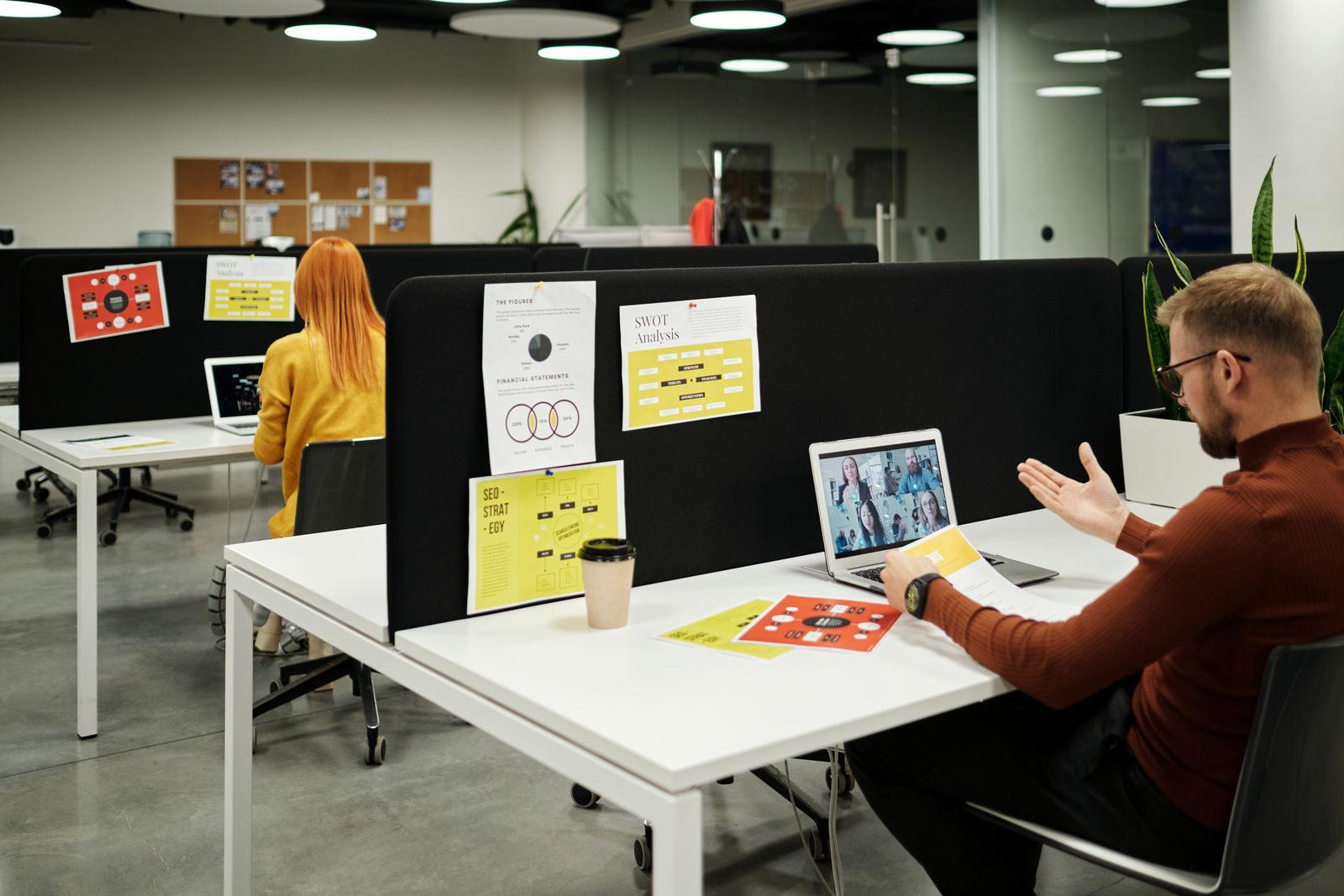
- The offices are smaller, so per-drop efficiency matters. Many Ajman businesses run lean teams — a compact head office of ten to fifty people is typical rather than a multi-floor tower. That makes each individual pantry order smaller, which means a supplier has to be efficient about scheduling and routing to serve the emirate profitably without passing delivery overhead back to the customer.
- The workforce is often mixed. A large share of Ajman organisations pair a small office with a warehouse, workshop, or factory floor. That means two refreshment profiles under one roof — a desk-and-meeting-room offering for the office, and high-volume tea, coffee, water, and shelf-stable snacks for industrial and shift staff. A pantry plan that thinks only about the office will under-serve the larger group.
Ajman Free Zone and the New Industrial Area
Two zones anchor most of Ajman's business demand, and each has a distinct profile.
Ajman Free Zone (AFZ), next to Ajman Port, is one of the UAE's oldest and most affordable free zones. Its tenant base is dominated by SMEs, traders, and light-industrial companies drawn by low-cost licensing. Buyers here are practical and volume-oriented: dependable delivery, consistent stock, and honest pricing matter far more than a premium catalogue. The high density of small units means a supplier needs efficient, scheduled delivery runs rather than ad-hoc single drops.
The New Industrial Area and the older industrial districts carry Ajman's manufacturing base — furniture, building materials, food processing, and metalwork among them. The refreshment need skews heavily toward high-volume hydration and shelf-stable staples for a large blue-collar workforce, with a smaller corporate-office component in the administrative buildings. This is a part of the emirate where summer hydration planning is not optional.
Alongside them sit the corporate and government offices around the Corniche and downtown Ajman, plus the trading hubs like Ajman China Mall — a more conventional office-refreshment profile, but still a firmly cost-conscious one. Across all of it, the deciding factor is dependability at a fair price. Ajman rewards suppliers who show up on schedule and keep costs honest, and punishes those who don't, faster than anywhere else.
The corridor problem, one leg longer
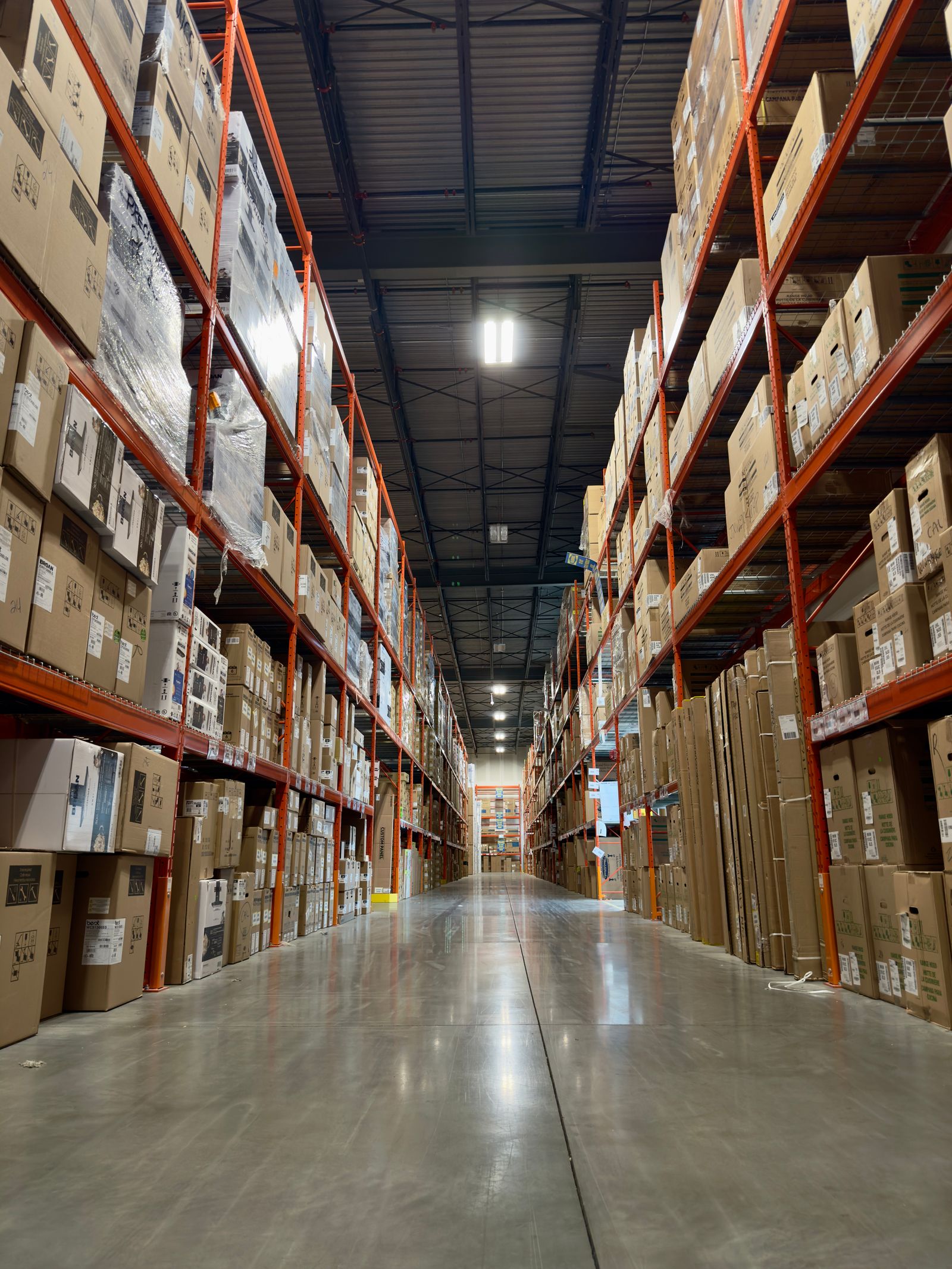
The single biggest logistics factor in Ajman is distance combined with traffic. Most established pantry and food-service suppliers are based in Dubai, and a delivery into Ajman does not just cross the notorious Dubai–Sharjah corridor — it then has to push on through Sharjah and into Ajman on top. In peak hours that turns an already congested run into a genuinely long one, and a supplier who does not plan around it will miss delivery windows routinely.
A pantry operation built for Ajman should account for this directly: off-peak delivery scheduling, realistic time windows that assume the full corridor rather than pretend it away, and enough routing discipline to serve AFZ, the industrial areas, and the downtown offices without every order getting stuck in Sharjah at rush hour. This is the same multi-site logistics problem that shapes pantry supply across the northern emirates — solvable, but only if the supplier treats Ajman as its own delivery territory rather than the last, forgotten stop on a Dubai route.
Summer logistics and cold chain
Ajman summers are as severe as anywhere in the UAE, and the longer delivery run makes the heat load harder to manage. From May to September, any delivery that includes chilled items, fresh fruit, dairy, or chocolate needs proper cold-chain handling — and the extra time on the road through the corridor is exactly when an unrefrigerated order spoils. Hydration demand also climbs sharply, and in a workforce that includes industrial and shift staff, water and electrolyte volumes rise faster than in a purely desk-based office. A flat, year-round stock plan will either run short in summer or waste money in winter; the hot-season swing is large enough to plan for explicitly.
VAT, excise, and the compliance basics
The tax rules are federal, so they apply in Ajman exactly as they do across the UAE — but the emirate's cost-conscious buyers watch every number.
- VAT at 5% applies to most pantry supplies, and whether the input VAT is recoverable depends on how the refreshments are used. The detail matters for finance teams and is worth getting right from the start — see the breakdown in VAT on office pantry and staff refreshments.
- Excise tax hits carbonated drinks, energy drinks, and sweetened beverages at high rates, which materially changes the cost of stocking them — a real consideration for a price-sensitive Ajman buyer. The implications for a pantry catalogue are covered in UAE excise tax on office pantry beverages.
- Proper tax invoices are a baseline requirement for any office that recovers VAT or runs a formal purchase-order process. A supplier who issues compliant, itemised tax invoices — not informal receipts — is a non-negotiable, not a nice-to-have.
What a managed pantry should look like in Ajman
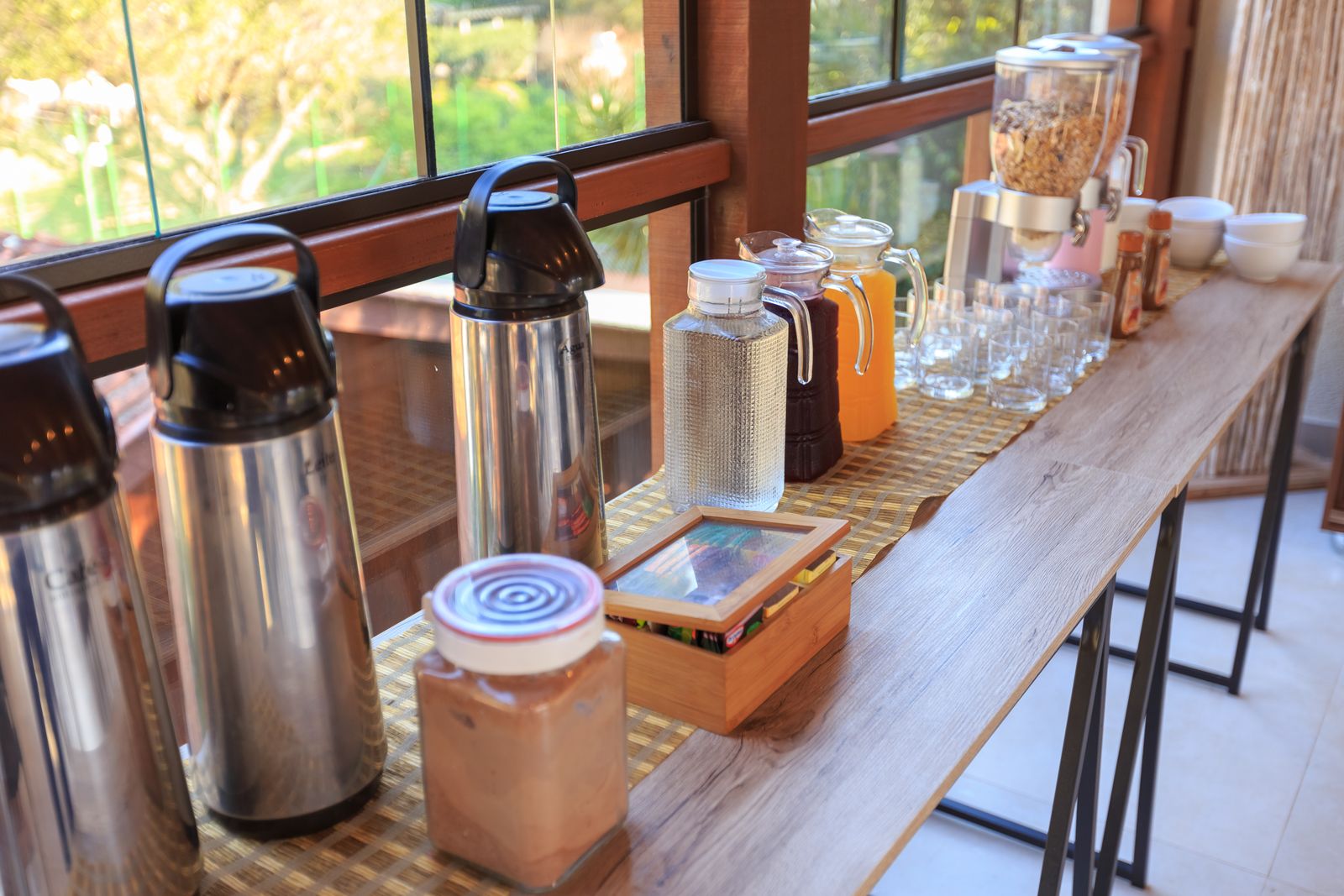
Pulling the threads together, an office pantry service built for Ajman in 2026 should be able to do the following without the office team having to manage it:
- Deliver honest value — transparent pricing, a clear cost per head, and a supplier who actively helps keep spend down rather than pad it.
- Serve a mixed workforce — a corporate-office offering and a high-volume industrial one, from the same accountable partner.
- Beat the corridor — off-peak scheduling and realistic delivery windows that assume the full Dubai–Sharjah–Ajman run, across the free zone, industrial areas, and downtown offices alike.
- Handle the heat — cold-chain delivery for perishables and a stock plan that adapts to the summer demand curve.
- Consolidate suppliers — one partner for snacks, beverages, coffee, and consumables rather than a patchwork of vendors, which is the core argument for supplier consolidation.
- Make ordering simple — online ordering and pantry management that a lean office or facilities team can run without extra headcount.
The shift that matters is from buying products to buying a managed service. An Ajman business — whether a family trader, an SME, or an industrial operation — does not want to place orders, chase deliveries through corridor traffic, and reconcile receipts. It wants a partner who keeps the pantry stocked, delivers on schedule despite the distance, issues clean invoices, and keeps the cost honest.
Pantry guides for the other emirates: Dubai · Abu Dhabi · Sharjah · Ras Al Khaimah · Fujairah · Umm Al Quwain
Frequently asked questions
Why does a Dubai pantry playbook fit Ajman badly? Ajman has the tightest budgets in the country, smaller offices — a compact head office of ten to fifty people is typical rather than a multi-floor tower — and the longest corridor run of the three northern-corridor emirates. A plan built for a large, price-tolerant Dubai tenant on a short delivery route gets all three of those wrong.
How long is the delivery run into Ajman? Most suppliers are based in Dubai, so an Ajman delivery crosses the congested Dubai–Sharjah corridor and then continues through Sharjah into Ajman on top. In peak hours that turns an already slow run into a genuinely long one, which is why off-peak scheduling and realistic delivery windows matter more here than almost anywhere else.
What are the main business zones to plan a pantry around in Ajman? Ajman Free Zone next to Ajman Port — SMEs, traders and light industry drawn by low-cost licensing, wanting dependable scheduled runs rather than ad-hoc drops. The New Industrial Area and older industrial districts — furniture, building materials, food processing and metalwork, skewing heavily to high-volume hydration and shelf-stable staples. And the corporate and government offices around the Corniche and downtown, plus trading hubs like Ajman China Mall.
Do small Ajman offices still get proper managed pantry service? Yes, but the supplier has to be efficient about routing and scheduling to serve smaller orders profitably without passing delivery overhead back to the customer. The things to insist on are the same as anywhere: transparent per-head pricing, cold-chain handling through the summer, one partner across snacks, beverages, coffee and consumables, and online ordering a lean team can run without extra headcount.
Getting started
If you are setting up or reviewing a pantry for an Ajman office, the practical first steps are the same ones we recommend across the UAE, with the emirate's specifics layered on top: define what "good" looks like for your sites, work out a realistic per-head budget, and choose a supplier who can deliver reliably across Ajman. The new office pantry setup checklist and the budget template are good starting points, and the guide to choosing a pantry vendor walks through the selection criteria that matter most to lean procurement teams.
My Healthy Office supplies and manages office pantries across the UAE, including Ajman, as a single accountable partner — from snacks and beverages to coffee and consumables, with consolidated invoicing and spend reporting built for cost-conscious offices. If you are planning a pantry for an Ajman office, get in touch and we will help you scope it for your sites.