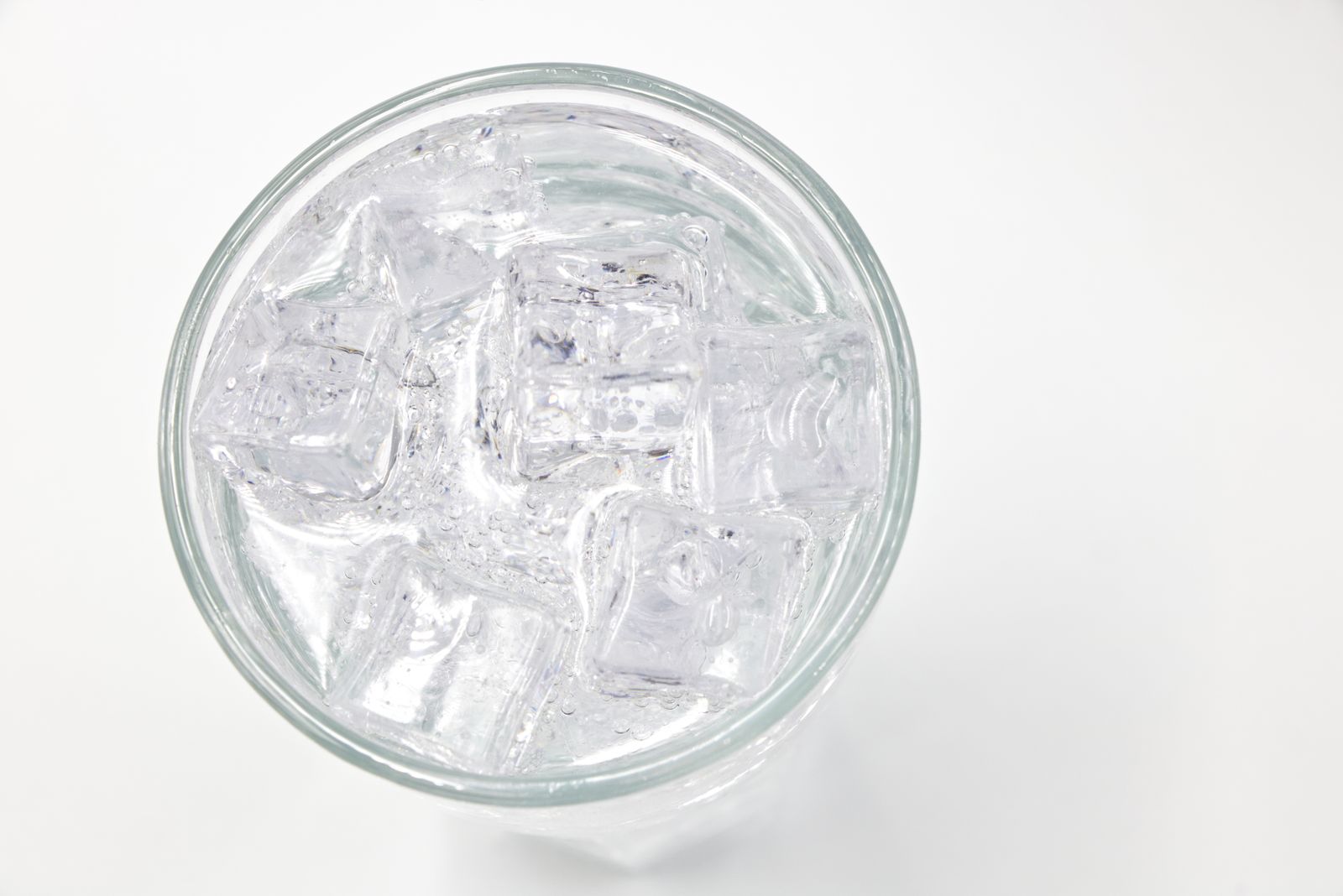
For most of the year in the UAE, a cold drink is not a treat but the default. Iced coffee, iced tea, soft drinks, sparkling water and plain water over ice all run through the same piece of equipment, and in many offices that equipment is an ice machine bought with the fit-out and not opened since.
Ice is also food. It goes straight into the drink, it is never cooked, and a neglected machine is one of the most common hygiene problems in an office pantry. This guide covers whether you need a machine at all, the types, sizing for UAE heat, hygiene, bagged ice for events, and cost.
Do you need an ice machine at all?
Not every office does. Before buying one, look at how people actually drink.
- Under about 25 people, mostly water and hot drinks: a chilled water dispenser and a well-stocked drinks fridge usually cover it. The freezer compartment of a pantry fridge can hold a few bags of packaged ice for the occasional need.
- 25 to 150 people with an iced coffee or iced tea habit: an under-counter ice machine starts to earn its place. Once people make iced drinks every day, trays and bags stop keeping up.
- Large offices, several pantries or regular events: a larger modular machine or one ice machine per pantry cluster, plus bagged ice for events.
- 24/7 sites and shift operations: ice demand follows the shift, not office hours. A machine that is sized for a 9-to-6 day can run empty on a night shift in July. The shift-work and 24/7 workplaces guide covers pantry planning around the clock.
Chilled water from a dispenser, not ice, is what satisfies the legal duty to provide drinking water; the labour law and drinking water guide covers that obligation. Ice is a comfort on top.
Ice types: cube, nugget, flake
Ice machines make one type of ice each, so choose before you buy.
- Cube (full or half dice). Hard, slow to melt, fits any glass. The right default for an office: it keeps a drink cold without watering it down quickly.
- Gourmet or "top hat" cubes. Clear, dense, look good in a boardroom glass. A premium choice for client areas; slower production for the same machine size.
- Nugget or chewable ice. Soft, porous pellets that absorb the drink. Popular in iced coffee and with people who like to chew ice. Melts faster, so a drink waters down more.
- Flake ice. Soft snow-like flakes used for displays, such as keeping fruit or bottled drinks cold on a buffet. Not a drinking ice for most offices.
Cloudy ice is not unsafe; the cloudiness is trapped air and dissolved minerals. A sudden change in how the ice looks, tastes or smells is a warning sign, usually of a filter that needs changing or a machine that needs cleaning.
Sizing an ice machine for UAE heat
Ice machines are sold by how many kilograms they produce in 24 hours and how much the storage bin holds. Two points matter in the UAE.
1. Rated capacity is measured in mild conditions. The headline figure is usually tested at around 21 °C air and 10 °C incoming water. A pantry that reaches the high 20s in the afternoon, fed by water from a warm roof tank, produces noticeably less. Ask the supplier for the output at 32 °C air and 21 °C water, the conditions manufacturers usually quote as the hot-climate figure, and size against that.
2. Demand peaks in the afternoon, not evenly. The bin covers the peak; the production rate refills it. A machine that makes 50 kg a day but holds 15 kg can run out at 2 pm and be full again by midnight.
A practical starting point for an office with a regular iced-drinks habit is about 0.3–0.5 kg of ice per person per day in summer, more in offices where iced coffee is the main drink. For 80 people, that suggests a machine producing roughly 40 kg a day at hot-climate conditions, with a bin of 15–25 kg. Add headroom for events rather than buying for them.
Air-cooled or water-cooled. Most office machines are air-cooled and push warm air out of the front or back. In a small pantry that heat adds to the air-conditioning load and lowers the machine's own output. Give it the ventilation clearance the manual asks for, keep it away from the coffee machine and the dishwasher, and never enclose it in a cupboard without airflow.
Installation: water, drain, power and space
An ice machine is plumbing, not an appliance you plug in.
- Water supply with a shut-off valve, and a filter on the inlet. Filters reduce scale, sediment and taste, and they are changed on a schedule, usually every six months or by volume.
- Drain. Most machines need a gravity drain below them or a drain pump. No drain point means no ice machine, so plan it before the fit-out closes up the walls.
- Power on its own socket, not a shared extension.
- Space for the unit, the ventilation clearance, and a scoop holder mounted outside the bin.
These are decided in the design stage. The breakroom design and layout guide covers pantry planning, and the office fit-outs and services range covers the build itself. For multi-tenant towers, check the building's rules on water connections and drains before ordering.
Hygiene: the rules that matter
The pantry equipment maintenance guide calls the ice machine the highest-risk unit in most pantries, and the reason is simple: it is wet, dark, cool, and often ignored. The rules below cover almost every problem.
- Use the scoop, only the scoop. A dedicated ice scoop, stored in a holder outside the bin. Never scoop with a glass or cup, which can chip or break into the ice, and never with hands.
- The bin holds ice, nothing else. Do not chill bottles, cans, milk or fruit in the ice bin. Their outsides are not clean.
- Wipe the outside and the scoop holder daily, and wash the scoop at the end of each day.
- Look inside the bin weekly. Pink or black slime, a musty smell, or scale on the surfaces means the machine needs a full clean, not a wipe. Report it rather than scraping it.
- Clean and sanitise on schedule. Follow the manufacturer's cleaning procedure, which uses a descaling solution for the water system and a food-safe sanitiser for the bin and parts. In UAE conditions, a quarterly deep clean is a sensible minimum for a busy machine, even where the manual allows longer.
- Change the filter on time and write the date on it.
- Keep a log. Date, what was done, who did it. If a building manager, auditor or visitor asks, a dated record is the answer.
Cleaning products for this belong in the cleaning supplies range, stored away from food; the scoop holder, hand-wash station and sanitiser for the pantry sit in the office hygiene range. Larger sites that contract a facilities provider can put ice machine sanitising into the facility hygiene scope with a fixed frequency. The wider pantry rules are in the food safety rules guide.
Hands-free dispensers are worth considering for self-serve offices. A dispenser that drops ice straight into a cup at the push of a lever or button removes the scoop, the open bin and the most common contamination route. It costs more than a bin machine of the same size, but for a busy open pantry it is the more hygienic design.
Bagged ice for events and peaks
For a town hall, an iftar or a summer event, buying packaged ice is usually cheaper and simpler than buying a bigger machine.
- Buy packaged ice from a licensed producer, sealed and labelled with the producer's details. Loose ice from an unknown source is not acceptable for drinks.
- Order the day before in summer, when demand across the city is high.
- Keep bags in a freezer or an insulated ice box until needed. Do not store them on the floor.
- Drinking ice and cooling ice are different. Ice used to chill bottles in a tub is not then scooped into drinks.
Ramadan is the main peak for many offices. Iftar and suhoor events call for iced water, juice, jallab and laban, often for more people than the office normally serves. The Ramadan fasting at work guide covers the rest of the planning.
What it costs
These are indicative ranges; get quotes against your actual volume and site.
- Buying: a commercial under-counter machine for a small or mid-sized office is roughly AED 3,000–10,000; larger modular machines with separate bins cost more, and hands-free dispensers sit at the top of the range.
- Renting: monthly rental with servicing included is common and puts cleaning, filters and repairs on the supplier. As with coffee equipment, the rental versus buying guide sets out how to compare the two.
- Running costs: electricity, water, filters (typically changed every six months) and quarterly cleaning, either by trained staff or a technician.
- Packaged ice: priced by the bag; for occasional use it is cheaper than owning a machine.
The hidden cost is downtime. A machine that fails in July, with no service contract, can take days to repair.
Who needs ice most
Ice demand is highest where people come in from the heat or cannot step out for a drink.
- Site-based and field teams. In construction and engineering and oil, gas and energy, people return from site to the office hot and thirsty; the coconut water and electrolyte drinks guide covers what else to stock for them.
- Airports and logistics hubs. Aviation and airport services teams work shifts around the clock, and JAFZA warehouses and offices run in the same heat; the JAFZA delivery page covers the free-zone side.
- Coworking spaces. A shared ice machine serves many companies and needs a clear cleaning owner; the coworking spaces page covers pantry service for operators.
- Government and public-sector offices with visitor areas, where a hands-free dispenser is the safer choice; see the government and public-sector page.
- Busy towers with events. Offices in Downtown Dubai, Dubai Marina, JLT and around the Dubai World Trade Centre host client events that need bagged ice on top of the machine. MHO serves offices across Dubai and Abu Dhabi, including Yas Island.
Ice and the rest of the cold-drinks line
The ice machine supports everything else in the fridge. The iced coffee guide and the iced tea and cold-brew tea guide cover the drinks that use the most ice, the summer hydration playbook covers the season as a whole, and the water cooler versus bottled water guide covers the chilled water that should come first.
The short version
- Under about 25 people, a chilled water dispenser, a drinks fridge and some packaged ice usually cover it.
- Choose cube ice for most offices; nugget for heavy iced-coffee drinkers; flake only for displays.
- Size against the hot-climate output (around 32 °C air, 21 °C water), not the headline figure, and allow about 0.3–0.5 kg per person per day in summer.
- Plan the water, drain, power and ventilation before the fit-out closes.
- Scoop outside the bin, nothing but ice in the bin, weekly look inside, quarterly deep clean, filter on schedule, and a log.
- Use packaged ice from a licensed producer for events, and never put cooling ice into drinks.
Frequently asked questions
Does my office need an ice machine? Offices under about 25 people that mostly drink water and hot drinks usually do not; a chilled water dispenser, a drinks fridge and a few bags of packaged ice in the freezer are enough. Once 25 or more people make iced coffee or iced tea every day, an under-counter ice machine usually pays for itself in convenience.
How big should an office ice machine be? A practical starting point in a UAE summer is about 0.3 to 0.5 kg of ice per person per day, more if iced coffee is the main drink. Size against the machine's output at hot-climate conditions, around 32 °C air and 21 °C water, not the headline figure measured in mild conditions, and choose a bin large enough to cover the afternoon peak.
How often should an office ice machine be cleaned? Wipe the outside and scoop holder daily, wash the scoop daily, and look inside the bin weekly. Clean and sanitise the machine following the manufacturer's procedure; in UAE conditions a quarterly deep clean is a sensible minimum for a busy machine. Change the water filter on schedule, usually every six months, and keep a dated log.
Is cloudy ice safe to drink? Yes. Cloudy ice contains trapped air and dissolved minerals and is not a safety problem. A sudden change in how the ice looks, smells or tastes is different: it usually means the filter needs changing or the machine needs cleaning.
Can we use bagged ice in drinks at office events? Yes, if it is packaged ice from a licensed producer, sealed and labelled, and kept in a freezer or clean insulated box until used. Ice that has been used to chill bottles or cans in a tub should not be served in drinks.
Should we buy or rent an office ice machine? Buying costs roughly AED 3,000 to 10,000 for a commercial under-counter unit, plus filters, cleaning and repairs. Renting with servicing included moves cleaning, filters and breakdowns to the supplier, which suits offices without a facilities team. Compare the total cost over three to five years, including the cost of a breakdown in summer.