Every UAE office knows how to think about water in summer. When it is 45 °C outside, people drink without being reminded, and the pantry plans around it.
Winter is different. From around November to March, daytime temperatures drop into the low to mid 20s and evenings get cool. Water bottles stay full on desks, the cooler is used less, and many people go most of the morning on one coffee. That is not because they need much less fluid. It is because they feel less thirsty.
This guide covers why that happens and the simple pantry changes that help.
Why people drink less in winter
Thirst is a late signal. By the time you feel it, your body is already a little short of fluid. In cooler weather that signal gets weaker. Research on people in cool conditions suggests they feel less thirsty and drink less, even when their body still needs fluid.
Three things make it worse in an office:
- Air conditioning stays on. Many UAE offices run cooling all year, and air-conditioned air is dry.
- Fewer reminders. In summer, heat is a constant reminder to drink. In winter there is nothing prompting people to refill.
- More hot drinks, less water. People switch to tea and coffee and stop drinking water between them.
Mild dehydration is linked with tiredness, headaches and poorer concentration. None of that is dramatic, but over a working week it adds up.
How much people still need
The European Food Safety Authority sets adequate total water intake at about 2.0 litres a day for women and 2.5 litres a day for men. That includes water from food, which usually makes up around 20 to 30 per cent, so most of it still needs to come from drinks.
Those figures do not change much just because the weather cools. People who are active, pregnant or breastfeeding need more.
A simple check is urine colour. Pale straw is about right. Darker than that usually means a person should drink more.
Hot drinks count
A common myth is that tea and coffee "don't count" because caffeine is dehydrating. In moderate amounts, they do count. Studies have found that moderate coffee drinking hydrates about as well as water.
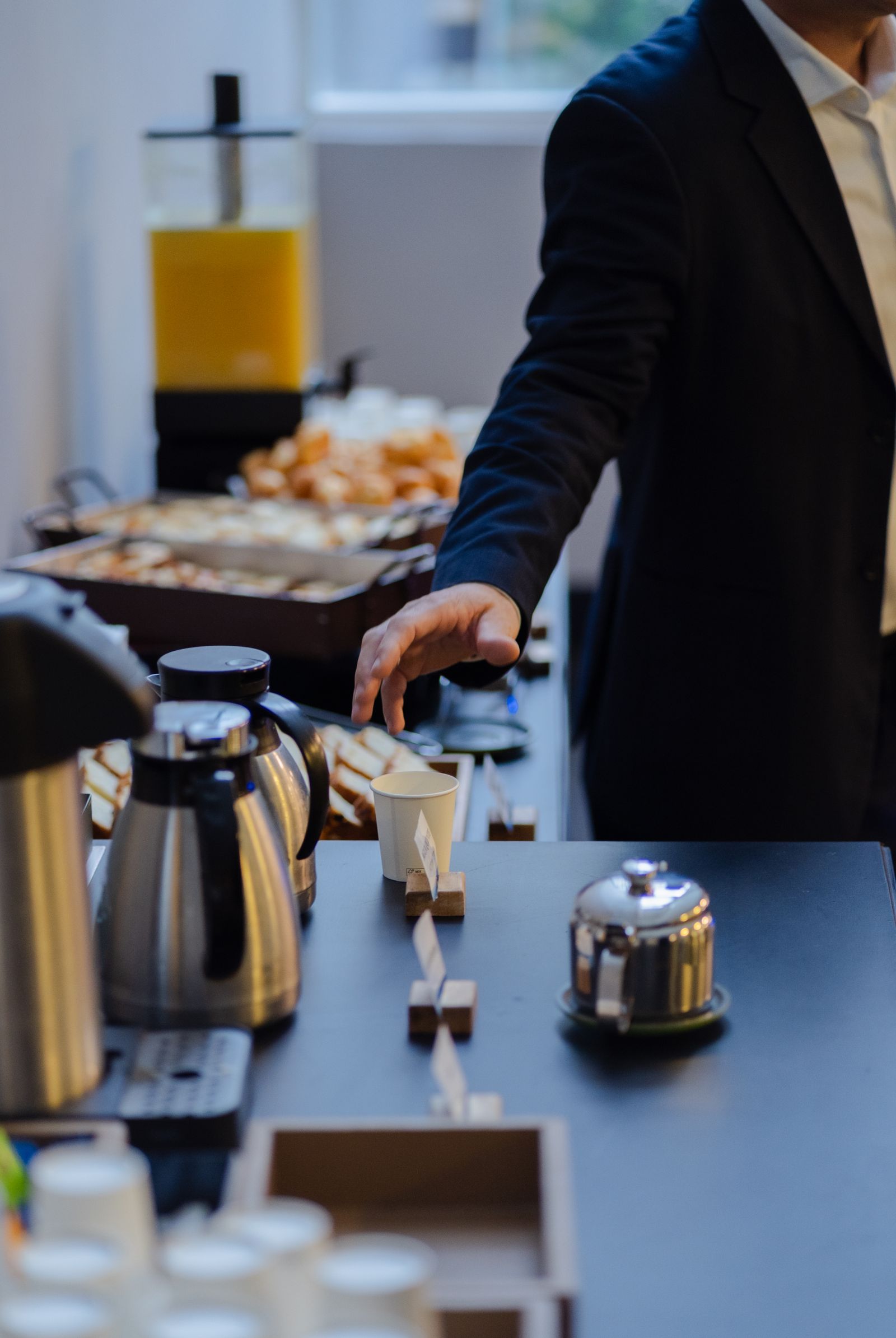
So in winter, the easiest way to keep people drinking is to make warm drinks easy:
- Herbal teas are caffeine-free and can be drunk all afternoon. The herbal tea and infusions guide covers options, and the herbal teas range has the products.
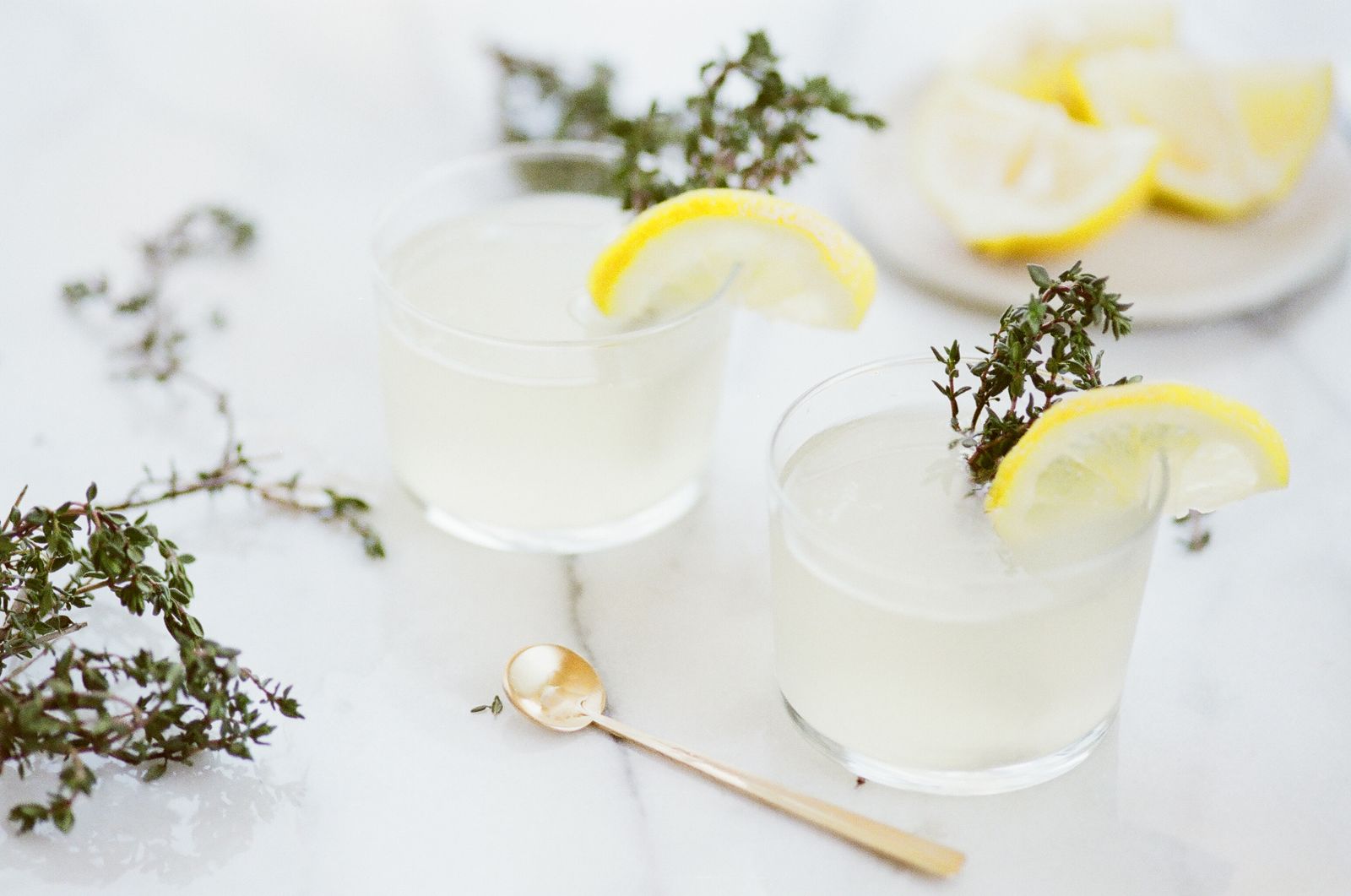
- Hot water with lemon or ginger is cheap and popular in winter.
- Karak, coffee and black tea still count, but keep an eye on caffeine and sugar. The decaf and low-caffeine drinks guide covers alternatives for the afternoon.
- Hot chocolate is popular in winter but high in sugar, so offer it as a treat, not the main drink. The hot chocolate and winter drinks guide has lower-sugar options.
A reliable hot water supply matters more in winter. The boiling water taps and hot water dispensers guide compares the options, and the coffee and coffee machines range and dairy and plant-based milk range cover the rest of the hot drinks station.
Offer room-temperature water
Many people do not want ice-cold water when the weather cools. If the only option is a chilled cooler, they drink less.
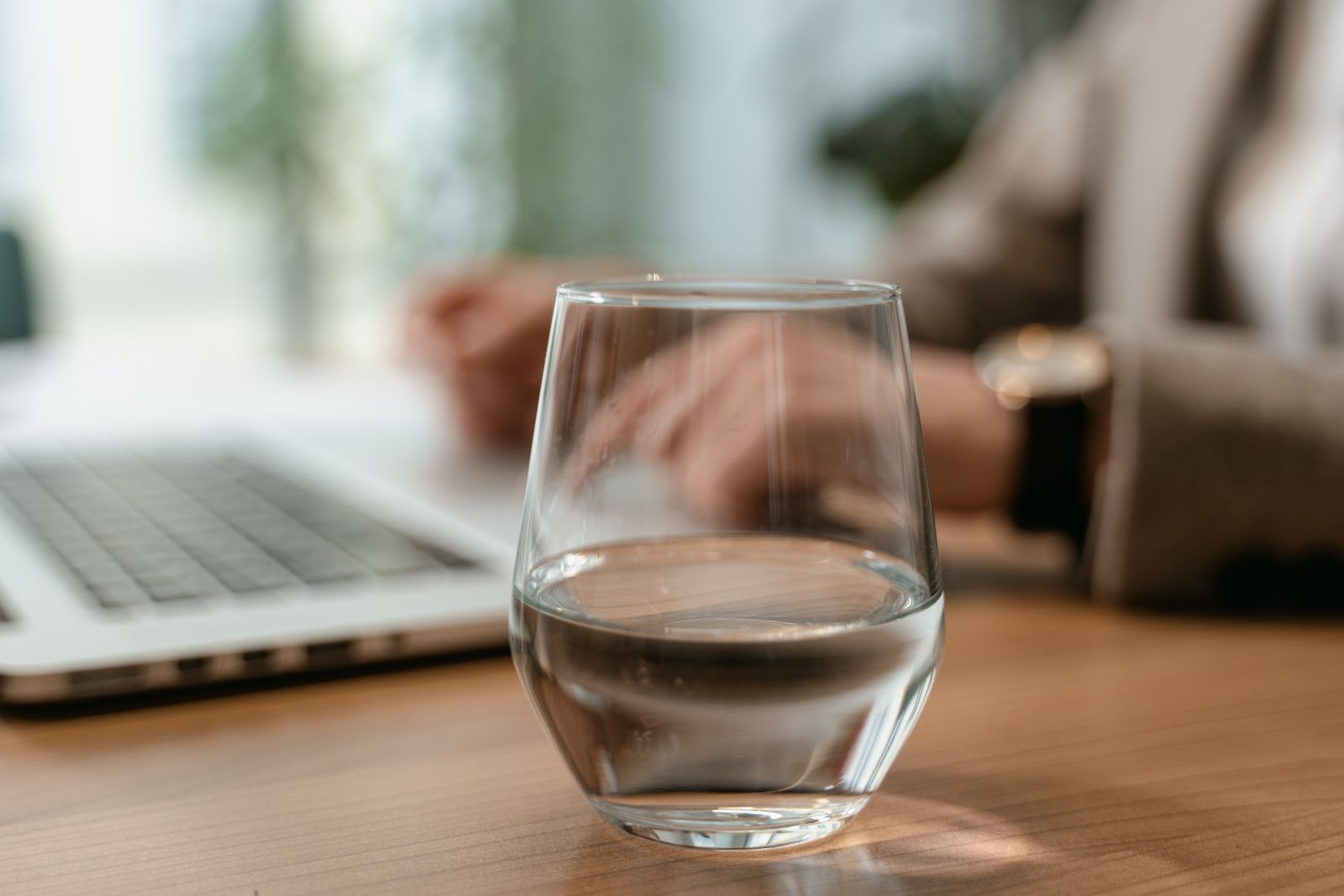
- Make sure the water cooler or dispenser has an ambient or room-temperature setting, not just cold and hot.
- Keep a few cases of bottled water unchilled rather than filling the fridge with them.
- Put jugs of room-temperature water and glasses in meeting rooms.
The water cooler vs bottled water guide and the water filtration and point-of-use dispensers guide compare dispensers, and the juices and waters range covers bottled water.
Make water more appealing
Small changes help people drink more without being told to:
- Infused water. A jug of water with cucumber, mint, lemon or orange slices on the pantry counter is used far more than a plain jug. The infused water station guide covers hygiene and recipes.
- Sparkling water for people who find plain water dull. The sparkling water guide covers options.
- Reusable bottles and cups at each desk, with a refill point close by.
Eat your water too
Fruit and vegetables add a surprising amount of fluid. Winter is the season for oranges, mandarins, pomegranates and strawberries, all of which are mostly water. Cucumber and other salad vegetables are useful too.
The seasonal fruit calendar shows what is in season, and the fruit and cut veggies range covers office fruit delivery. Pair fruit with lighter snacks rather than very salty ones, which make people thirstier. The office snacks range, nuts and seeds range, dried fruits range and low-sugar treats range all have options, and the meat alternatives range covers plant-based protein for lunches.
Adjust your bottled water orders
Water use usually drops from November, and many offices keep ordering the summer quantity. That leaves cases piling up in storerooms.
- Review par levels in late October. Compare November and December use from last year with the summer peak and order against that.
- First in, first out. Use older stock first and check best-before dates.
- Store bottles properly. Keep cases out of direct sunlight and away from heat, including car parks and loading bays, even in winter.
- Keep a buffer for events. Winter is the season for outdoor events, so leave room in the order for those.
The inventory management guide covers par levels in more detail, and the Q4 and year-end pantry planning guide covers the rest of the season.
Outdoor events and sports days
Winter is when UAE companies move outside: sports days, team walks, desert events, beach clean-ups and fitness challenges. The Dubai Fitness Challenge usually runs from late October to late November and encourages 30 minutes of activity a day for 30 days.
People still sweat in 25 °C sun, especially during exercise, and they rarely feel as thirsty as they do in summer. For outdoor events:
- Plan around 500 ml to 1 litre of water per person per hour of activity, more in direct sun.
- Have water at the start, during and after, not only at the end.
- Add electrolyte drinks or coconut water for longer activity. The coconut water and electrolyte drinks guide covers options.
- Bring fruit such as oranges and bananas for longer events.
The breakfast and corporate events range covers event catering, and the team offsite and workshop catering guide covers full-day events.
Ramadan 2027 falls in winter
Ramadan 2027 is expected to begin around 8 February 2027. Fasting days in February are shorter and cooler than summer Ramadans, but people still go all day without water.
Encourage colleagues who are fasting to drink steadily between iftar and suhoor rather than a lot at once, and to choose water and water-rich foods over very salty or sugary ones. Keep the pantry stocked for non-fasting colleagues, but be considerate about eating and drinking in shared spaces. The Ramadan fasting at work guide covers more.
Hygiene around water points
Winter is also cold and flu season, and water points are touched by everyone.
- Clean dispenser taps, buttons and drip trays daily.
- Replace shared glasses with personal cups or a clean-glass rack.
- Put hand sanitiser next to the cooler and coffee station.
The cold and flu season pantry guide covers this in more detail, and the office hygiene range, facility hygiene range and cleaning supplies range cover sanitiser, wipes and cleaners.
Put water where people are
The simplest change is often placement. A water point far from desks is used less, especially when no one feels thirsty.
- Add a second refill point on large floors.
- Put water in every meeting room.
- Give each team a shelf or small station near their desks.
The stationery and office furniture range covers trolleys and shelving, and the office fit-outs and services range covers plumbed water points for new or refurbished offices. The breakroom design guide covers layout, and the full categories page shows the range.
Winter hydration in Abu Dhabi offices
Office patterns in Abu Dhabi follow the same seasonal shift. Financial firms in ADGM and on Al Reem Island hold long meetings where a jug of room-temperature water and a herbal tea option make a difference. Cultural and education organisations on Saadiyat Island and leisure and events companies on Yas Island move many activities outdoors in winter, which needs water planning. Sustainability-focused employers in Masdar City favour refill stations over bottles, and industrial sites in Mussafah still need plenty of water for outdoor work, even in cooler months. The Abu Dhabi locations page shows the areas MHO covers, and the industries page shows how needs differ by sector.
For the hot months, the UAE summer office hydration playbook covers the other half of the year.
The short version
- People feel less thirsty in winter but still need roughly the same fluid: about 2.0 litres a day for women and 2.5 litres for men, from food and drink.
- Tea and coffee count in moderate amounts. Make warm drinks and herbal teas easy.
- Offer room-temperature water, not only chilled.
- Use infused water, fruit and good placement to encourage drinking.
- Review bottled water orders in late October, store cases away from heat and use older stock first.
- Plan 500 ml to 1 litre of water per person per hour for outdoor events.
- Ramadan 2027 is expected around 8 February 2027, so plan winter fasting support too.
Frequently asked questions
Do people need less water in winter? Not much less. People feel less thirsty in cooler weather, but adults still need about 2.0 litres a day for women and 2.5 litres for men from food and drink, and more if they are active.
Do tea and coffee count towards hydration? Yes, in moderate amounts. Studies have found that moderate coffee drinking hydrates about as well as water. Watch the sugar and caffeine, especially in the afternoon.
Why do people drink less water at the office in winter? Thirst is weaker in cool conditions, air conditioning keeps the air dry, and there are fewer reminders to drink. Many people also switch to hot drinks and stop drinking water in between.
Should we change our office water order in winter? Usually yes. Review par levels in late October against last year's winter use, use older stock first, and keep a buffer for outdoor events.
How much water do we need for an outdoor team event in winter? Plan around 500 ml to 1 litre per person per hour of activity, more in direct sun, with electrolyte drinks or coconut water for longer events.
What is the easiest way to get staff to drink more water in winter? Offer room-temperature water, put water in meeting rooms and near desks, and set out a jug of infused water. Making herbal teas and hot water easy to get also helps.