Every office has people who stop drinking coffee at lunchtime, people who never drank it, and people who want something warm at 4 pm that will not keep them awake. Herbal teas cover all three. They cost little, take up one drawer, and are often the first thing staff ask for when the pantry only has black tea and coffee.
They are also less simple than they look. A few common herbs are not suitable for everyone, the brewing method matters for food safety, and pantry signs that promise health benefits are best avoided. This guide covers what to stock, how to serve it, and what to label.
Herbal tea is not tea
Strictly, "tea" means the leaves of the tea plant, Camellia sinensis: black, green, white and oolong. All of them contain caffeine. Herbal teas, also called infusions or tisanes, are made from other plants: leaves, flowers, roots, seeds or fruit. Most are naturally caffeine-free.
Two points catch people out:
- Green tea is not a herbal tea. It contains caffeine, roughly a third to half of a cup of coffee. Label it with the black teas, not the herbal ones.
- Some "herbal" blends contain tea. A "mint green tea" or "jasmine tea" is usually green tea with flavouring. Read the ingredients before putting it in the caffeine-free box.
The decaf and low-caffeine drinks guide covers decaf coffee and the caffeine content of other drinks.
What to stock
| Infusion | Taste | Who asks for it | Notes |
|---|---|---|---|
| Mint (peppermint or spearmint) | Fresh, cooling | Almost everyone; after lunch | The safest default. Can worsen heartburn in some people |
| Chamomile | Mild, floral | Afternoon, evening shifts | Label for daisy-family allergy |
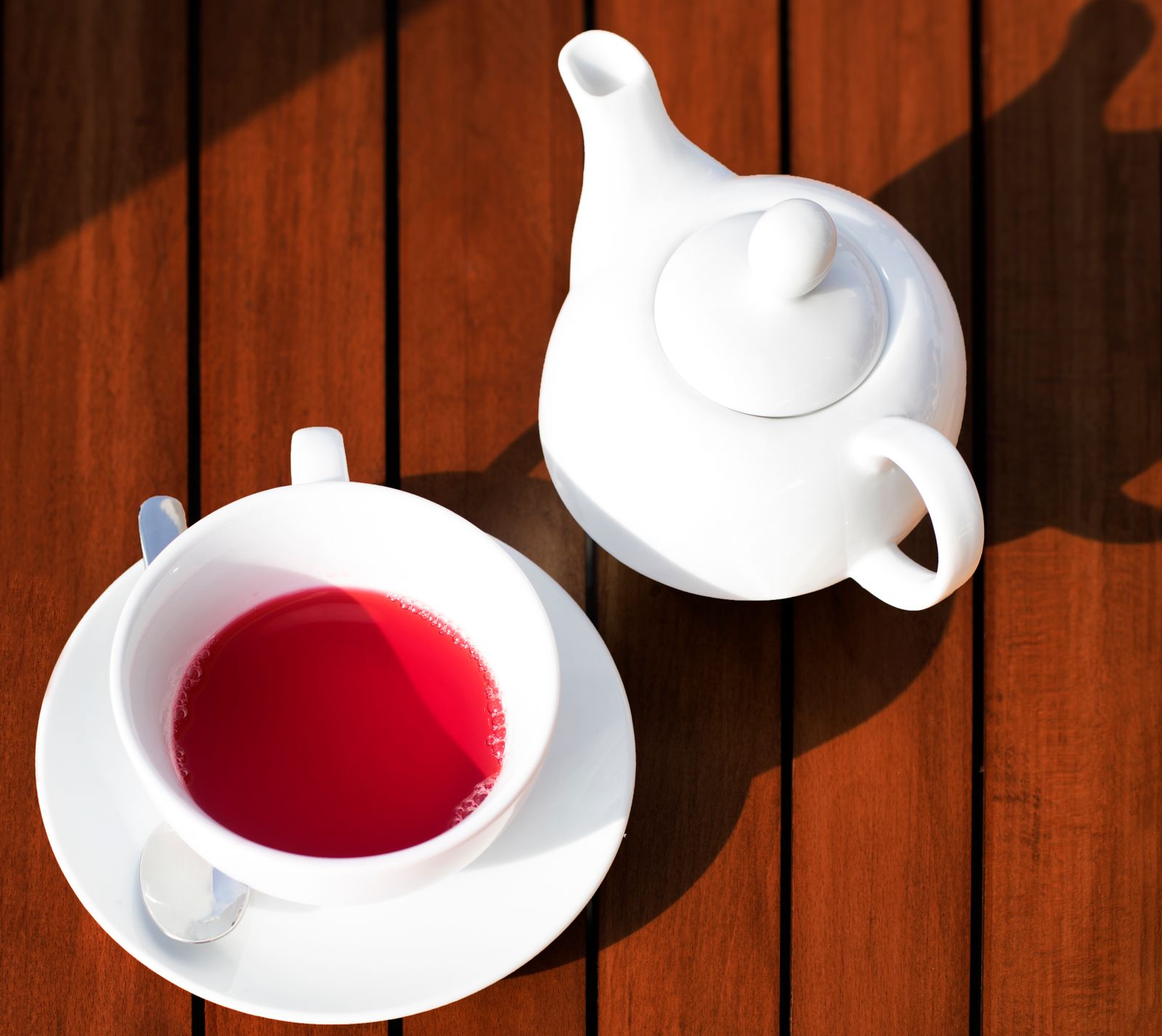
| Hibiscus (karkade) | Sharp, fruity, deep red | Popular in the region, hot or iced | Caution label: blood pressure medication, pregnancy |
| Ginger, or ginger and lemon | Warm, spicy | Colds, after meals | Generally well tolerated |
| Rooibos | Smooth, slightly sweet | Black-tea drinkers who want no caffeine | Takes milk well |
| Fruit infusions | Sweet-smelling, no sugar | People who want flavour without sugar | Check for added flavourings and sweeteners |
| Sage (maramiya) | Earthy | Levantine staff, often with black tea | Fine in normal amounts; not in large daily quantities in pregnancy |
| Anise or fennel | Liquorice-like | After meals | Generally well tolerated |
For most offices, a core of four works: mint, chamomile, a fruit or hibiscus infusion, and rooibos or ginger. Add one or two that your team asks for. The herbal teas range covers the common infusions in office formats.
Brewing: use freshly boiled water
Herbs and dried flowers are agricultural products, and they are not heat-treated before they are packed. Occasional batches have been recalled for bacteria such as Salmonella. Food-safety agencies, including Germany's Federal Institute for Risk Assessment, advise pouring freshly boiled water over herbal tea and letting it steep for at least five minutes. That is also how herbal teas give their best flavour.
In practice this matters for one piece of equipment. Many office hot-water dispensers and instant-boil taps deliver water at 85 to 95 °C rather than at a full boil. That is fine for black tea and coffee, and it is usually fine for herbal tea bags from a reputable supplier, but where you can, use a kettle for herbal teas, and do not make them with water from the chilled tap or the warm setting.
- Steep for 5 to 7 minutes, longer than black tea. Mint and chamomile need the full time.
- Cover the cup while it steeps to keep the aromatic oils in.
- Iced herbal tea should be brewed hot and then cooled, not soaked in cold water. The iced tea and cold-brew tea guide covers the safe method and how long a jug can stay out.
The coffee station accessories guide covers kettles, dispensers and the counter layout.
The herbs that need a caution label
Most herbal teas, drunk a few cups a day, are suitable for most people. A few are not suitable for everyone, and a pantry should say so. This is general information, not medical advice: staff who are pregnant, take regular medication or have a medical condition should check with their doctor or pharmacist.
Hibiscus. Studies suggest hibiscus tea can modestly lower blood pressure. That is a reason for care in people already taking blood pressure medication, and hibiscus is traditionally avoided in pregnancy. It is also very popular in the region, served hot or iced, so stock it, with a short note.
Liquorice root. Liquorice contains glycyrrhizin, which can raise blood pressure and lower potassium when taken regularly in large amounts. It is generally advised against in pregnancy and for people with high blood pressure or heart problems. Liquorice appears in many "digestive" and "sweet" blends, and the traditional liquorice drink, erk sous, is popular at Ramadan. Check ingredient lists and label any blend that contains it.
Chamomile. People allergic to plants in the daisy family, such as ragweed, can react to chamomile. It is also reported to interact with blood-thinning medication such as warfarin.
Peppermint. It can make heartburn and reflux worse in some people. Spearmint, ginger or chamomile are gentler alternatives.
Sage. Normal culinary use, a few leaves in a glass of tea, is fine. Large daily quantities are best avoided in pregnancy and by people with epilepsy, because sage contains thujone.
Variety matters. Plant-based teas can carry traces of natural plant toxins picked up during harvest. The EU has set maximum levels for some of these since 2022, and buying from a registered supplier who can show they meet them is the practical safeguard. The general advice from food-safety agencies is to vary the herbal teas you drink rather than drinking large amounts of a single one every day.
A simple sign by the tea drawer covers it: "Some herbal teas are not suitable in pregnancy or with certain medications. Hibiscus and liquorice: check with your doctor if you are pregnant or take blood pressure medication. Chamomile: avoid if allergic to daisy-family plants." The allergen and dietary labelling guide shows how to set up shelf labels.
What not to put on the sign
Herbal tea packaging and websites often promise a great deal: detox, immunity, weight loss, better sleep. Most of these claims are not supported by good evidence, and health claims on food are regulated in the UAE.
On the office sign, stick to name, taste, "caffeine-free" and the cautions above. "Chamomile, mild and floral, caffeine-free" is accurate and helpful. "Chamomile for stress relief" is a health claim the office does not need to make. The same applies to anything sent to staff about the pantry.
Formats
| Format | Pros | Cons | Best for |
|---|---|---|---|
| Individually enveloped tea bags | Hygienic, keep aroma in humidity, easy to count | More packaging | Most offices |
| Unwrapped bags in a box | Cheaper | Lose aroma once opened; humidity | High-use pantries that finish a box quickly |
| Pyramid bags with whole leaves | Better flavour | Cost more | Client areas, meeting rooms |
| Loose herbs | Best flavour, traditional | Needs infusers, mess, scoop hygiene | Small teams who care about tea |
| Fresh mint | Fresh flavour | Short life, washing, waste | Offices with a staffed pantry |
Enveloped bags are the right default for an open pantry in the UAE. Air-conditioning and humid summers take the aroma out of an open box within weeks, and individually wrapped bags stop people handling the bags others will use. Fresh mint, if you offer it, should be washed under running water and kept in the fridge, and anything wilting thrown out at the end of the day.
Sugar and honey
Herbal teas are drunk sweetened by many people, and some fruit infusions are sold pre-sweetened. Offer honey and sugar alongside, and an unsweetened option should always be available. The sugar, honey and sweeteners guide covers sachets versus pourers and keeping ants away from the honey.
Bottled ready-to-drink herbal drinks with added sugar, such as sweetened hibiscus in bottles, can fall under the UAE excise on sweetened drinks. Plain tea bags do not. The excise guide covers the current rules; confirm the treatment of specific products with your supplier.
How much to order
Herbal tea use varies more than coffee use, so start small and track the drawer.
| Office | Starting monthly order |
|---|---|
| 20 people | 100 to 150 herbal bags across 4 flavours |
| 50 people | 250 to 400 bags across 4 to 6 flavours |
| 150 people, several floors | 800 to 1,200 bags, split by floor |
As a starting point, herbal teas are often 15 to 25 % of the hot drinks in an office where they are offered properly, rising in winter and in Ramadan, when caffeine-free drinks after iftar are popular with staff who work evening hours. After a month, reorder what was used and drop the flavour nobody touches. The inventory management guide covers par levels.
Cost. Standard enveloped herbal bags typically cost well under a dirham each when bought in office volumes, and premium pyramid bags a dirham or two. For a 50-person office, a full herbal range usually adds a few hundred dirhams a month. The premium tea programmes guide covers higher-end ranges for client areas.
Where herbal teas matter most
- Professional services with long days. Law firms and consultancies in Business Bay, Downtown Dubai and JLT work late; an evening drink without caffeine is a small courtesy that staff notice.
- Finance and family offices. Banks and financial services firms and family offices in ADGM and on Al Reem Island often serve tea to clients, where a hibiscus or mint infusion is welcome alongside Arabic coffee.
- Government and public sector. Government entities receive many visitors and serve tea all day; caffeine-free choices are expected.
- Healthcare. Clinics and hospitals run night shifts, where staff want something warm without disrupting sleep after the shift.
- Energy and site offices. Oil, gas and energy companies and industrial sites in JAFZA run rotations where ginger and mint are the standard hot drinks after the evening meal.
- Real estate and exhibitions. Real estate firms with sales galleries and teams at Dubai World Trade Centre serve visitors through long days; iced hibiscus works in summer.
- Creative districts. Studios in Dubai Design District and Dubai Media City tend to want a wider range and a few premium flavours.
- Schools and universities. Staff rooms in schools and universities keep a herbal box for teachers who avoid caffeine during the day.
MHO delivers office pantries across Dubai and the UAE; the industries we serve page shows how pantries differ by sector.
Keeping the tea area clean
A tea drawer is handled by everyone. Keep it tidy and dry: a closed box or drawer organiser, used bags in a bin with a lid rather than on the counter, and a daily wipe of the surface around the kettle, where wet bags and sugar draw ants. The office hygiene range and the cleaning supplies range cover wipes, bins and counter sprays. Drawer organisers and tea caddies are in the stationery and office furniture range.
The short version
- Most herbal teas are caffeine-free; green tea is not herbal and contains caffeine.
- Stock a core of four: mint, chamomile, hibiscus or a fruit infusion, and rooibos or ginger.
- Brew with freshly boiled water and steep for 5 to 7 minutes.
- Label hibiscus and liquorice for pregnancy and blood pressure medication, and chamomile for daisy-family allergy.
- Vary the range rather than serving one herb in large amounts.
- Keep the sign to name, taste, "caffeine-free" and cautions; no health claims.
- Use individually enveloped bags in UAE humidity, and track use for a month before reordering.
MHO supplies herbal teas alongside coffee, black tea and the rest of the office pantry, with ingredient and allergen information for every product. Talk to the team about adding a caffeine-free range to your pantry.
Frequently asked questions
Are herbal teas caffeine-free? Most are. Mint, chamomile, hibiscus, ginger, rooibos and fruit infusions are naturally caffeine-free. Green tea and blends that contain green or black tea, such as mint green tea, do contain caffeine, so check the ingredients.
What herbal teas should an office stock? A core of four covers most teams: mint, chamomile, hibiscus or a fruit infusion, and rooibos or ginger. Add one or two flavours your staff ask for, and drop any that are not used after a month.
Is hibiscus tea safe for everyone? Not for everyone. Hibiscus may lower blood pressure, so people taking blood pressure medication should check with their doctor, and it is traditionally avoided in pregnancy. Label it in the pantry.
Which herbal teas should be avoided in pregnancy? Liquorice root and hibiscus are commonly advised against, and large amounts of sage should be avoided. Advice varies, so staff who are pregnant should ask their doctor or midwife about any herbal tea they drink regularly.
Should herbal tea be made with boiling water? Yes. Herbs are not heat-treated before packing, and food-safety agencies advise freshly boiled water and at least five minutes of steeping. Use a kettle rather than the warm setting of a water dispenser.
Can the office pantry sign say herbal tea helps sleep or immunity? It is better not to. Many of these claims are not supported by good evidence and health claims on food are regulated in the UAE. Describe the taste, say it is caffeine-free and add any cautions.
How many herbal tea bags does an office need? As a starting point, about 5 to 8 bags per person per month, across four to six flavours. Track the drawer for a month and adjust; use rises in winter and during Ramadan.