From April to October, a UAE office drinks more cold than hot. Water carries most of that, and the iced coffee guide covers the cold coffee line. Iced tea is the drink in between: cheaper per serving than almost anything else in the fridge, low in caffeine, easy to make unsweetened, and a good alternative for people who do not drink coffee at all.
It is also easy to get wrong. A dispenser nobody cleans, a jug left on the counter all afternoon, or a bottled iced tea with as much sugar as a soft drink undoes the reasons for serving it. This guide covers the formats, food safety, sugar and excise, caffeine, and cost.
Five ways to serve iced tea
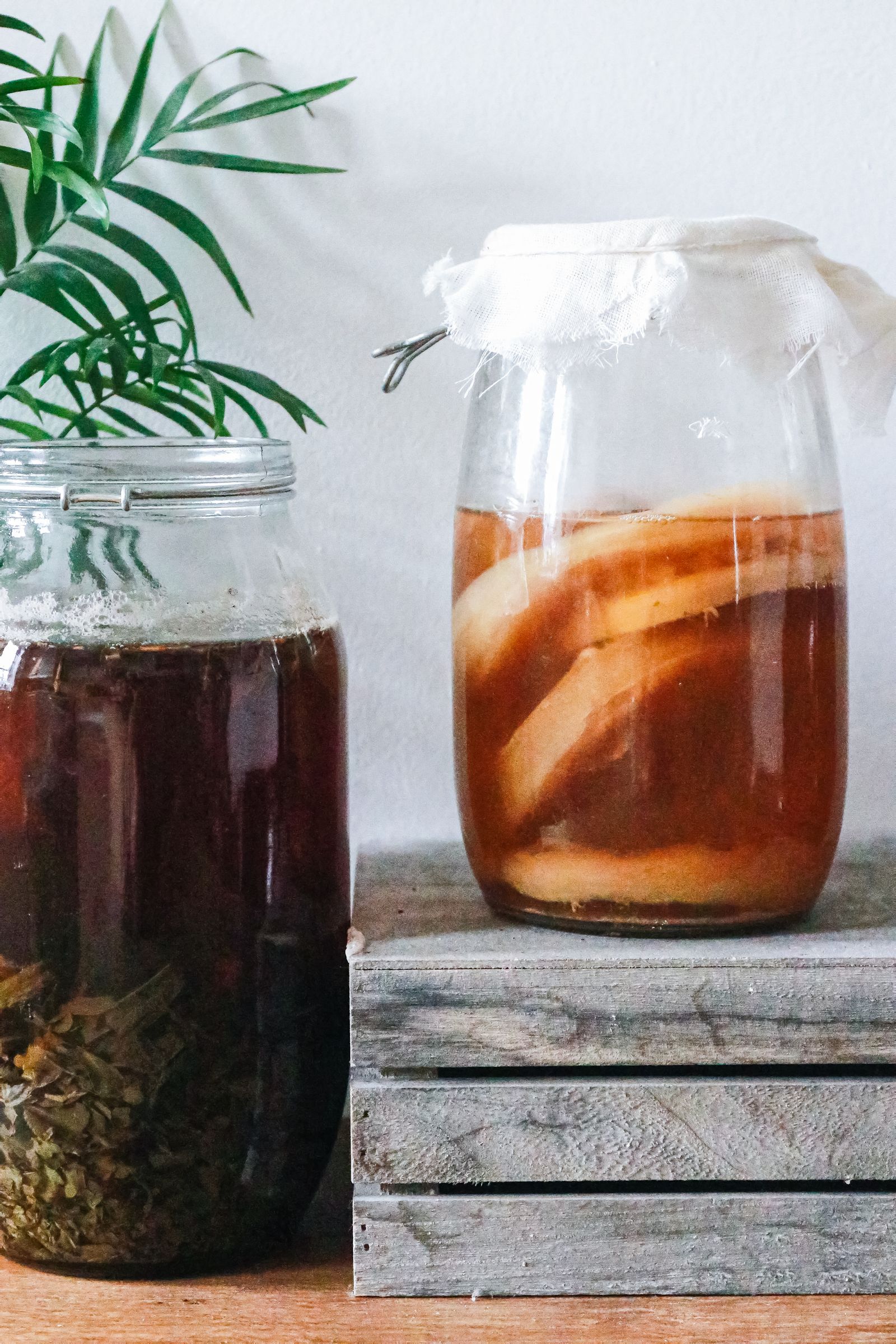
1. Cold-brew jugs. Tea leaves or bags steeped in cold water in the fridge for several hours. The slow, cold extraction pulls out less of the bitter tannins, so cold-brew tea is smoother and naturally sweeter-tasting than hot-brewed tea that has been chilled. It needs no equipment beyond a jug with a filter lid and fridge space.
2. Hot-brew and chill. Brew tea at double strength, then pour it over ice or chill it quickly. Faster than cold brew — ready in minutes — but more bitter if it sits, and it clouds if cooled slowly. Best for a meeting that needs iced tea within the hour.
3. Dispensers. A countertop dispenser with a tap, filled from a cold-brew or hot-brew batch. Convenient for a large office or event, but the dispenser is the part that needs the strictest cleaning (see below).
4. Concentrates and bag-in-box. Liquid tea concentrate diluted with chilled water, sometimes through a drinks machine. Consistent and quick. Check the label: many concentrates are pre-sweetened.
5. Bottled and canned iced tea. Ready to drink, sealed, no preparation. The most expensive per serving and often the sweetest; unsweetened and low-sugar versions exist and are the ones to stock.
For most offices of 30–150 people, the practical setup is one or two cold-brew jugs set up the evening before plus a small range of unsweetened or low-sugar bottled iced tea in the fridge for people who want one to take back to the desk.
How to make cold-brew tea
A starting ratio that works for most teas: about 8–10 g of loose tea (or 4–5 tea bags) per litre of cold, filtered water, steeped in the fridge.
- Green and white tea: roughly 6–8 hours.
- Black tea: roughly 8–12 hours — overnight is ideal.
- Herbal and fruit infusions: 8–12 hours; hibiscus colours and flavours the water quickly.
Remove the leaves or bags at the end of the steep, or the tea keeps extracting. Make it at the end of the day and it is ready when people arrive.
Good cold-brew teas for an office: a straightforward black tea (Ceylon or Assam), a green tea such as sencha, jasmine green, and caffeine-free options such as hibiscus, rooibos, mint and lemon verbena. The premium tea programmes guide covers sourcing, and the herbal teas range covers the caffeine-free side.
Food safety: the part most offices skip
Brewed iced tea is a prepared drink, not a sealed product, and it should be handled like one.
- Make cold brew in the fridge, never on the counter or in the sun. "Sun tea" brewed warm sits in the temperature range where bacteria grow.
- Keep it chilled and use it within the day. Label each jug with the time it was made and discard what is left at the end of the working day. Do not top up yesterday's jug.
- Clean the dispenser tap every day. The tap and spout of a tea dispenser are where residue and bacteria build up. Dismantle the tap, wash it and the container in hot soapy water, rinse and dry, every day it is used. This is the single most common failure on office tea dispensers.
- Use clean ice. Ice is food. Ice from a machine needs the machine cleaned on schedule; the pantry equipment maintenance guide covers ice machines.
- Lemon, mint and fruit go in the glass, not the batch. Cut fruit shortens the life of the whole jug.
These sit inside the wider rules in the food safety rules guide. The jugs, filter lids and dispensers come from the coffee and coffee machines range alongside the rest of the drinks equipment, and a pantry being built or refitted should plan fridge space for them — the office fit-outs and services range covers that.
Sugar, and the 2026 excise tiers
Unsweetened brewed iced tea has no sugar and is not an excise product. Bottled iced tea is a different matter.
Since 1 January 2026 the UAE taxes sweetened drinks on a tiered, volume-based model: no excise below 5 g of total sugar per 100 ml, a lower rate from 5 g to under 8 g, and a higher rate at 8 g and above. Many regular bottled iced teas sit in the upper two tiers, while unsweetened and "zero" versions fall below 5 g. The excise tax guide explains the tiers; the practical rule for the pantry is to read sugar per 100 ml on the label and favour products under 5 g, and to ask the supplier whether excise is already in the price.
For brewed iced tea, serve it unsweetened with sweetener on the side — a bottle of simple syrup, or the sachets from the coffee station — so people choose. The sugar, honey and sweeteners guide covers what to put on that tray, and the low-sugar pantry guide covers how to present the low-sugar default.
Caffeine
Iced tea has much less caffeine than coffee. A cup of hot-brewed black tea typically contains somewhere around 40–50 mg of caffeine, against roughly 80–100 mg or more for a cup of brewed coffee. Cold brewing extracts caffeine more slowly than hot water, so cold-brew tea is usually lower still, depending on the tea and steeping time.
That makes iced tea a good afternoon option, and caffeine-free infusions — hibiscus, rooibos, mint — a good choice for the late shift. The decaf and low-caffeine drinks guide covers the wider caffeine picture, and the herbal teas range covers the caffeine-free infusions.
The local favourites
Iced tea in the UAE is not only the lemon-black-tea format.
- Iced hibiscus (karkadeh) is popular across the region, naturally caffeine-free, and deep red.
- Mint lemonade is the default cold drink in many UAE cafés and is easy to offer beside the iced tea — ideally with sugar on the side.
- Iced karak is a café favourite; in an office it is simplest as chilled, pre-made karak served over ice. The karak chai guide covers the hot version.
- Iced green tea with mint is a lighter, lower-caffeine option.
Who drinks the most iced tea
- Tech, fintech and media offices in Dubai Media City, Dubai Silicon Oasis and elsewhere across Dubai tend to ask for cold-brew and craft iced teas as part of a broader cold-drinks request. See the fintech vertical.
- Creative studios in Dubai Design District treat a well-made cold-brew jug as part of the studio's hospitality.
- Real-estate and developer sales offices in Downtown Dubai, Dubai Marina and JLT offer iced tea to walk-in clients all summer. The real estate and property vertical covers that pattern.
- Event and exhibition teams around the Dubai World Trade Centre need large-batch iced tea for stands and hospitality suites, which is where dispenser hygiene matters most.
- Training centres and education offices in Dubai Knowledge Park serve iced tea at breaks as a cheap, low-caffeine alternative to soft drinks. The schools and universities guide covers that setting.
- Energy and aviation sites — see the oil, gas and energy vertical and the aviation and airport services vertical — rely on cold drinks for crews coming in from the heat. Water and electrolytes come first there (the summer hydration playbook covers it), with unsweetened iced tea as the flavoured option.
What it costs
Brewed iced tea is the cheapest flavoured cold drink an office can serve.
- Cold-brew or hot-brew from loose tea or bags: at 8–10 g of tea per litre, the tea itself costs well under AED 1–2 per litre for a good everyday black or green tea — typically AED 0.20–0.60 per 300 ml serving including lemon and ice.
- Concentrates: typically AED 0.50–1.50 per serving.
- Bottled or canned iced tea: typically AED 3–7 per bottle, before any excise on sweetened versions.
For planning, adding a daily cold-brew jug and a small bottled range to a 50-person office typically costs AED 5–15 per head per month in summer, falling in winter as people switch to hot drinks. The cost-per-employee guide shows where it sits in the overall budget, and the reduce pantry costs guide covers the swap from bottled drinks to brewed ones.
The short version
Iced tea is the cheapest good cold drink an office can serve and a useful low-caffeine alternative to coffee. Make cold brew in the fridge at about 8–10 g of tea per litre — 6–8 hours for green, 8–12 for black — date the jug and discard what is left at the end of the day. Clean dispenser taps daily. Serve it unsweetened with sugar or syrup on the side, and for bottled iced tea read sugar per 100 ml: under 5 g avoids the 2026 excise tiers. Add hibiscus, rooibos or mint for a caffeine-free option. Budget roughly AED 0.20–0.60 per brewed serving and AED 5–15 per head per month in summer.
MHO supplies loose and bagged teas through the herbal teas range, bottled drinks through the juices and waters range, and jugs and dispensers alongside the coffee and coffee machines range. Browse the full range by category, check every area we deliver to, see the sectors we supply, or talk to us about a cold-drinks programme for your office.
Frequently asked questions
How do you make cold-brew iced tea for an office? Use about 8 to 10 g of loose tea, or 4 to 5 tea bags, per litre of cold filtered water and steep it in the fridge — roughly 6 to 8 hours for green tea and 8 to 12 hours for black tea or herbal infusions. Remove the leaves at the end of the steep. Making it at the end of the day means it is ready in the morning.
How long can brewed iced tea be kept? Treat it as a prepared drink: keep it refrigerated, label the jug with the time it was made, and discard what is left at the end of the working day. Do not top up an old batch with a new one, and do not brew tea warm on a counter or in the sun.
How often should an iced tea dispenser be cleaned? Every day it is used. Dismantle the tap and spout, wash them and the container in hot soapy water, rinse and dry. The tap is where residue and bacteria build up, and it is the most commonly missed part of office dispenser hygiene.
Is bottled iced tea subject to excise tax in the UAE? Sweetened bottled iced tea can be. Since 1 January 2026 the UAE taxes sweetened drinks by sugar content: no excise below 5 g of sugar per 100 ml, a lower rate from 5 g to under 8 g, and a higher rate at 8 g and above. Unsweetened brewed iced tea is not an excise product. Check sugar per 100 ml on the label and ask the supplier whether excise is included in the price.
Does iced tea have less caffeine than coffee? Yes. A cup of hot-brewed black tea typically contains around 40 to 50 mg of caffeine, against roughly 80 to 100 mg or more for a cup of brewed coffee, and cold-brew tea is usually lower still because cold water extracts caffeine more slowly. Hibiscus, rooibos and mint infusions are caffeine-free.
How much does iced tea cost per serving for an office? Brewed iced tea made from good everyday tea typically costs AED 0.20 to 0.60 per 300 ml serving including lemon and ice, concentrates around AED 0.50 to 1.50, and bottled iced tea around AED 3 to 7 per bottle. A daily cold-brew jug plus a small bottled range typically adds AED 5 to 15 per head per month in summer for a 50-person office.