There is a conversation that does not happen in most UAE offices. Someone is managing type 2 diabetes, or has been told they are heading that way, and they spend every working day navigating a pantry that was stocked without a moment's thought for them. At 3pm the options are a chocolate biscuit, a sweetened juice, or nothing. So they take nothing, and then they buy something worse downstairs at four.
Diabetes prevalence in the UAE is high by international standards, and the population most affected — adults in their thirties, forties and fifties — is exactly the population sitting in corporate offices. Statistically, in any office of fifty people, several are managing blood sugar actively and several more are in the range where it matters. Almost none of them have said so to the person who orders the snacks.
This is not an argument for turning the pantry into a clinic. It is an argument that a pantry which only works for people with no dietary constraints is a pantry that quietly fails a meaningful share of the team every single afternoon. The good news is that fixing it is mostly a stocking and labelling problem, not a budget one — and done properly, it makes the pantry better for everyone rather than worse.
The failure mode: the health corner nobody touches
Most offices that try this get it wrong the same way. Someone adds a small selection of visibly "healthy" items — usually a diet drink, a sugar-free biscuit and a protein bar that tastes like its own packaging — puts them on a separate shelf, and calls it done.
Three things go wrong. The items are worse than the alternatives sitting next to them, so nobody chooses them. The separate shelf marks anyone taking from it, which is the last thing an employee managing a private health condition wants. And "sugar-free" is not the same as "suitable" — plenty of sugar-free products are heavily refined, sweetened with sugar alcohols that cause their own problems, or so low in fibre and protein that they do nothing at all for blood sugar stability.
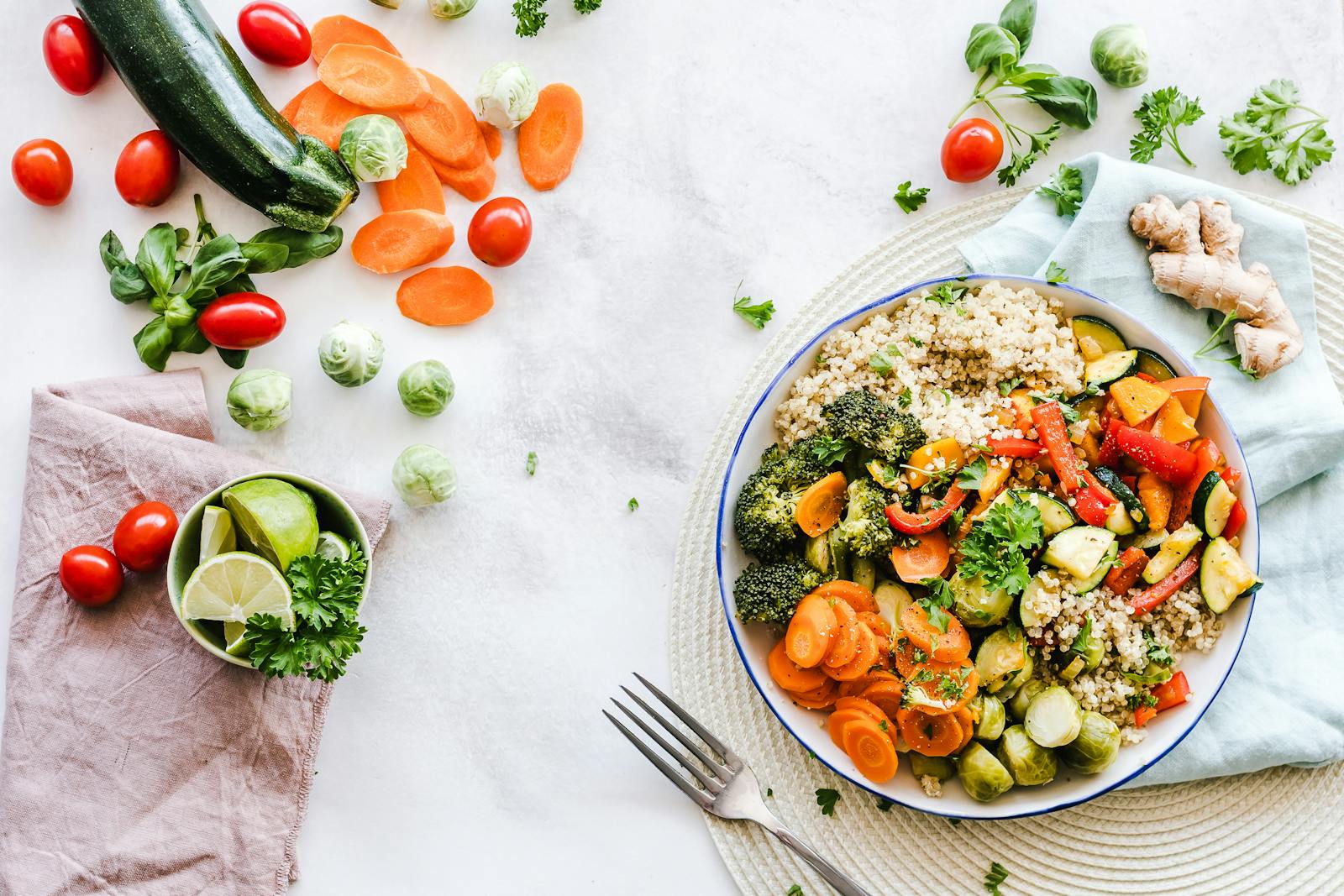
The better model is to change the default rather than add an alternative. Make the pantry's ordinary, unlabelled, everyone-eats-this stock lower in sugar and higher in protein and fibre, and keep the sweet items as a smaller, deliberate part of the mix rather than the entire mix. Nobody has to identify themselves to eat well, and nobody feels policed.
What actually stabilises blood sugar at a desk
The useful distinction is not sugar-free versus sugary. It is whether a snack delivers a fast glucose spike on its own, or arrives with enough protein, fat and fibre to slow absorption down.
That reframes the shopping list considerably:
Nuts and seeds are the single most useful category in an office pantry. Almonds, pistachios, walnuts, mixed unsalted nuts — protein, fat and fibre together, no added sugar, long shelf life, and genuinely popular rather than tolerated. Our nuts and seeds range is the backbone of most low-sugar pantry builds we run.
Whole fresh fruit, which behaves very differently from fruit juice. An apple or a pear comes with fibre and a physical structure that slows absorption; the same fruit as juice does not. Whole fruit is fine for most people managing blood sugar, in a way that juice is genuinely not. The office fruit delivery guide covers running a regular fruit programme, and cut fruit and veggies covers prepared formats for offices without a proper kitchen.
Unsweetened dairy and plant-based options — plain yoghurt, unsweetened milk alternatives, cheese portions. The sugar in a flavoured yoghurt frequently rivals a dessert; the plain version with nuts added is a completely different proposition. See dairy and plant-based milk.
Savoury options generally. Most pantries are overwhelmingly sweet, which is a habit rather than a decision. Roasted chickpeas, savoury crackers with seeds, olives, vegetable crisps and similar items give everyone a non-sweet route through the afternoon.
Higher-protein snacks. The protein snacks guide covers the category in detail. The rule of thumb worth applying: an item with meaningful protein and fibre will do more for afternoon energy than anything sold on its sugar content alone.
Dates, with a note. Dates are central to UAE workplace hospitality and there is no version of this guide that removes them, nor should there be. They are high in sugar but also high in fibre, and they are typically eaten in ones and twos alongside coffee rather than by the handful. For most people they are unremarkable; for someone counting carbohydrate closely they are worth knowing about, which is an argument for labelling rather than removal. The Arabic coffee and dates hospitality guide covers doing this well.
For the sweet side of the range, low-sugar treats covers the items that give people something genuinely enjoyable without a 30-gram sugar load, and the nutritionist-approved snack list is a ready-made starting stock list.
Drinks are where most of the sugar is
If you only change one thing, change the drinks. A single sweetened beverage can carry more sugar than everything else an employee eats from the pantry that day, and the drinks fridge is usually the least examined part of the whole programme.
Three practical moves:
Make plain water genuinely the easiest option. Not the thing you have to walk furthest for. Chilled, accessible, at the point where people already are. The water cooler versus bottled water comparison covers the delivery formats and their trade-offs.
Give people flavour without sugar. This is the move that actually works, because the demand being met by soft drinks is usually "something that isn't plain water" rather than "something sweet". Sparkling water, unsweetened iced tea, herbal infusions and fresh fruit or mint in a water dispenser all satisfy it. Herbal teas and premium tea programmes cover the range; the functional drinks guide covers reading the label on things marketed as healthy, several of which are not.
Understand what juice actually is. Fruit juice, including 100% pure juice with nothing added, delivers sugar without the fibre that came with the fruit. It is not a health item in a blood-sugar context, and it is frequently stocked as though it were. Keep it, in smaller volume, alongside whole fruit rather than instead of it.
There is a commercial argument here too. UAE excise tax applies at 50% on carbonated and sweetened drinks and 100% on energy drinks, so a pantry that leans heavily on those is materially more expensive to run — the excise tax guide sets out the mechanics. Reducing sweetened-drink volume improves the health outcome and the cost line simultaneously, which is a rare combination in this category.
And in summer, hydration volume rises across the board. If that additional volume is met with sweetened drinks, total sugar intake rises sharply for several months. The summer hydration playbook and the corporate hydration policy guide cover sizing the summer uplift with unsweetened options.
Labelling is the part people skip, and it is the part that matters
An employee managing blood sugar needs one thing from the pantry that most pantries do not provide: information. Not encouragement, not a wellness campaign — the actual sugar and carbohydrate content of what is in front of them.
In practice this means:
- Keep items in original packaging where the nutrition panel is readable, or provide the equivalent information at the point of decant. A snack in an unmarked jar is unusable for anyone tracking intake.
- Label the shelf, not the person. A small card showing sugar per serving in front of each item is neutral, useful to everyone, and requires nobody to ask.
- Cover allergens at the same time. You are already touching the labelling; the allergen and dietary labelling guide covers doing it once properly, including the UAE requirements around imported products and Arabic labelling.
- Do not rely on front-of-pack claims. "No added sugar", "natural", "wholesome" and "light" are marketing terms. The nutrition panel is the only thing worth reading, and the useful figure is sugar per serving alongside fibre and protein.
This also happens to be the cheapest intervention in the entire guide. It costs a laminator and an afternoon.
Ramadan, and the seasons that change everything
Two points in the UAE calendar deserve specific attention.
Ramadan changes eating patterns completely for fasting colleagues, and blood-sugar management during a fast is a genuinely delicate matter — many people with diabetes fast, often after discussing it with a doctor, and the composition of what is available at iftar and suhoor matters more than usual. A pantry that offers only dates and sweets at sunset is not helping. Whole fruit, nuts, dairy and savoury options alongside the traditional items give people a workable choice. The healthy fasting at work guide covers this in depth.
The Eid and gifting seasons run heavily to sweets, and corporate gifting compounds it — offices frequently receive more confectionery in two weeks than they buy all year. It is not a problem to solve so much as one to anticipate: keep the standing pantry stock unchanged rather than replacing it with the gift boxes, so that the everyday alternative still exists during the weeks it is most needed.
Getting the office on board without a wellness lecture
The failure mode of any workplace health initiative is that it reads as management telling adults what to eat. A few things keep it from landing that way:
Frame it as choice, not restriction. You are widening the range, not policing it. Chocolate does not need to disappear for nuts to appear next to it.
Never single anyone out. No named shelves, no "diabetic section", no sign-up list. The whole point is that the default stock works, so nobody has to declare anything.
Ask before you change everything. A short anonymous poll on what people actually want gets you better stock decisions and removes the sense of a policy being imposed. The pantry policy template covers writing the small amount of this that should be written down.
Move gradually. Shifting the ratio over a couple of restock cycles works. Emptying the pantry of everything sweet overnight produces a desk-drawer economy and a lot of resentment.
Keep quality high. The most common reason healthier stock fails is that it was bought on price. A good almond is a genuinely nice thing to eat; a stale one confirms every suspicion people had. This is the whole game, and it is worth the extra dirhams per kilo.
What it costs, and what it returns
Low-sugar stocking is broadly cost-neutral to slightly positive. Nuts and quality protein snacks cost more per kilo than biscuits; sweetened drinks carry 50% to 100% excise tax that unsweetened alternatives do not; and higher-satiety snacks are consumed in smaller quantities because they actually work. In most of the programmes we run, the categories roughly offset.
The return is harder to put on an invoice and easier to observe. Fewer people leaving the building at 4pm for a sugar run. Less of the mid-afternoon slump that follows a spike. And an employee managing a chronic condition finding, without ever having to mention it, that their workplace is not making it harder. The ROI of a healthy pantry covers the productivity argument, the employee retention guide covers the people one, and the WELL certification guide covers how nutrition standards are formally assessed if you are pursuing certification.
If you are starting from scratch, the new office pantry setup checklist and the healthy office snacks guide are the natural companions to this one.
The single most effective substitution on the drinks side is chilled sparkling water, because it meets the after-lunch craving for cold and fizz without any of the sugar and without a policy; the sparkling water guide covers the formats and the excise line between plain and sweetened.
The energy drink shelf is usually the highest-sugar line in the fridge per serve and the one most concentrated in a few heavy users; the energy drinks guide covers the week-long fridge audit and why sugar-free, 250 ml only is the minimum if the line stays.
The tax now points the same way as the health case: under the 2026 tiered excise a zero-sugar soft drink is cheaper than the regular version by the full excise amount, and the office soft drinks guide covers how to make it the fridge default without removing the category.
Chocolate is the line where this policy is tested every afternoon, and the office chocolate and sweets guide sets out a portion ceiling, a dark-by-default rota and a labelled sugar-free option that keep the bowl without the crash.
The sweetener tray on the coffee station is where the low-sugar default is won or lost, and the sugar, honey and sweeteners guide covers which zero-calorie options to stock, what the labels mean and how to offer them as a choice rather than a health claim.
For variety through the year, the seasonal fruit calendar lists which fruit is in season each month and how to store and serve it.
World Diabetes Day on 14 November is a good moment to test these changes, and the World Diabetes Day office event guide covers what to serve, screening and a low blood sugar kit.
The short version
Stop building a health corner and start changing the default. Make nuts, whole fruit, unsweetened dairy and savoury options the ordinary pantry stock rather than the alternative, and keep sweet items as a smaller deliberate share. Fix the drinks fridge first, because that is where most of the sugar is and where excise tax makes the change pay for itself. Label sugar per serving on the shelf so nobody has to ask. Handle Ramadan and gifting season deliberately. And introduce it as a wider choice rather than a restriction, because the version that feels like a lecture is the version that fails.
My Healthy Office builds managed pantry programmes for UAE offices, including low-sugar and dietary-inclusive stock lists, clear labelling and a range that people actually choose. To review what your pantry currently offers the people managing blood sugar in your team, get in touch with our team.
Frequently asked questions
How do I stock an office pantry for employees with diabetes without singling them out? Change the default stock rather than adding a separate section. If nuts, whole fruit, unsweetened dairy and savoury options are simply part of the ordinary pantry, anyone managing blood sugar can eat well without identifying themselves to anyone. A labelled "diabetic shelf" does the opposite — it marks whoever takes from it, which is precisely why those shelves go untouched in most offices.
Are sugar-free snacks actually better for blood sugar? Not reliably. "Sugar-free" describes what was left out, not what is there — many such products are heavily refined, low in fibre and protein, or sweetened with sugar alcohols that cause digestive problems for some people. What actually stabilises blood sugar is protein, fat and fibre arriving with the carbohydrate. A handful of almonds outperforms most sugar-free biscuits on that measure, and tastes better.
Is 100% fruit juice a healthy option for an office pantry? It is not equivalent to fruit. Juicing removes the fibre and the physical structure that slow sugar absorption, so even pure unsweetened juice delivers a fast glucose load. It is commonly stocked as though it were a health item. Keep it in smaller volume if people want it, but stock whole fruit alongside rather than instead — the whole fruit is what actually works for someone managing blood sugar.
What should we change first if we can only change one thing? The drinks. A single sweetened beverage can carry more sugar than everything else someone eats from the pantry that day, and the drinks fridge is usually the least scrutinised part of the programme. Make chilled plain water the most convenient option, and meet the demand for flavour with sparkling water, unsweetened iced tea and herbal infusions rather than soft drinks.
Does a low-sugar pantry cost more to run in the UAE? Roughly the same, and sometimes less. Nuts and quality protein snacks cost more per kilo than biscuits, but UAE excise tax adds 50% to carbonated and sweetened drinks and 100% to energy drinks, so shifting the beverage mix recovers most of the difference. Higher-satiety snacks are also consumed in smaller quantities, because they do the job people were reaching for a second biscuit to do.
Should we remove dates from the pantry? No. Dates are central to UAE workplace hospitality, they are high in fibre as well as sugar, and they are typically eaten in ones and twos with coffee rather than by the handful. For most people they are unremarkable. For someone counting carbohydrate closely they are worth knowing about — which is an argument for labelling the sugar content, not for removing them.
How do we label pantry items usefully without creating a lot of work? Keep items in original packaging where the nutrition panel is readable, and put a small card in front of each item showing sugar per serving. Label the shelf, not the person. Do it at the same time as allergen labelling so the whole job happens once. It is the cheapest intervention available here and the one employees managing a condition value most, because it removes the need to ask anyone.
What changes during Ramadan for employees managing blood sugar? The eating window moves entirely to suhoor and iftar, and composition matters more than usual — many people with diabetes fast, typically after discussing it with a doctor. A pantry that offers only dates and sweets at sunset is not much help. Stock whole fruit, nuts, dairy and savoury options alongside the traditional items so there is a workable choice, and keep the everyday stock in place through the gifting season rather than replacing it with confectionery.