World Diabetes Day is held every year on 14 November. It was created by the International Diabetes Federation (IDF) and the World Health Organization in 1991 and became an official United Nations day in 2006. The date marks the birthday of Frederick Banting, who co-discovered insulin. Its symbol is a blue circle.
In 2026, 14 November falls on a Saturday, so most UAE offices will mark it on Thursday 12 or Friday 13 November. For HR and office managers, it is one of the most relevant awareness days of the year. The IDF estimates that around one in six adults in the UAE lives with diabetes, and a large share of people with type 2 diabetes do not yet know they have it. In most offices, several colleagues are affected, directly or through family.
A good World Diabetes Day event is short, practical and respectful. This guide covers what to serve, how to run screening properly, what to keep on hand, and which changes are worth keeping after the day.
Start with what the day is for
The aim is not to lecture anyone about cake. A useful office event does three things:
- Raises awareness of the risk factors and early signs of type 2 diabetes, so people get checked.
- Supports colleagues who already live with diabetes, by making the workplace easier for them.
- Leaves the pantry better than it was, with options that suit everyone.
Keep the tone positive. Use "person with diabetes" rather than "diabetic", avoid jokes about sugar, and never single anyone out. Not everyone wants their colleagues to know about their health.
What to serve
The food on the day should show that lower-sugar options can be appealing, not a punishment. Focus on whole foods with fibre, protein and healthy fats, which raise blood sugar more slowly than sweets and white bread.
Good choices:
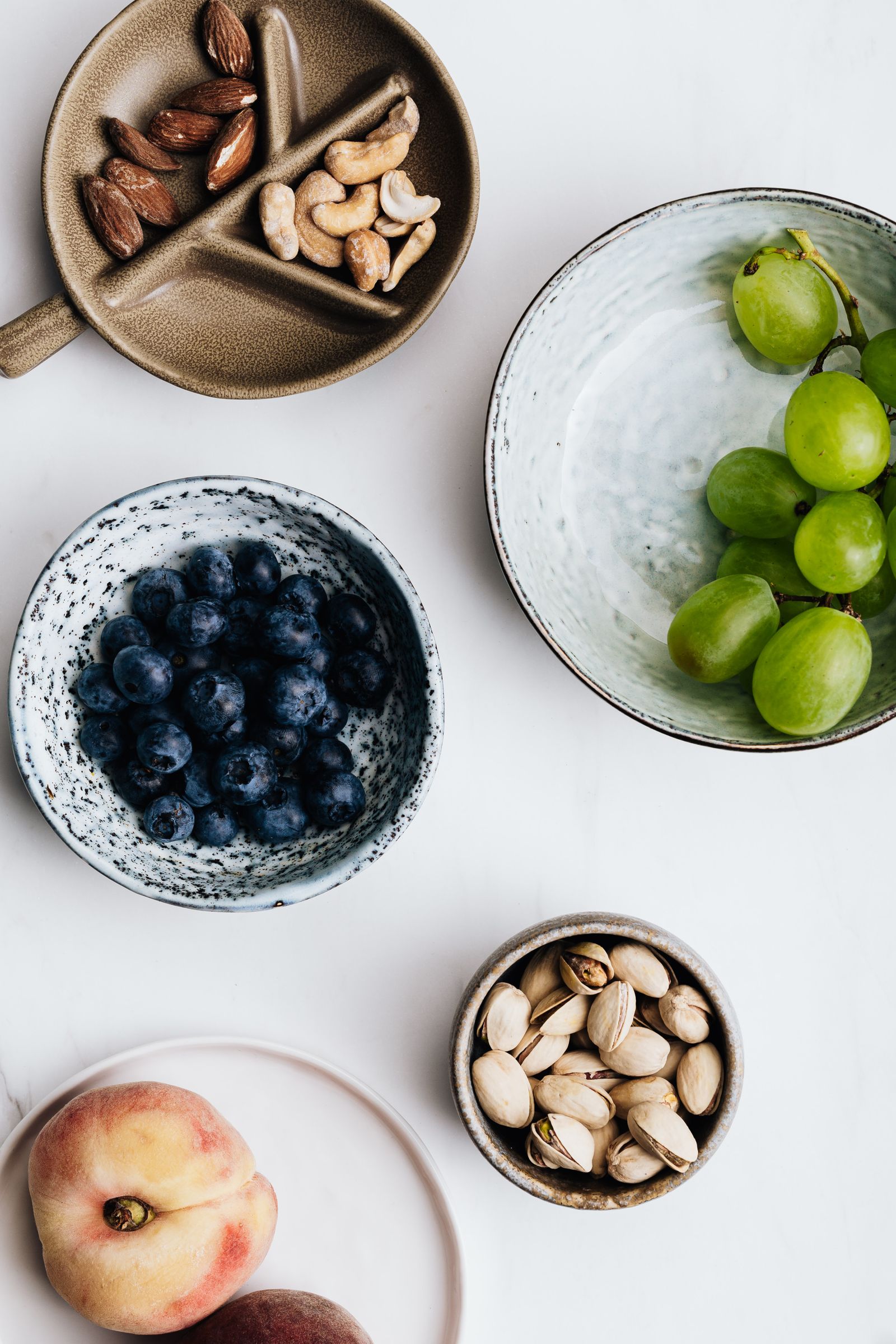
- Whole fruit rather than juice. A fruit platter or a bowl of apples, oranges, berries and pears. The fruit and cut vegetables range covers platters and seasonal fruit, and the seasonal fruit calendar shows what is good in November.
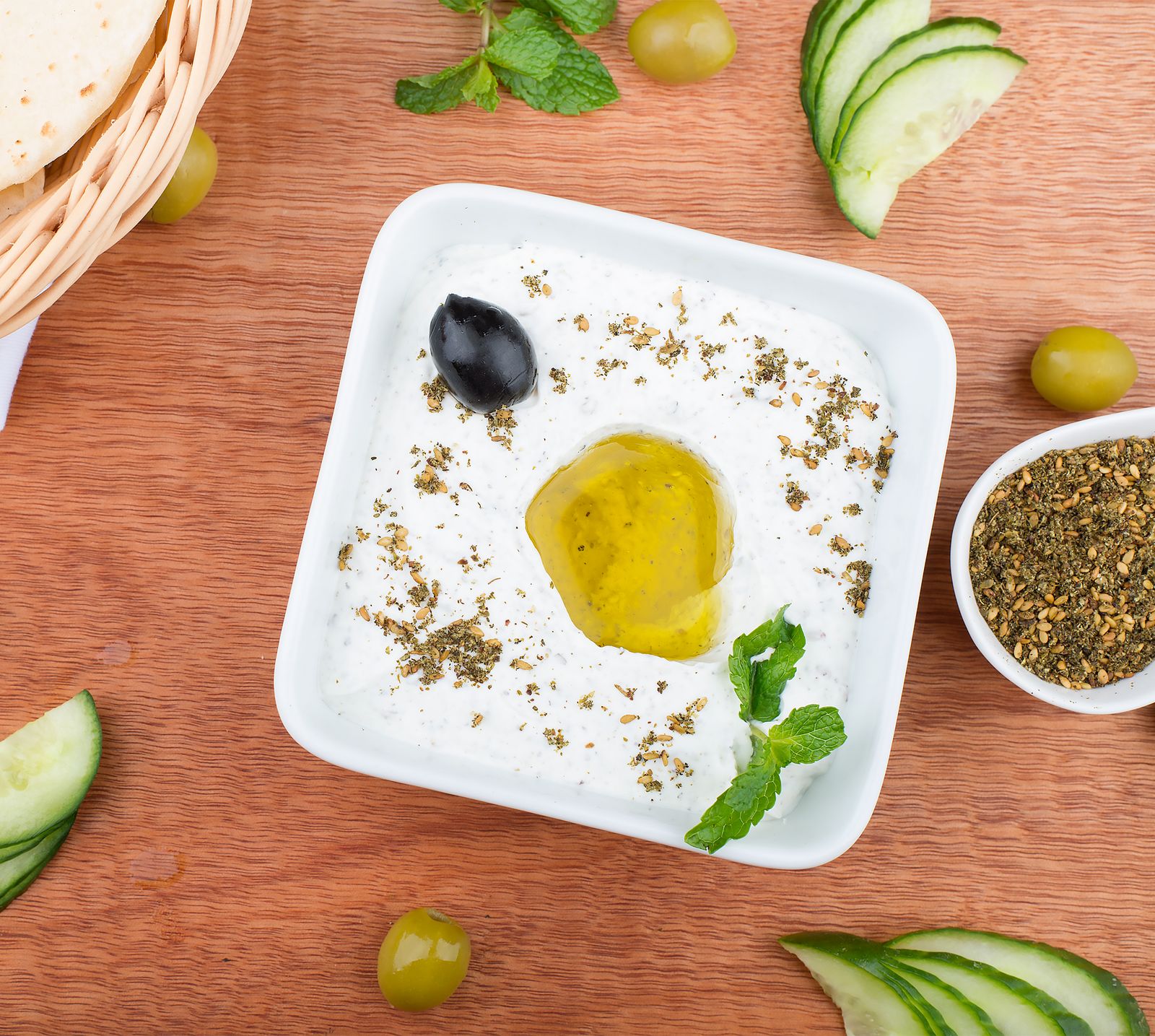
- Vegetables and dips. Crudités with hummus or a yoghurt dip. The salads and crudités guide covers safe serving.
- Nuts and seeds in small portions. Almonds, pistachios and mixed nuts. Label them clearly for colleagues with nut allergies. The nuts and seeds guide has portion sizes.
- Plain Greek yoghurt or labneh with a little fruit.
- Dates in small portions. Dates are part of UAE hospitality, but a large date can carry around 15–18 g of sugar. One or two, paired with nuts, are a reasonable portion.
- A small amount of dark chocolate for those who want something sweet.
Drinks:
- Still and sparkling water, with fruit or herbs for flavour. The infused water station guide explains how.
- Unsweetened tea, herbal infusions and coffee.
- Zero-sugar soft drinks for those who want them. The zero-sugar sodas guide covers the options.
Label carbohydrates per portion if you can. Colleagues with type 1 diabetes, and some with type 2, count carbohydrates to match their insulin dose. A small card next to each item with the approximate carbohydrate content per portion is genuinely useful to them, and interesting to everyone else.
Avoid making the spread entirely "diet" food. A mix of familiar items and lower-sugar swaps works better than a table of products nobody would normally choose.
Run screening properly, or not at all
Many companies invite a clinic or health provider to offer quick checks on the day, such as a finger-prick blood glucose or HbA1c test, blood pressure and weight. This can be valuable, because it reaches people who would not otherwise get tested. It must be done carefully.
- Use a licensed provider. Health services in Dubai are licensed by the Dubai Health Authority, in Abu Dhabi by the Department of Health, and in the other emirates by the Ministry of Health and Prevention. Ask for the provider's licence.
- Make it voluntary. No pressure, no attendance lists, no managers watching.
- Keep results confidential. Results go to the employee only, not to HR or their manager. Health data is sensitive personal data under UAE data protection rules, so the provider should hold it, not the company.
- Provide a private space, not a desk in the open-plan area.
- Make sure there is a next step. A screening result is not a diagnosis. The provider should explain what a result means and refer people to a doctor if needed.
If a clinic visit is not practical, a short validated risk questionnaire, completed privately, is a simple alternative. It covers age, family history, waist size, activity and blood pressure, and tells people whether they should get tested.
Keep a low blood sugar kit
Colleagues who take insulin or certain diabetes tablets can experience low blood sugar (hypoglycaemia). Signs include shaking, sweating, confusion, irritability and paleness. It needs fast-acting sugar straight away.
The common guidance is the "15–15 rule": take about 15 g of fast-acting carbohydrate, wait 15 minutes, then check again. Examples of 15 g:
- About 120–150 ml of regular fruit juice or non-diet soft drink.
- Glucose tablets, following the pack.
Keep a few small cartons of regular juice and a pack of glucose tablets in a known place, such as the first aid kit, and make sure first aiders know where they are. Diet and zero-sugar drinks do not work for a hypo. This is one of the few situations where the office needs regular sugar on hand. If someone is unconscious or cannot swallow, call emergency services on 998 and do not give food or drink.
The person with diabetes usually knows exactly what they need. Ask them, and follow their lead.
Support colleagues who live with diabetes
The day is a good moment to check that everyday working arrangements are fair:
- A private place to test blood sugar or inject insulin, other than a toilet.
- Fridge space for insulin or medication if needed, in a clean area, labelled.
- Regular breaks and the freedom to eat at the desk when needed.
- Meeting snacks that include a lower-sugar option, so a long meeting is not a choice between pastries and nothing.
- Flexibility for medical appointments.
Ramadan is also worth mentioning. It is expected to begin around 8 February 2027, and people with diabetes who plan to fast are advised to speak to their doctor several weeks before. The Ramadan fasting at work guide covers the office side.
Add movement to the day
Physical activity is one of the most effective ways to lower type 2 diabetes risk. Simple ideas:
- A lunchtime walk, or a "walking meeting" challenge.
- A stairs-not-lifts day.
- A step challenge for the week, by team rather than individual, so nobody feels exposed.
- A short talk from a dietitian or doctor about risk factors and early signs.
November weather in the UAE is pleasant enough for an outdoor walk at lunchtime, which makes this a good month for it.
Pantry swaps worth keeping
The real value of the day is what happens on 15 November. Use the event to test lower-sugar options, then keep the ones people liked.
| Instead of | Try |
|---|---|
| Pastries at every meeting | A fruit platter plus a small plate of pastries |
| Sweetened juice | Whole fruit, infused water, sparkling water |
| Biscuits by the kettle | Nuts, oatcakes or a small portion of dark chocolate |
| Sugar sachets only | Sugar plus a non-nutritive sweetener option |
| Sweet granola bars | Bars with less added sugar and more fibre, or nuts |
The low-sugar and diabetic-friendly pantry guide covers permanent changes in detail. The low-sugar treats range and the office snacks range cover the products, and the snack bars guide explains how to compare sugar and fibre on labels.
For the event itself, the breakfast and corporate events range covers platters and catering, and the juices and waters range covers drinks.
World Diabetes Day across industries
Every sector can take part, but the emphasis changes. Desk-heavy teams in law firms, consultancies, banks and financial services, fintech and family offices benefit most from movement challenges and meeting-snack swaps. Tech companies and startups, media and creative agencies and coworking spaces often run step challenges and talks. Government and public sector entities frequently host screening days, and schools and universities use the day for staff and student awareness.
Shift-based and site teams need a different plan. Logistics and freight, construction and engineering, manufacturing and industrial, oil, gas and energy and aviation and airport services teams should keep a hypo kit on every site and shift, not just at head office. Healthcare clinics and hospitals and pharmaceutical and life sciences companies can often provide screening in-house, and real estate and property firms with large field teams can run the event across offices on the same day. Retail and e-commerce teams on rotating shifts benefit from snack swaps in the break room. The industries page covers pantry services for each sector.
Events in Abu Dhabi
MHO supplies wellness events across Abu Dhabi. Financial firms in ADGM and offices on Al Reem Island tend to order individual fruit and nut portions for screening days. Cultural and education organisations on Saadiyat Island and teams on Yas Island often combine the day with an outdoor walk. Companies in Masdar City like low-waste platters, and workshops and warehouses in Mussafah set up snacks and water for early shifts.
The short version
- World Diabetes Day is 14 November, a Saturday in 2026, so mark it on 12 or 13 November.
- Serve whole fruit, vegetables, nuts, yoghurt and water, with small portions of dates and dark chocolate. Label carbohydrates per portion if you can.
- Screening must be voluntary, confidential and run by a licensed provider, with results going to the employee only.
- Keep regular juice cartons and glucose tablets in the first aid kit for low blood sugar. Diet drinks do not help.
- Check that colleagues with diabetes have a private place to test or inject, fridge space and flexible breaks.
- Add movement, such as walks or team step challenges.
- Keep the pantry swaps people liked after the day.
MHO supplies fruit platters, nuts, low-sugar snacks and drinks to offices across the UAE. Talk to the team about catering a World Diabetes Day event or making lasting pantry changes.
Frequently asked questions
When is World Diabetes Day 2026? World Diabetes Day is on 14 November every year. In 2026 it falls on a Saturday, so most UAE offices will mark it on Thursday 12 or Friday 13 November.
What food should we serve at a World Diabetes Day office event? Whole fruit, vegetables with hummus, small portions of nuts, plain yoghurt, water and unsweetened drinks, plus small portions of dates and dark chocolate. Label carbohydrates per portion for colleagues who count them.
Can we offer blood sugar screening at work? Yes, through a licensed health provider. Screening must be voluntary, done in a private space, and results must go only to the employee, not to HR or managers.
What should the office keep for a colleague with low blood sugar? A few small cartons of regular fruit juice and glucose tablets, kept in the first aid kit. About 15 g of fast-acting sugar is the usual first step. Diet drinks will not help. If the person cannot swallow, call 998.
Are dates suitable for people with diabetes? In small portions. A large date can contain around 15–18 g of sugar, so one or two dates eaten with nuts or as part of a meal is a reasonable portion. People with diabetes should follow their own medical advice.
How can we support colleagues with diabetes every day? Provide a private place to test blood sugar or inject insulin, fridge space for medication, regular breaks, flexibility for appointments, and at least one lower-sugar option at meetings and in the pantry.
Should the office stop buying sweets after World Diabetes Day? No. Keep familiar treats, but make lower-sugar options easy to find and keep the swaps colleagues liked. Balance works better than bans.