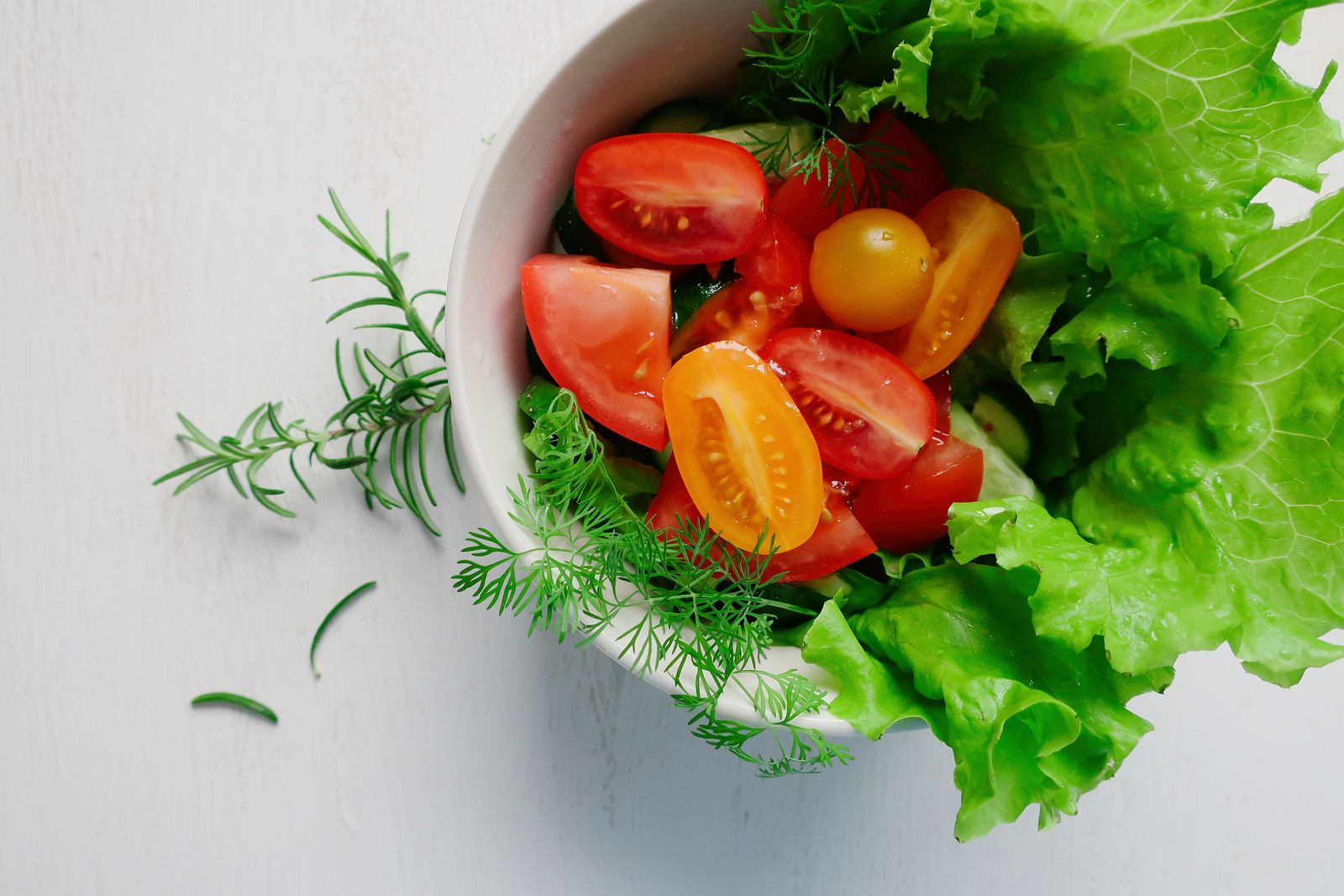
Ask staff what they would like more of in the pantry and "something fresh" comes up every time. Biscuits, crisps and chocolate are easy to stock; vegetables are not. Yet a fridge with sealed salad bowls and a tray of carrot and cucumber sticks is one of the clearest signals an employer can send about staff health, and it is often the change people mention when they talk about the pantry.
Fresh salads are also the most perishable thing an office can offer. Leaves wilt in hours, cut vegetables dry out, and leafy greens are a known source of food poisoning when they are handled badly. This guide covers what to stock, how to keep it safe in UAE heat, and how much to order so that little is thrown away.
What to stock
| Product | Format for an office | Keeps | Notes |
|---|---|---|---|
| Ready-to-eat salad bowls | Sealed, single-portion, dressing on the side | 1 to 3 days, chilled | The simplest option; dated by the supplier |
| Crudités | Carrot, cucumber, pepper, celery sticks, cherry tomatoes, in sealed tubs | 2 to 4 days, chilled | Pair with hummus or a yoghurt dip |
| Bagged ready-to-eat leaves | Washed salad leaves for a staffed pantry | Use-by on the bag; 1 to 2 days once opened | Do not rewash |
| Whole vegetables | Cucumbers, cherry tomatoes, baby carrots, snack peppers | Several days | Lowest cost; staff wash and eat |
| Regional salads | Tabbouleh, fattoush, fattoush kits, chickpea salad | 1 to 2 days, chilled | Keep bread separate until serving |
| Grain and protein bowls | Quinoa, lentil, chickpea, chicken or halloumi salads | 1 to 3 days, chilled | A full lunch, not a snack |
For most offices, the best start is whole snacking vegetables that need no cutting (cherry tomatoes, baby cucumbers, baby carrots, snack peppers) plus a small daily order of sealed salad bowls for people who want lunch. Cut crudités and regional salads come next once you know what is eaten.
Sealed bowls, not a self-serve salad bar
A salad bar looks generous. In an open office pantry it is a food-safety problem: many hands, shared tongs, sneezes, leaves sitting at room temperature through lunch, and no one responsible for throwing it away at 2 pm. Restaurants run salad bars with ice beds, sneeze guards, staff and strict time limits; an office usually has none of these.
Use sealed single portions instead. They stay cold in the fridge until someone takes one, carry a use-by date and allergen label, and make it obvious how many are eaten. If you do want a shared platter for a meeting or an event, put it out on ice, give it a person who is in charge of it, and clear it within two hours. The corporate breakfast and meeting catering guide covers serving platters for meetings.
Keeping it safe in UAE heat
Leafy greens and cut vegetables are eaten raw, so there is no cooking step to kill bacteria. Outbreaks linked to leafy greens are reported every year in many countries. The risk in an office is mostly about what happens after delivery.
- Keep everything at 5 °C or below from delivery until it is eaten. Put salads in the fridge first, before unpacking the rest of the order.
- The two-hour rule. Cut vegetables and salads should not be out of the fridge for more than two hours in total, and only one hour when the room is above about 32 °C, as it can be on a terrace, in a car or near a window in summer.
- Do not rewash ready-to-eat leaves. Bagged salads labelled "washed" or "ready to eat" have already been washed under controlled conditions. Rewashing them in an office sink adds a chance of contamination from the sink, the colander and hands, and does not make them safer.
- Do wash whole vegetables under running water before eating, even if they will be peeled. A sign by the sink helps.
- Avoid raw sprouts such as alfalfa and bean sprouts in a shared pantry. They are grown in warm, moist conditions that suit bacteria and are a higher-risk food.
- Throw away, do not trim. A slimy leaf or a soft patch on a cut vegetable means the tub goes in the bin.
The food safety rules guide covers fridge temperature logs and who checks them, and the fruit delivery guide covers the same rules for cut fruit.
Dressings and dips
Dressing is what turns a salad soggy, so it should always be on the side, in a portion pot.
- Vinaigrettes keep well and are the simplest choice. Many contain mustard, which is an allergen.
- Tahini and sesame dressings are common in regional salads. Sesame is one of the more common allergies, so label it clearly.
- Mayonnaise-based salads (coleslaw, potato salad, egg salad) are more perishable than leaf salads. Keep them strictly chilled and short-dated.
- Hummus, labneh and yoghurt dips make crudités into a proper snack. The chilled snacks guide covers dips and their shelf life.
- Olive oil, lemon and za'atar in sealed portions are a simple, regional choice. The condiments and pantry staples guide covers oil, vinegar and spreads.
Watch the salt and sugar in ready-made dressings. Some contain more sugar per portion than people expect.
Allergens and dietary needs
Salads look safe for everyone, which is why allergens in them are easy to miss. Common ones:
- Nuts and seeds in toppings: walnuts, pine nuts, sesame, sunflower seeds.
- Celery in crudités, and mustard in dressings. Both are on the EU list of 14 major allergens, which many suppliers follow.
- Gluten in croutons, fattoush bread, couscous and bulgur. Tabbouleh is made with bulgur wheat, so it is not gluten-free.
- Milk and egg in cheese toppings, creamy dressings and egg salads.
Each sealed bowl should carry an ingredient and allergen label; ask the supplier to confirm it. The allergen and dietary labelling guide shows how to label the fridge, and the gluten-free pantry guide covers cross-contact.
For vegetarian and vegan staff, salads are often the main lunch option, so include at least one bowl with a plant protein such as chickpeas, lentils, beans or falafel. Products from the meat alternatives range and the plant-based pantry guide give more choice. Meat and chicken toppings must be halal; the halal compliance guide covers certificates.
How much to order
Fresh vegetables are the line most likely to be wasted. Order for the days people are actually in the office, order often, and adjust after a few weeks.
A common reference point is that one portion of vegetables is about 80 g, and health guidance suggests at least five portions of fruit and vegetables a day. An office will not provide all of that, but a portion or two a day for the people who want it is realistic.
| Office | Starting order per in-office day |
|---|---|
| 20 people, hybrid | 3 to 5 sealed salad bowls, 1 kg of snacking vegetables |
| 50 people, mostly in office | 8 to 15 salad bowls, 2 to 3 kg of snacking vegetables, 2 to 3 tubs of crudités |
| Site or shift team of 50 | 15 to 25 salad bowls across shifts, 3 kg of snacking vegetables |
Deliver little and often. Two or three deliveries a week, or daily for salad bowls, waste far less than one large weekly order. Ask for a Sunday or Monday delivery to match the start of your office week, and nothing on days when most people work from home. The hybrid work pantry planning guide explains how to order for attendance.
Track waste for a month. Count what is thrown away each Thursday and cut the slowest line. The food waste guide shows a simple waste log.
Cost
Whole snacking vegetables are the cheapest way to offer something fresh: typically a few dirhams per person per week. Ready-cut crudités cost more, because you are paying for the cutting and the shorter shelf life. Sealed salad bowls are a lunch item, and offices either fund them fully, subsidise them, or offer them in an honesty box. The cost per employee guide helps set a budget, and the corporate tax guide covers how staff refreshments are treated.
Many UAE salad vegetables, such as cucumbers, tomatoes, leafy greens and herbs, are now grown locally, including in hydroponic and vertical farms. Local produce often arrives fresher and lasts longer in the fridge. Ask your supplier where the vegetables come from.
Equipment and the fridge
- A fridge at 5 °C or below with a thermometer, and a shelf kept for fresh salads. Do not overload it: cold air needs to circulate.
- A handwash sink with soap near the pantry, and a separate sink or bowl for washing whole vegetables if staff will do that.
- Plates, bowls and cutlery so people do not eat from shared tubs.
- A bin with a lid for food waste, emptied daily.
If you are planning a new pantry or upgrading an old one, fridge space for fresh food is the thing most often under-specified. The pantry and breakroom design guide covers layout, and the office fit-outs and services range covers installation. Cleaning the fridge, handwash stations and counters is covered by the facility hygiene range.
Where fresh salads matter most
- Tech and fintech. Tech companies and fintech firms in Dubai Internet City and Dubai Silicon Oasis often treat a fresh lunch option as a standard perk.
- Coworking spaces. In coworking spaces, including those in Dubai Marina, sealed bowls with clear labels work because many members share the same fridge.
- Healthcare and life sciences. Pharmaceutical and life sciences teams in Dubai Science Park and clinics in Dubai Healthcare City are used to strict cold-chain rules and expect them in the staff fridge.
- Creative agencies. Media and creative agencies, including studios in Al Quoz, work long, irregular days where a fresh option beats another delivery order.
- Sites, warehouses and plants. Logistics and freight, construction and engineering and manufacturing teams, in areas such as Mussafah, work in heat where salty, heavy food makes the afternoon harder; cucumbers, tomatoes and water-rich vegetables help.
- Aviation. Aviation and airport services crews around Dubai South work shifts at hours when nothing fresh is open nearby.
- Campuses. Staff rooms on campuses in Dubai Knowledge Park, on Saadiyat Island and on Yas Island, and sustainability-focused offices in Masdar City, often ask for locally grown produce.
MHO delivers fresh and chilled food alongside the rest of the office pantry across Abu Dhabi, Dubai and the other emirates.
The short version
- Start with whole snacking vegetables and a small daily order of sealed salad bowls.
- Use sealed single portions rather than a self-serve salad bar.
- Keep everything at 5 °C or below; no more than two hours out of the fridge, one hour above 32 °C.
- Do not rewash bagged ready-to-eat leaves; do wash whole vegetables.
- Keep dressings on the side, and label sesame, mustard, celery, nuts and gluten.
- Include a plant-protein bowl for vegetarian and vegan staff; check halal status of meat toppings.
- Deliver little and often for the days people are in, and track waste for a month.
MHO supplies fresh salads, crudités and snacking vegetables alongside the rest of the office pantry, with ingredient and allergen information for every product. Talk to the team about adding fresh food to your pantry.
Frequently asked questions
Can an office pantry offer fresh salads safely? Yes, if they arrive chilled from a food supplier, are kept at 5 °C or below, and are served as sealed single portions with a use-by date. Self-serve salad bars are harder to run safely in an open office pantry.
Should bagged salad be washed again? No. Leaves labelled "washed" or "ready to eat" have already been washed under controlled conditions. Rewashing them in an office sink can add contamination from the sink or hands and does not make them safer. Whole vegetables should be washed before eating.
How long can salad be left out of the fridge? No more than two hours in total, and only one hour when the temperature is above about 32 °C. After that, throw it away.
What vegetables work best as office snacks? Ones that need no cutting and keep a few days: cherry tomatoes, baby cucumbers, baby carrots and snack peppers. Ready-cut crudités such as carrot, cucumber and celery sticks are a good next step, served with hummus or a yoghurt dip.
Is tabbouleh gluten-free? No. Traditional tabbouleh is made with bulgur wheat, which contains gluten. Quinoa versions exist; check the label and the supplier's allergen information.
How much salad should an office order? As a starting point, sealed salad bowls for about 15 to 30 % of the people in the office each day, plus about 50 g of snacking vegetables per person. Track what is eaten and thrown away for a month, then adjust.
Why are salads delivered more often than other pantry items? They have a short life, often one to three days. Several small deliveries a week, matched to the days people are in the office, keep them fresh and reduce waste.