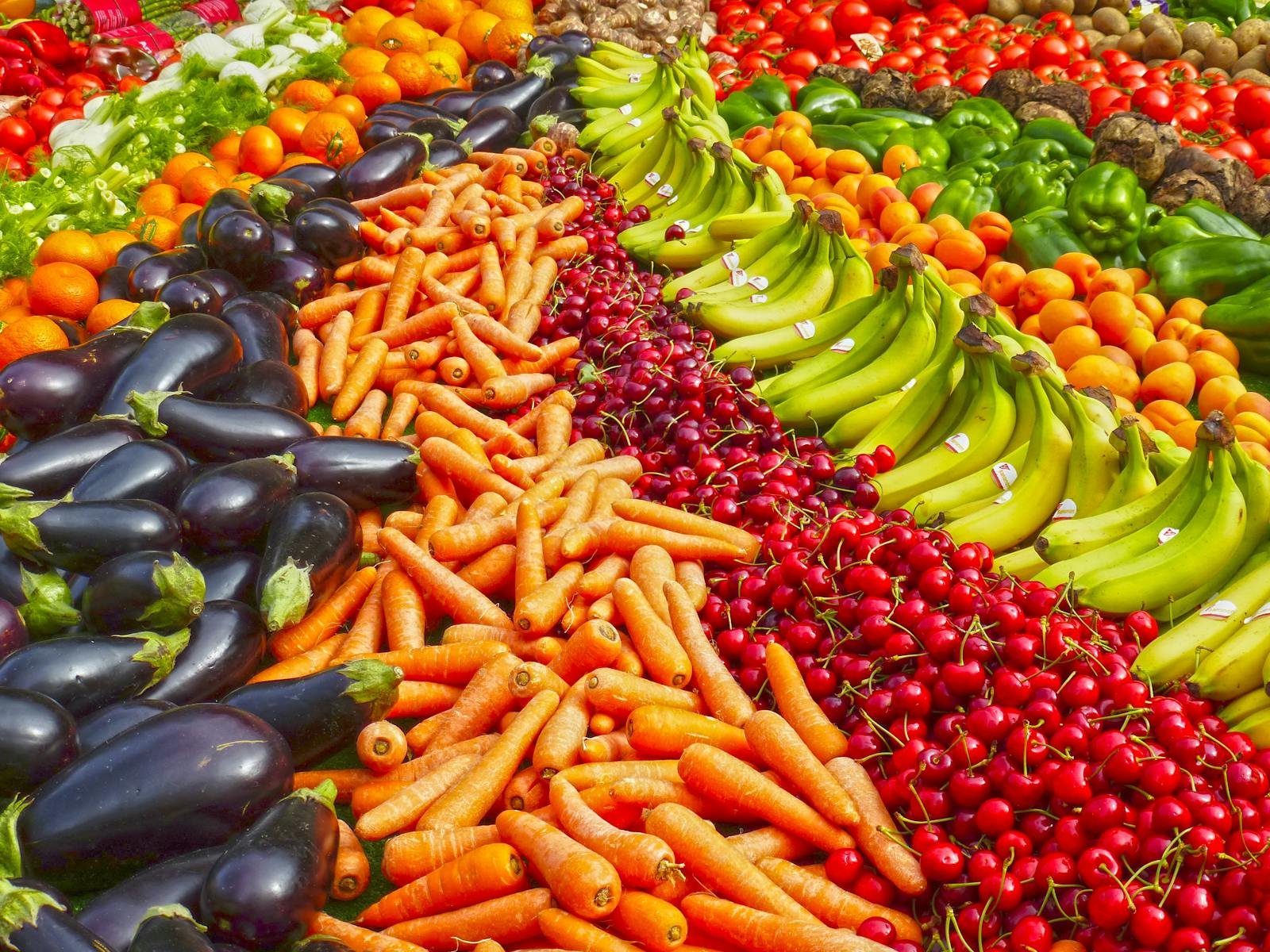
Ask employees what they want in the office pantry and fresh fruit is almost always near the top of the list. It reads as healthy, it is cheap relative to its perceived value, and it signals that an employer cares about wellbeing without the calorie guilt of a snack drawer. Yet fruit is also the single item most likely to be thrown away — bruised, over-ripe, or simply ordered in quantities no one finished before the weekend.
That tension is the whole story of corporate fruit delivery in the UAE. Done well, a weekly fruit programme is one of the highest-satisfaction, lowest-cost perks a facilities or HR team can run. Done badly, it is a standing order that quietly funds a bin. The difference is not the fruit — it is how the service is specified, sized, and supplied, in a climate where a mango left on a counter at 32°C has a very different shelf life than one in London.
This guide walks through how office fruit delivery actually works in Dubai and Abu Dhabi, how suppliers price it, the food-safety and cold-chain realities that are specific to the Gulf, and how to size and run a programme so the bowl stays full and the waste stays low.
Why fruit is different from the rest of the pantry
Most pantry items — coffee, tea, water, packaged snacks — are shelf-stable. You can over-order without immediate consequence; the surplus just sits in the cupboard until next week. Fruit breaks that model. It is perishable, it ripens on its own schedule, and in UAE summer conditions it ripens fast. A box of bananas that looks perfect on Sunday morning can be going soft by Tuesday afternoon if it sits out in an open-plan office with the AC cycling.
This changes how you should think about a fruit programme in three ways:
- Frequency beats volume. Two smaller deliveries a week almost always produce less waste — and fresher fruit — than one large weekly drop, even at the same total quantity.
- The mix matters as much as the amount. Hardy fruit (apples, oranges, pears) tolerates a warm counter for days. Soft fruit (berries, ripe bananas, cut melon) does not. The right ratio depends on how quickly your office actually gets through the bowl.
- Placement is part of the spec. Fruit in a cool, shaded spot near a high-traffic walkway gets eaten. Fruit tucked on a sunny windowsill becomes a fruit-fly problem. This is an operational detail, not a supplier one, but it determines whether the programme works.
If you are building or refreshing a pantry from scratch, fruit should be planned alongside everything else rather than bolted on — our new office pantry setup checklist covers how the categories fit together.
How UAE fruit delivery suppliers price the service
Corporate fruit is sold in a few recognisable ways, and — as with the rest of the pantry — the pricing structure tells you as much as the headline number. (For the bigger picture on how suppliers charge across the whole pantry, see our breakdown of office pantry pricing models.)
| Model | How you pay | Best for | Watch out for |
|---|---|---|---|
| Per-box / per-tray | A fixed price for a standard box (e.g. "office box, ~5–6 kg") | Simple budgeting, small offices | What's in the box — mix and weight vary widely between suppliers |
| Per-portion / per-head | A price per employee per week | Predictable cost, HR-friendly approval | Paying for absent staff; "fair use" assumptions |
| Consumption / catalogue | Per-kilo or per-item catalogue pricing | Larger offices wanting control and variety | Markup buried in unit prices; minimum-order thresholds |
| Bundled into managed pantry | Fruit included in an all-in pantry service | Hands-off facilities teams | Whether fruit quality is actually guaranteed or just "included" |
The most common mistake is comparing a "fruit box" from one supplier against a "fruit box" from another as if they were the same unit. They rarely are. One supplier's box might be 5 kg of mostly apples and oranges; another's might be 6 kg with berries and seasonal stone fruit. Always compare on weight and mix, not on the word "box."
A second thing to clarify up front: who carries the waste risk. With most consumption models, you pay for what is delivered regardless of what is eaten, so the responsibility for right-sizing sits with you. A good supplier will help you tune the order down after the first few weeks rather than quietly letting an over-large standing order run.
The cold-chain and food-safety reality in the Gulf
Fruit is a fresh food, and in the UAE that means it falls under municipal food-safety expectations from farm to bowl. Two things are worth understanding as a buyer.
Cold chain to the door. Reputable corporate fruit suppliers store and transport produce chilled, and the fruit should arrive cool, not warm. Ask how produce is transported — refrigerated vehicles matter far more in a Dubai summer than they do in a temperate market. Fruit that arrives already warm has effectively lost days of shelf life before it reaches your counter.
Washing, handling, and traceability. For whole, uncut fruit the food-safety burden is relatively light — employees wash and peel as needed. The moment a supplier provides cut fruit (platters, pre-sliced melon, fruit cups), you are in a much stricter regime: cut produce is a higher-risk food, needs proper cold holding, and should come from a kitchen with the appropriate municipal approvals. If you want cut fruit for meetings or events, confirm the supplier is licensed to prepare it — don't assume.
This connects to the broader compliance picture for anything edible in the office. If your pantry serves a diverse workforce, the same allergen and dietary labelling expectations that apply to snacks apply to prepared fruit too.
How to size a weekly fruit order
This is where most programmes go wrong — and where a little discipline pays off immediately. The goal is a bowl that is reliably available without being reliably over-supplied.
A reasonable starting point for a general office is roughly 2–3 pieces of fruit per employee per week, assuming fruit is one option among several pantry items rather than the only snack. From there:
- Start conservative and ramp up. It is far better to run out occasionally in week one and increase the order than to start high and spend a month watching fruit go to the bin. Under-ordering is a quick fix; over-ordering is a recurring cost.
- Weight toward hardy fruit in summer. Apples, oranges, and pears survive a warm counter. In the hottest months, shift the mix toward them and treat berries and soft fruit as a smaller, faster-moving top-up.
- Match delivery days to your week. In the UAE working week, a Sunday/Monday delivery and a Wednesday top-up keeps fruit fresh across the whole week far better than a single Sunday drop that has to last until Thursday.
- Account for hybrid attendance. If half the office is remote on any given day, size to attendance, not headcount. Paying for fruit for people who aren't in the building is one of the quietest sources of pantry waste — the same logic we cover for the whole pantry in hybrid work pantry planning.
Track it the way you would track any consumable: how much arrives, how much is gone by the next delivery, and how much is thrown out. Two or three weeks of that data tells you exactly where to set the standing order. If you want a structured way to measure it, our guide to office pantry KPIs and the discipline of reducing food waste in the UAE office pantry both apply directly to fruit.
Reducing fruit waste: the practical playbook
Waste is the one metric that decides whether a fruit programme is a smart perk or a slow leak. The levers that actually move it:
- Right-size first, then optimise mix. Most waste is simply too much fruit, not the wrong fruit. Fix quantity before you fuss over variety.
- Two deliveries beat one. Splitting the same weekly volume across two drops keeps everything fresher and gives soft fruit a fighting chance.
- Rotate, don't restock-on-top. Whoever refills the bowl should bring older fruit to the front, not bury it under the new delivery. This is a 30-second habit that meaningfully cuts waste.
- Use the over-ripe, don't bin it. Bananas going soft are perfect for a Friday team smoothie or to set aside for staff to take home. A bowl labelled "take me home" on Thursday afternoon turns surplus into goodwill.
- Review monthly. Attendance, seasons, and tastes drift. A five-minute monthly check on the order keeps it tuned.
A fruit programme that loses less than ~10% to waste is running well. Above 20% and the order is too large, the deliveries too infrequent, or the placement wrong — all fixable.
How to choose a supplier
When you compare corporate fruit suppliers in the UAE, the questions that separate a reliable partner from a standing-order-and-forget vendor are:
- Is the fruit delivered chilled, and how quickly after it's picked/received? Freshness on arrival is the whole game.
- Can the mix be customised and adjusted? A fixed box that can't flex to your office's actual consumption will always waste more.
- What is the delivery cadence, and can it be twice-weekly? Single weekly drops struggle in summer.
- How is quality handled when something arrives below standard? A clear replace/credit policy signals a supplier who stands behind the produce.
- Can fruit sit inside a single managed pantry account alongside your other consumables, so you have one supplier, one invoice, and one point of contact? Consolidating suppliers is one of the simplest ways to cut admin — see supplier consolidation.
Fruit also rarely stands alone. Most offices that run a fruit programme pair it with a broader healthy-snacking and hydration setup — our nutritionist-approved office snack list and summer hydration playbook are the natural companions.
Bananas are the breakfast fruit, and an office that adds a self-serve breakfast station should expect the banana line to roughly double while the rest of the fruit order stays put; the office breakfast supplies guide covers sizing the station around it.
Cut fruit and vegetable pots are the short-life end of the same programme, and the chilled office snacks guide covers the twice-weekly rhythm and fridge routine that stop them going soft in the drawer.
Frequently asked questions
How much does office fruit delivery cost in the UAE? It depends on the model — per-box, per-head, or per-kilo — and on the mix. Rather than comparing headline box prices, compare cost per kilogram and the actual fruit mix, and factor in delivery frequency. A slightly higher per-kilo price with twice-weekly delivery often produces lower effective cost than a cheap single weekly drop once you account for waste.
How often should fruit be delivered to an office? For most UAE offices, twice a week beats once. Summer heat shortens shelf life, so splitting the weekly volume into two deliveries keeps fruit fresher and cuts waste — usually at little or no extra cost if the supplier is local.
What fruit lasts longest in an air-conditioned office? Apples, oranges, and pears are the most resilient on an open counter. Bananas ripen quickly and should be ordered in smaller, more frequent quantities. Berries and cut fruit are the most perishable and need cool placement and fast turnover.
Can we get cut fruit or platters for meetings? Yes, but cut fruit is a higher-risk prepared food under UAE food-safety rules and must come from a properly licensed kitchen with cold-chain handling. Confirm your supplier is approved to prepare cut fruit rather than only supplying whole produce.
How do we stop fruit going to waste? Right-size the order first (most waste is simply too much fruit), deliver twice a week, rotate older fruit to the front, and review the order monthly against actual attendance. Aim to keep waste under 10%.
MHO supplies fresh fruit as part of a fully managed office pantry service for corporate offices across the UAE — chilled delivery, a flexible mix you can tune to your office, and fruit, snacks, beverages, and coffee all on a single account. Talk to us about a fruit programme for your office.