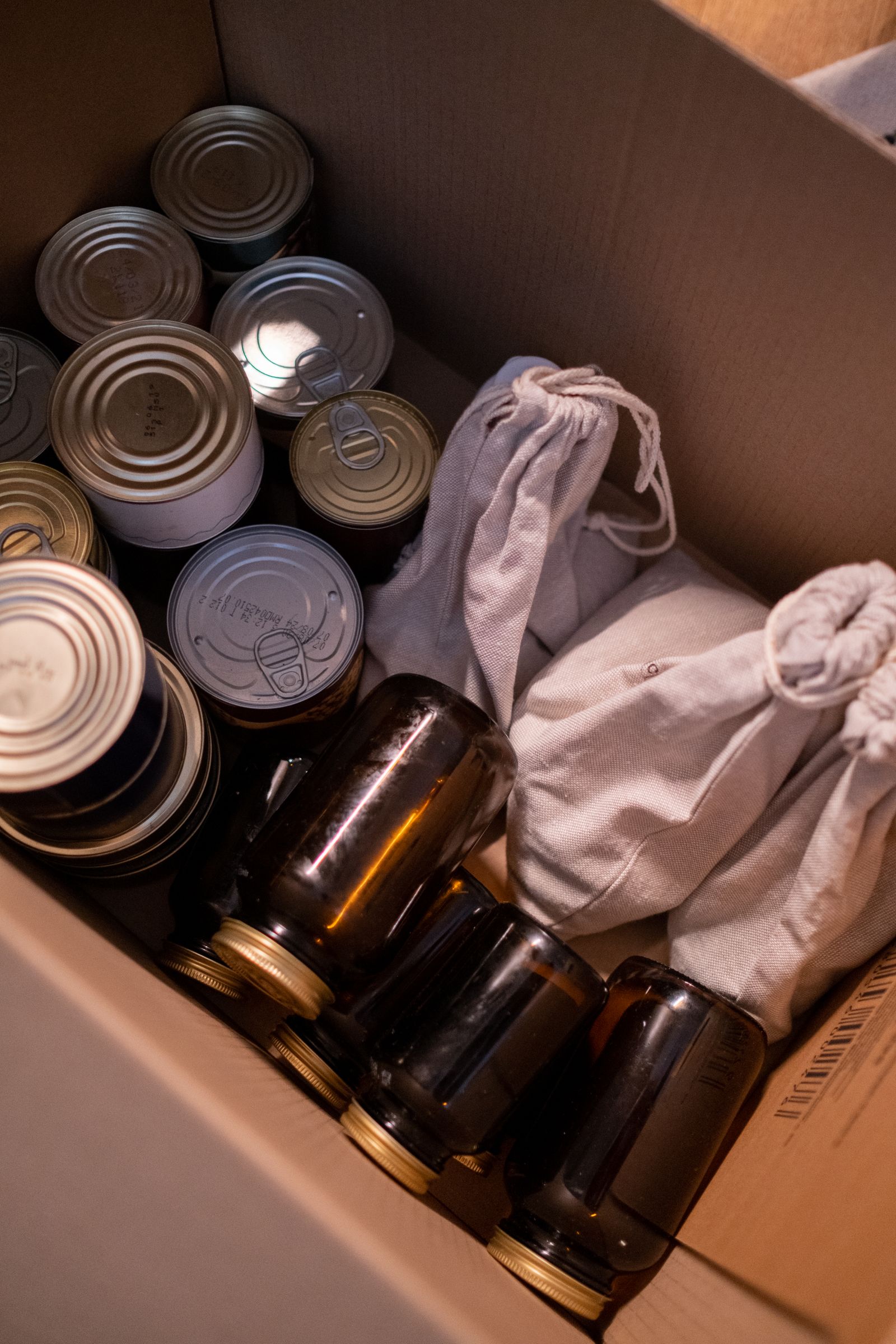
There is a rhythm to the UAE working year that no global office-management guide accounts for. From late June the building starts to thin out. Through July and August it runs at half capacity or less — annual leave, families travelling, schools out, decisions deferred to "after the summer". Then September arrives, everyone comes back in the same fortnight, and the office goes from half-empty to full attendance almost overnight.
The pantry rarely survives that transition gracefully. It has spent two months either running dry because nobody was watching, or accumulating stock nobody consumed. Either way, the first full week of September exposes it.
The good news is that this is one of the few predictable problems in facilities management, and the quiet weeks before the return are exactly the right time to fix it. Here is what to do with them.
Start with an honest audit of what the summer left behind
Before ordering anything, find out what is actually in the pantry. Summer distorts consumption in both directions, and the residue tells you something useful.
Check dates first, and be ruthless. Anything bought in June for a full office and consumed by a skeleton staff has been sitting for two months. Snacks, dairy, plant-based milks and opened dry goods all need checking against their dates rather than their appearance. Discarding out-of-date stock is not waste — leaving it on the shelf for a returning team to find is worse, and it is the kind of thing that quietly erodes confidence in the whole setup.
Look at what did not move. Items that survived two months of low-traffic consumption untouched were probably not being consumed before summer either. This is the cheapest product-mix data you will ever get: the summer lull functions as an unintentional experiment in what your team actually reaches for. Cut the persistent non-movers from the September order rather than reordering them out of habit. The office pantry audit guide covers how to run this properly if you want to formalise it.
Note what ran out and stayed out. The reverse signal matters just as much. Anything that emptied even at half capacity is under-provisioned for a full office, and it will be the first complaint in September.
Check the summer's consumption against the invoices. Two months of reduced headcount should show up as reduced spend. If it did not, you have been paying for a fixed basket rather than actual consumption — which is a pricing-model conversation worth having before you commit to the autumn. The office pantry pricing models guide sets out the difference and why it matters.
Service the equipment now, while nobody needs it
This is the single most valuable thing you can do in a quiet August, and it is almost always skipped.
UAE summer is hard on pantry equipment. Coffee machines and water dispensers work against a higher mineral load than their service intervals assume, ambient temperatures are punishing, and reduced use over the summer does not mean reduced degradation — a machine standing idle in a warm building with water in it is arguably worse off than one in daily use.
Book the descaling, the internal sanitisation, the filter changes and the ice machine deep clean for a week in late August when the office is still quiet. The alternative is discovering the problem during the first full-capacity coffee rush in September, when the machine is under maximum load and a technician visit means a day without coffee for eighty people. The pantry equipment maintenance guide covers what each item actually needs and who should be doing it.
While you are there, check the things that only fail under load: whether the machine can actually keep up with a full-office morning, whether the water dispenser is positioned somewhere that will not create a queue, and whether the fridge has the capacity for a full team's use rather than a skeleton one.
Right-size for the attendance you will actually have
The September order should not be a copy of the June order, and it should definitely not be a scaled-up version of the July one.
Start from real attendance, not desk count. If your organisation runs a hybrid pattern, September is when it re-establishes itself — and it may not re-establish at the same ratio it had in June. Order against the days people are genuinely in the building. The hybrid work pantry planning guide covers how to match stock to attendance rhythm instead of paying for a five-day pantry used three days.
Account for headcount that changed over the summer. Joiners and leavers cluster around the summer break more than any other period. The team returning in September is frequently not the same size as the team that left in June, and a pantry sized on a stale number will be wrong in one direction or the other. If you buy on a per-head basis this corrects itself; if you buy a fixed basket, update it deliberately. The cost per employee benchmarks give you a sanity check on where the number should land.
Plan for the new joiners specifically. September is the heaviest onboarding month in most UAE organisations. New starters form their impression of a workplace in their first fortnight, and a well-stocked pantry is one of the few environmental signals they read immediately. If you are onboarding a cohort, the new office pantry setup checklist is a useful cross-check even for an established office.
Do not switch off summer hydration too early. September in the UAE is not autumn. Temperatures stay high well into October, and the return to full attendance means more people in the building than during the hottest weeks. Keep hydration provision at summer levels through the end of September rather than tapering with the calendar — the reasoning is set out in the UAE summer office hydration playbook and the corporate hydration policy guide.
Use the reset to fix the mix, not just the volume
A restock is a rare licence to change what is on the shelves without anyone treating it as a takeaway. Nobody notices a product disappearing during a full reorder; they very much notice it disappearing in the middle of a normal month.
Use that. Drop the non-movers the summer audit identified. Rebalance towards whatever the team actually consumed. If you have been meaning to shift the ratio towards better options, September is the moment it lands as a fresh start rather than a restriction — the nutritionist-approved office snack list and the healthy office snacks guide are useful starting points, and the ROI case for a healthier pantry is the version to put in front of a finance lead.
It is also the natural moment to close dietary gaps that have been sitting unaddressed — halal provision, plant-based options, allergen labelling. See the halal compliance guide and the allergen and dietary labelling guide.
Turn September into the Q4 and 2027 budget conversation
The commercial half of this matters more than the restocking half, because September is when UAE finance teams start building next year's numbers — and pantry spend is usually submitted as last year's figure plus a guess.
The audit you have just run is the raw material for a better answer. You know what was consumed, what was wasted, what ran out, and how spend tracked against a summer of reduced headcount. That is enough to build a defensible per-head budget rather than an inherited one. The office pantry budget template gives you the structure, and the cost reduction guide covers where the savings genuinely are as opposed to where they look like they are.
Two more things worth doing in the same window, while the year's contracts are still open for discussion:
- Review the supplier arrangement before it auto-renews. September is early enough to renegotiate for January and late enough to have a full year of consumption data. If the relationship has not been working, the guide to switching office pantry suppliers covers how to do it without a gap in service, and the procurement leader's vendor selection guide covers what to hold a new one to.
- Set the KPIs you will actually measure next year. Most pantry arrangements are never measured at all, which is why they drift. Agreeing two or three numbers now — fill rate, delivery reliability, spend per head — makes the 2027 review a factual conversation rather than an impressionistic one. The pantry KPI guide and the SLA template are the practical tools.
A four-week countdown
If you want this as a schedule rather than a set of principles:
- Four weeks out (early August). Run the stock audit. Check dates, log non-movers, log stockouts. Pull the summer invoices and compare spend against reduced headcount.
- Three weeks out. Book equipment servicing — descaling, sanitisation, filters, ice machine — for a quiet week. Confirm September headcount with HR, including summer joiners and leavers.
- Two weeks out. Place the September order against real attendance rather than desk count, with the mix adjusted for what the audit found. Keep hydration at summer levels.
- One week out. Deep clean the pantry space itself, check labelling and dietary signage, and confirm the first delivery lands before the first full week rather than during it.
- Week one of September. Watch what actually runs out. The first full week is the most accurate consumption data you will get all year — use it to correct the order rather than waiting for complaints.
The September reset is the first move in a longer sequence. Our Q4 pantry calendar covers what comes next, month by month: the October-November peak, National Day, the December wind-down and the January restart.
Frequently asked questions
When should a UAE office start planning its September pantry restock? Early August, roughly four weeks out. That leaves time to run a stock audit, get equipment serviced while the office is quiet, confirm September headcount with HR, and place an order that arrives before the first full week rather than during it. Leaving it until the last week of August means servicing gets skipped and the order is a guess.
Should the September order just repeat what we ordered in June? No, for two reasons. Headcount frequently changes over the UAE summer break more than in any other period, so the June figure is often stale. And the summer lull is an accidental experiment in what your team actually consumes — anything that sat untouched through two months of low traffic was probably not moving before summer either, and reordering it repeats the waste.
Is it worth servicing pantry equipment before the September return? It is the highest-value thing you can do in a quiet August. UAE water carries a higher mineral load than most service intervals assume, and a machine standing idle in a warm building over summer degrades rather than resting. Servicing in late August costs a quiet afternoon; discovering the same problem during the first full-capacity coffee rush costs a day of downtime for the whole office.
How long should we keep summer hydration levels running? Through the end of September at least. UAE temperatures stay high well into October, and the return to full attendance means more people in the building than during the hottest summer weeks — so total demand can actually peak after the temperature has started to ease. Taper on observed consumption, not on the calendar.
Why is September a good time to review the pantry budget? Because it coincides with when most UAE finance teams start building next year's numbers, and because you have just generated the data to do it properly. A stock audit plus a full year of consumption gives you a defensible per-head figure instead of last year's number plus a guess — and September is early enough to renegotiate a supplier arrangement before it auto-renews in January.
What is the most common September pantry mistake? Restocking on volume alone. Teams reorder the June basket at June quantities, which repeats whatever was wrong with the mix and misses the one moment in the year when changing the product range reads as a fresh start rather than as something being taken away.
The short version
The UAE working year has a predictable break in it, and the pantry is predictably worse for it. Use the quiet weeks: audit what the summer left, cut the non-movers it exposed, and service the equipment while nobody needs it. Then size the September order against real attendance and a headcount that HR has actually confirmed, keep hydration at summer levels through the month, and use the fresh-start moment to fix the product mix rather than just refill it. Finally, turn the audit into a per-head budget for Q4 and 2027 while the finance team is still building the numbers and the supplier contract is still open.
Done properly, the September return is the easiest week of the year in the pantry instead of the worst one.
My Healthy Office runs managed office pantries across the UAE, with consumption-based restocking that adjusts through the summer lull and steps back up for the September return — without anyone having to remember to place the order. To get your pantry ready for a full office, get in touch with our team.