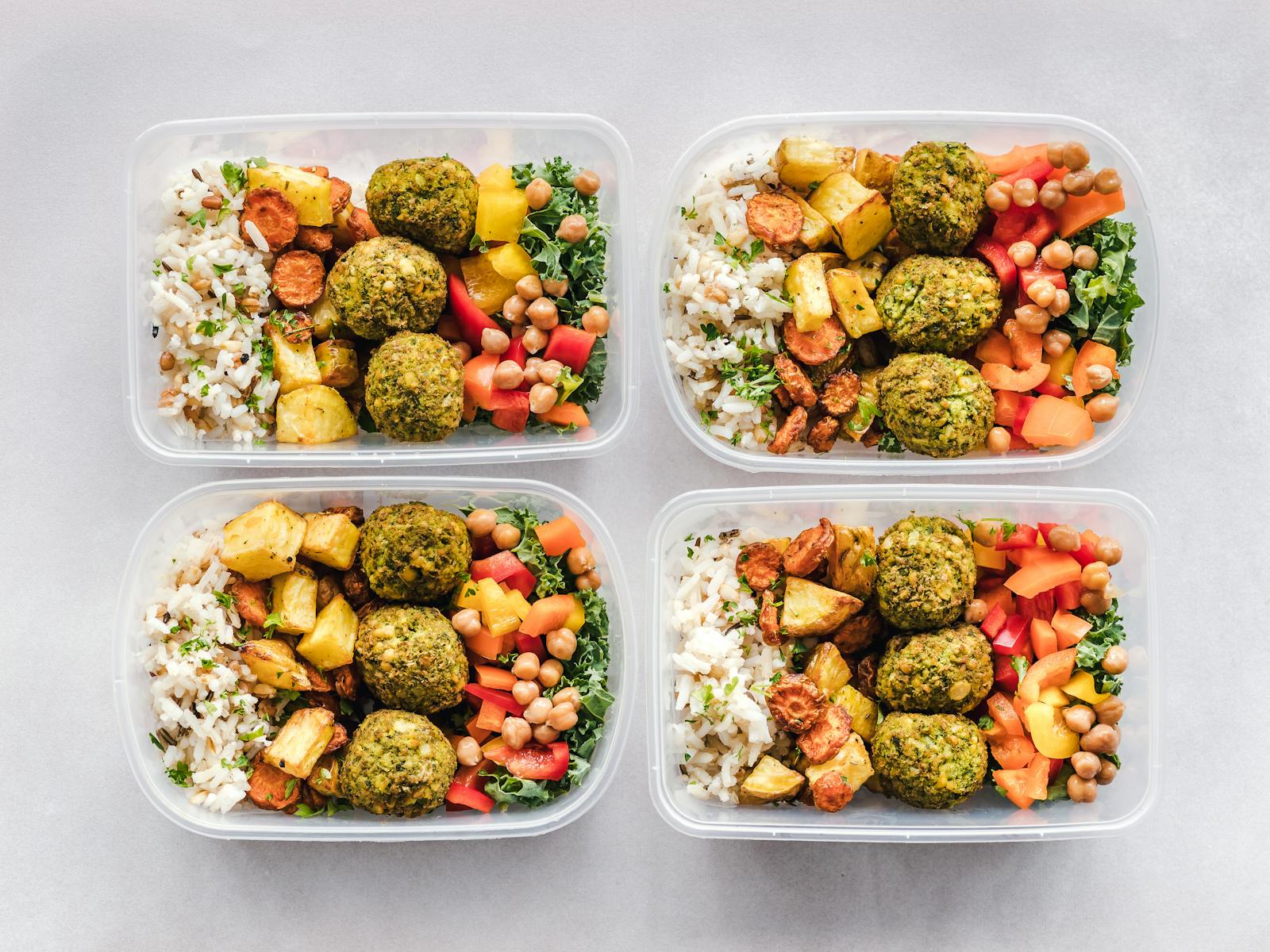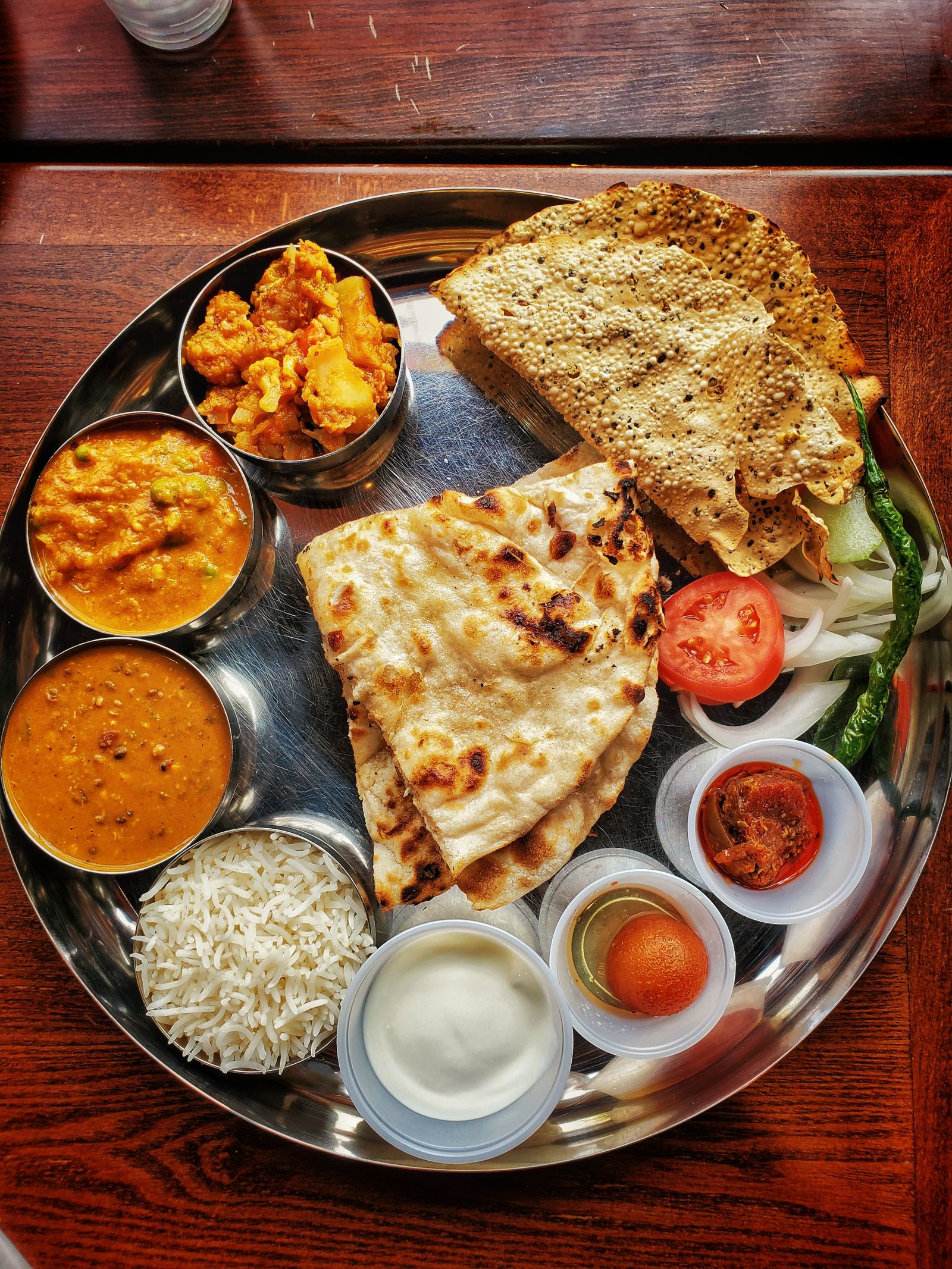
Walk through almost any office in Dubai or Abu Dhabi and a meaningful share of the team is vegetarian. Many are from India, where vegetarianism is a lifelong, often religious practice rather than a lifestyle choice, and "vegetarian" covers several distinct diets: lacto-vegetarian with no egg, Jain with no root vegetables, Hindu fasting days with their own staples, and a growing number of colleagues who are vegan for other reasons. Most office pantries handle this with a bowl of hummus and a hope. The colleagues in question notice.
This guide is for office managers, HR teams and anyone who orders the Friday lunch at UAE companies. It covers what the main vegetarian diets actually exclude, the animal ingredients hidden in ordinary pantry items, a Jain checklist, fasting-day staples, vegetarian protein that is not a chickpea salad, labelling people trust and the calendar moments that matter. For plant-based eating as a wellness or sustainability programme, read the meat alternatives for office lunches guide and the Meat-Free Monday programme guide; this article is about colleagues for whom it is not optional.
What "vegetarian" means at your office
Ask, do not assume. A short line in the pantry survey or the onboarding form ("any dietary requirements we should stock for?") saves months of guessing; the pantry survey questions guide has the wording. The diets you will most often hear:
- Lacto-vegetarian. No meat, poultry, fish or egg. Dairy is fine. This is the most common Indian vegetarian diet and the one most pantries get wrong on egg: the brownie, the mayonnaise, the pasta and the glaze on a pastry all contain it.
- Jain. Lacto-vegetarian plus no root vegetables (onion, garlic, potato, carrot, beetroot, ginger, radish), no honey for many, and often no eating after sunset. Strictly observant colleagues also avoid certain fermented foods and anything with many seeds.
- Vegan. No animal products at all, including dairy, honey and gelatine. The plant-based office pantry guide covers the vegan pantry in depth.
- Fasting days. Many Hindu colleagues fast on particular weekdays, on Ekadashi twice a month and through Navratri in the autumn. Fasting usually means no grains, no onion or garlic and a limited set of permitted foods, not no food.
- Eggetarian. Vegetarian but eats egg. Common among younger colleagues; worth knowing because it changes the breakfast options.
Write the answers down and give the list to whoever orders. Three or four lines is enough to turn a pantry from "mostly fine" into "safe".
The hidden ingredients
The pantry failures that upset vegetarian colleagues are rarely about the obvious items. They are the ordinary snacks and sauces that quietly contain animal ingredients:
- Gelatine in gummies, marshmallows, some yogurts and desserts and many chewy sweets. Look for pectin or agar instead.
- Rennet in many hard cheeses. Cheese labelled "vegetarian" or made with microbial rennet is widely available in the UAE; the eggs, cheese and labneh guide covers which to stock.
- Egg in baked goods, mayonnaise, some pasta, some noodles, egg-wash on pastries and many "vegetable" samosas and spring rolls that are sealed with egg.
- Fish and shellfish in Worcestershire sauce, many Thai and Asian sauces, Caesar dressing and some crisps and flavoured snacks.
- Chicken or beef stock in instant soups, noodle pots and ready meals that look vegetarian.
- Animal-derived flavourings and colours in some crisps, sweets and drinks; the ingredient list, not the picture on the front, decides.
- Honey matters to Jain and vegan colleagues and turns up in granola, bars and dressings.
Rule for the person ordering: read the ingredient list on anything new, and prefer products with a clear vegetarian or vegan mark. The allergen and dietary labelling guide explains how UAE labels work and what to put on your own pantry labels.
The Jain checklist
A Jain colleague is the hardest case for most pantries and the easiest to get right once you know the rule. Stock and order:
- Fruit, nuts, seeds and dried fruit with no honey or gelatine. The fruit range, nuts and seeds and dried fruits ranges cover this; check bars for honey.
- Dairy: milk, yogurt, paneer, vegetarian cheese, labneh. The milk and dairy supply guide covers the basics.
- Grains and pulses prepared without onion, garlic or potato: rice, dal, chapati, khichdi, poha, upma. Most Indian caterers in the UAE know "Jain" as an order instruction and will prepare it on request; say the word and confirm.
- Lunch timing. If a colleague does not eat after sunset, a late-afternoon team meal in winter needs to be served before it. In December that is around 5:30pm in Dubai.
Avoid for Jain colleagues: anything with onion, garlic, potato, carrot, beetroot or ginger, honey, most pickles and fermented foods, and mushrooms for the strictly observant.
Fasting days and festivals
The calendar matters as much as the shelf:
- Navratri (nine nights in the autumn, with a spring Navratri as well) brings fasting for many Hindu colleagues: no grains such as wheat and rice, no onion and garlic, and a set of permitted foods including fruit, dairy, potatoes, sabudana, buckwheat and amaranth flour, nuts and rock salt. A fruit bowl, yogurt and nuts cover most of it; a caterer who knows "vrat" or "fasting" food covers the rest.
- Ekadashi and weekly fasts follow similar rules on a smaller scale. Having fruit, milk, yogurt and nuts always in the pantry means nobody has to ask.
- Diwali is the big office moment for Indian colleagues: sweets, snacks and a celebration meal, ideally vegetarian throughout so everyone can share from the same table. The Diwali office celebration and gifting guide covers the planning.
- Paryushan (the Jain festival of fasting and reflection in late summer) is a week when Jain colleagues eat very simply or fast; check in, do not assume they want the team lunch.
None of this requires a separate programme. It requires the person who orders to know the dates, which a shared calendar entry solves.
Protein that is not a chickpea salad
The complaint from vegetarian colleagues at most office lunches is that the vegetarian option is a side dish. Fix it by making the vegetarian protein the centre of the plate:
- Paneer: grilled, in a curry, in a wrap. The most reliable vegetarian main for an Indian team.
- Dal and legumes: a proper dal, rajma, chana, lentil soup; the salads and crudités guide covers the salad side.
- Tofu, tempeh and plant-based meat for colleagues who want them; the meat alternatives range has the options and the meat alternatives lunch guide explains how to serve them so they are eaten.
- Dairy protein: Greek yogurt, labneh, vegetarian cheese, milk-based drinks; the chilled snacks guide covers the fridge.
- Nuts, seeds and the right bars: check the bar for gelatine, honey and whey if it needs to be vegan; the snack bars guide covers labels.
- Plant milks for coffee so the vegan colleagues are not stuck with black coffee; see the plant milk guide and the dairy and plant-based milk range.
Order vegetarian mains in the same quantity per head as the meat ones. Most offices under-order the vegetarian option and then find the meat-eaters took it.
Labelling people trust
Vegetarian colleagues have learned not to trust an unlabelled buffet, and they are right. The standard most UAE offices land on:
- Every dish labelled with a name and a simple mark: V (vegetarian), VE (vegan), J (Jain), and the common allergens. A small card per dish is enough.
- Separate serving spoons and, for Jain and vegan dishes, a separate section of the table so a meat spoon does not wander.
- Egg called out explicitly on baked goods and sauces, because "vegetarian" on its own does not settle it for a lacto-vegetarian.
- The pantry shelf labelled too: a vegetarian-and-vegan shelf for snacks that have been checked, so nobody has to read every packet. The storage and labelling system guide covers the shelving side.
Write the labelling rule into the pantry policy alongside the halal rule, which most UAE offices already have; the halal compliance guide covers that side, and the two sit naturally together.
Where we deliver
My Healthy Office delivers vegetarian and vegan pantry supplies to offices across Dubai, including Business Bay, DIFC, Dubai Internet City and Jumeirah Lakes Towers, and across Abu Dhabi, including Al Reem Island. Ingredient lists are available on every product; ask for a vegetarian-checked snack list for your shelf. Browse the full category range to start.
The short version
- Ask what colleagues actually avoid: lacto-vegetarian, Jain, vegan, fasting days, eggetarian. Write it down.
- Read ingredient lists for gelatine, rennet, egg, fish sauce, meat stock and honey.
- For Jain colleagues: no root vegetables, no honey, lunch before sunset. Caterers know the word.
- Keep fruit, yogurt, nuts and milk always in stock; they cover most fasting days.
- Make the vegetarian protein the main course and order it in full quantity.
- Label every dish and the pantry shelf with V, VE, J and allergens; separate spoons.
Frequently Asked Questions
What is the difference between vegetarian, Jain and vegan at the office? Lacto-vegetarian excludes meat, poultry, fish and egg but includes dairy. Jain adds no root vegetables such as onion, garlic and potato, usually no honey and often no eating after sunset. Vegan excludes all animal products including dairy, honey and gelatine. Ask colleagues which applies rather than assuming.
Which common pantry items contain hidden animal ingredients? Gummies and marshmallows (gelatine), many hard cheeses (animal rennet), baked goods, mayonnaise and some pasta (egg), Worcestershire and many Asian sauces (fish), instant soups and noodle pots (meat stock), and granola and bars (honey, whey). Read the ingredient list and prefer products with a vegetarian or vegan mark.
What can we order for Jain colleagues at a team lunch? Dishes prepared without onion, garlic, potato, carrot, beetroot or ginger: dal, rice, chapati, paneer, khichdi, poha, fruit, nuts and dairy, with no honey. Tell the caterer "Jain" and confirm, and serve before sunset if colleagues do not eat after dark.
What should the pantry stock for Hindu fasting days and Navratri? Fruit, yogurt, milk, nuts and dried fruit cover most fasting rules, which usually exclude grains, onion and garlic. For Navratri, a caterer who prepares fasting food with sabudana, buckwheat or amaranth flour and rock salt covers the rest.
How do we make the vegetarian option at team lunches a proper meal? Make a vegetarian protein the centre of the plate: paneer, dal and legumes, tofu or plant-based meat, Greek yogurt and labneh. Order it in the same per-head quantity as the meat option, because meat-eaters take it too.
How should we label food for vegetarian colleagues? Label every dish with its name and a simple mark (V, VE, J) plus common allergens, call out egg explicitly, use separate serving spoons and a separate section for Jain and vegan dishes, and keep a checked vegetarian-and-vegan shelf in the pantry.