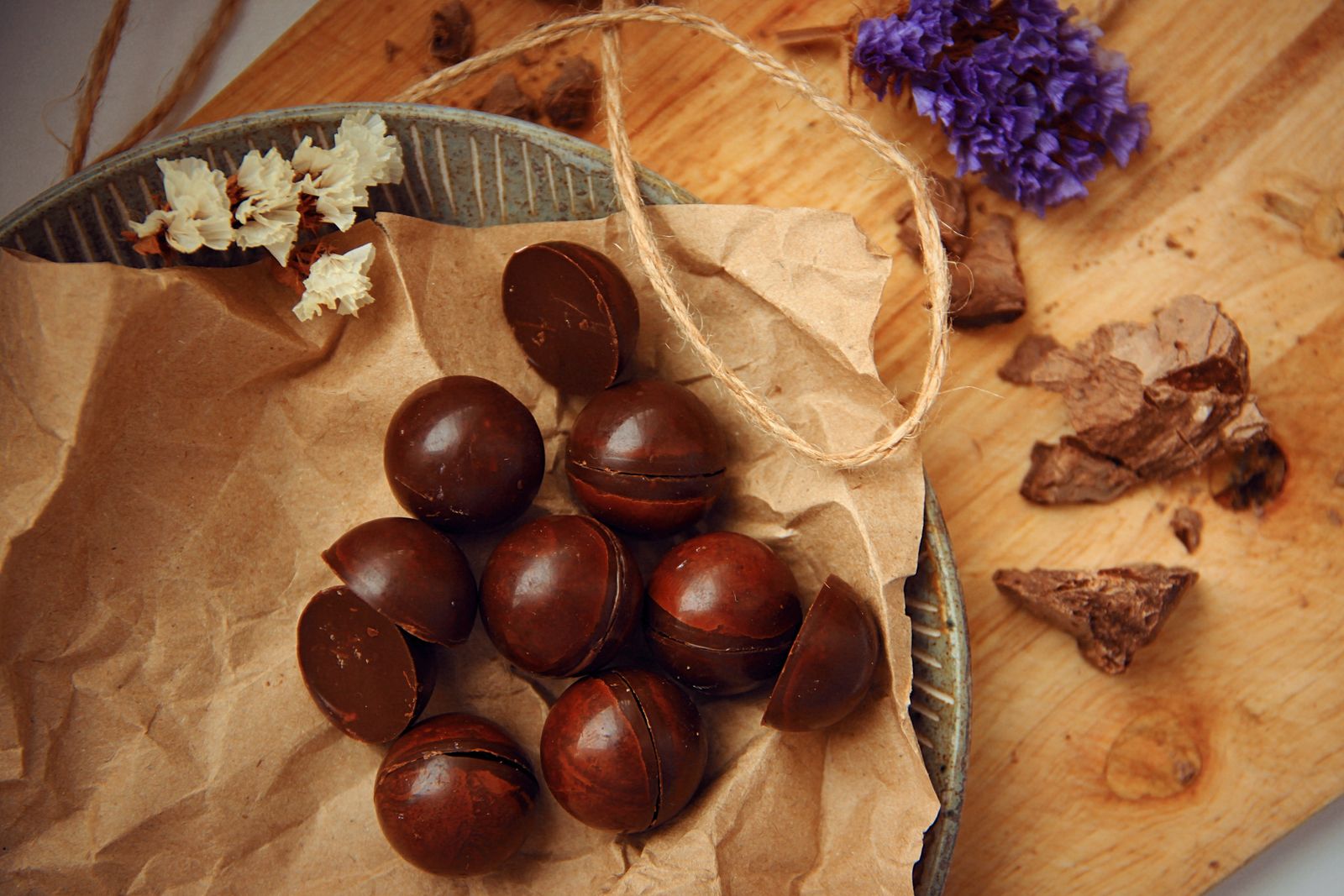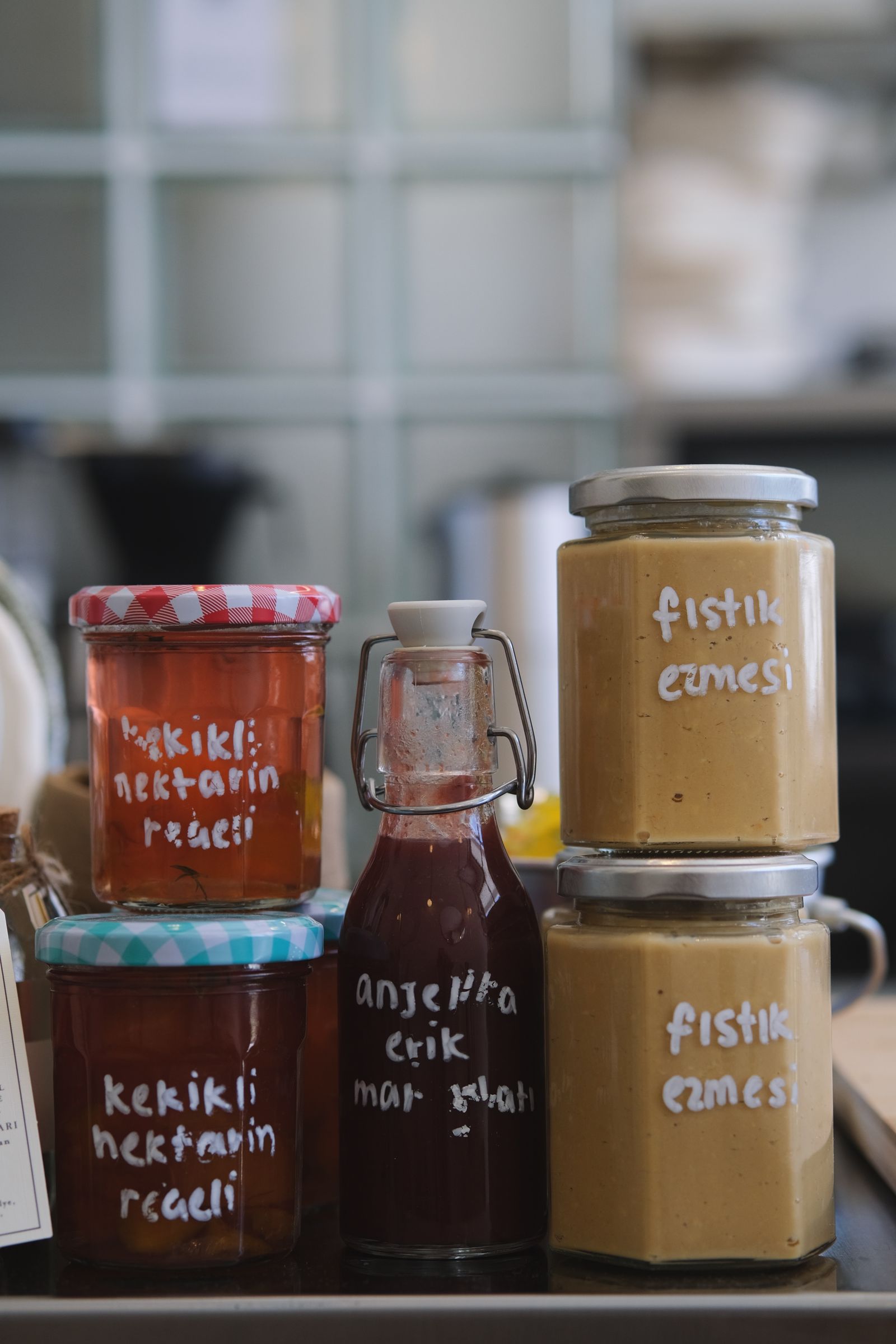
There is a shelf in every office pantry that no procurement process has ever touched. It holds a jar of honey, a jar of jam with a crust round the rim, a peanut butter someone brought back from a supermarket run, a ketchup, a hot sauce with three-quarters of it gone, and a soy sauce of uncertain age. Nobody ordered it as a line. Nobody reviews it. And it is, item for item, the highest-risk shelf in the pantry.
That is not an exaggeration. This is where the peanuts are, in a building where somebody has a nut allergy. It is where the sesame is, and the mustard, and the egg, and the wheat that is in the soy sauce. It is where the alcohol-containing vinegars and flavourings are, in a market where halal status is a genuine requirement for most of the workforce. It is where the only products in the pantry that stay open for months live, in a climate that is unkind to every one of them. And because each individual item is cheap, none of it ever gets specified.
This guide specifies it. It sits alongside the allergen and dietary labelling guide, which covers the labelling framework in general; this one is about the particular shelf where that framework is hardest to apply and most often ignored. It is also the shelf that makes the breakfast line work — cereal and toast without spreads is not a breakfast offer.
What is actually on the shelf
It helps to split the category into four groups, because they behave completely differently.
Sweet spreads: honey, jams and preserves, chocolate and hazelnut spread, date syrup and date paste. High sugar, long unopened life, and the group most likely to be eaten straight from the jar with a shared spoon.
Nut and seed butters: peanut butter, almond butter, tahini. The allergen group. Also the group most prone to oil separation and rancidity in heat, for the same reasons set out in the nuts and seeds supply guide.
Savoury sauces and condiments: ketchup, mayonnaise, mustard, hot sauce, soy sauce, barbecue sauce, olive oil and vinegar. Mixed refrigeration requirements after opening and the group with the most hidden halal and allergen considerations.
Dry staples: salt, pepper, sugar, sweeteners, and the sachet versions of the above — the sugar station shared with the coffee programme and the karak chai station, where sugar is usually decided in the pot rather than at the counter. Low risk, low cost, and the group most often forgotten from an order until the day it runs out.
Treat them as four lines, not one. The decisions below apply differently to each.
The single biggest decision: jar or sachet
Almost every other question on this shelf follows from this one, and most offices have never consciously made it.
Jars and bottles are cheaper per gram — substantially so, often by a factor of two or three — and generate far less packaging waste. They also look better on a counter. Their problems are hygiene and time. A shared jar of peanut butter in a communal pantry is subject to double-dipping with a used knife, to crumbs and jam transferred back into it, and to the simple fact that forty people are putting utensils of unknown cleanliness into a single container. And a jar stays open for weeks or months, which is the storage problem discussed below.
Portion sachets solve the hygiene problem completely and the shelf-life problem almost completely. Each one is sealed until use, there is no shared utensil, no cross-contamination between the peanut butter and the jam, and no question about how long the contents have been open. They cost more per gram and they generate more film waste.
The practical answer for most UAE offices is a split, decided by risk rather than by preference:
- Sachets for anything where cross-contamination is a real consequence — which in practice means nut butters, and anything else in a building with a declared severe allergy.
- Sachets for the sauces that people take to a desk — ketchup, mayonnaise, mustard, hot sauce. These are the ones that get carried around, left out, and returned to the shelf warm.
- Jars for the sweet spreads and the oils, kept at a supervised counter with a dedicated serving utensil and a clear rule that nothing goes back in the jar.
- Bulk for the dry staples, with dispensers or shakers refilled from a sealed stock.
On the waste question: multi-layer sachet film sits outside the scope of the UAE's single-use plastic measures, which target bags, cutlery, cups, plates and similar items rather than food packaging film, so sachets remain compliant at the time of writing. Offices that want a lower-waste shelf tend to land on jars plus a genuinely enforced serving-utensil rule, which works when someone owns the pantry and fails when nobody does. The cups and cutlery guide covers the ban's actual scope in detail, and the plastic waste reduction guide covers the trade-off if lowering packaging waste is a stated goal.
The allergen problem, and the one rule that solves most of it
Nut butters are the sharp end of this shelf. Peanut allergy is the allergy most likely to be severe, peanut butter is the product most likely to be smeared on a shared counter, and a jar of it in an open pantry is a contamination source for every surface, knife and toaster near it.
There is no need to be dramatic about this, and there is no need to ban anything. One rule covers most of the risk: nut butters in sealed portion sachets, stored away from the other spreads, with a dedicated disposal point. That removes the shared jar, the shared knife and the transfer route in a single decision, at a cost of a few dirhams a month.
Beyond nuts, the allergens on this shelf are more numerous than most people expect, and several are genuinely non-obvious:
- Sesame in tahini and in anything containing it, including many hummus and dip products — the chilled half of which is covered in the fridge and chilled snacks guide.
- Wheat in soy sauce. Conventional soy sauce is brewed with wheat; it is not gluten free unless it says so, and tamari is the version that generally is.
- Egg in mayonnaise and in most mayonnaise-based sauces.
- Milk in chocolate and hazelnut spreads, and in some cheese-based dips and dressings; the milk and dairy supply guide covers the fridge side of the same allergen.
- Mustard in mustard, obviously, but also in many salad dressings, barbecue sauces and mayonnaise blends where it is present as an emulsifier and not flagged on the front.
- Fish in Worcestershire sauce, which contains anchovy, and in many Asian sauces.
- Soy and sulphites across a wide range of sauces and dried products.
The workable response is not a spreadsheet. It is a printed allergen card on the shelf, listing which of the items present contain nuts, sesame, milk, egg, wheat, soy, mustard and fish, updated whenever the line changes. That takes one person an hour and answers the question for everyone, and it belongs in the pantry policy document so that it outlives whoever wrote it.
And the rule that makes all of this possible: keep products in their original packaging, or carry the ingredient panel across. The moment honey goes into a decanter, or peanut butter into an unlabelled tub, the allergen and ingredient information is gone and nobody can answer a question about it. If decanting is unavoidable, tape the original label to the container. This is the same principle that applies to savoury snacks tipped into bowls and it matters more here, because the allergens are more serious.
Halal: this shelf has the most hidden ingredients in the pantry
Sauces and spreads are where non-halal ingredients hide, because they are compound products with long ingredient lists and flavour systems that most people never read. For a shared UAE pantry, product-level halal certification is the sensible standard across this whole shelf, and these are the specific places to look:
Alcohol in vinegars and flavourings. Wine vinegar, balsamic vinegar and some sherry and rice vinegars are made from alcoholic bases. Vanilla extract is typically alcohol-based. Some sauces and marinades contain cooking wine, mirin or sake. Naturally brewed soy sauce also develops a small amount of alcohol during fermentation. Interpretations of what is acceptable vary, which is precisely why certification rather than personal judgement is the right test for a shared workplace pantry — it moves the decision to a body qualified to make it.
Gelatine in some mousse-textured spreads, dessert toppings and confectionery-adjacent products, which may be bovine or porcine in origin.
Animal rennet and animal-derived enzymes in cheese spreads and cheese-based dips.
Animal fats and emulsifiers in some sauces and dressings, usually appearing as an E-number rather than by name.
Worcestershire and some fish sauces, which carry both an allergen and, in several formulations, a non-halal fermentation base.
The check is simple and takes about a minute per line: ask for product-level halal certification on the pack or on the supplier's specification sheet, for every compound sauce and spread. The vast majority of mainstream products sold in the UAE carry it. The point is to know, not to assume — and to be able to answer the question when an employee asks it, which on this shelf they eventually will.
What UAE heat does to an open jar
The temperate-climate advice on this category is wrong here, and the difference is worth understanding item by item.
Honey crystallises. That is not spoilage. Honey granulating into a solid or semi-solid mass is a natural physical change, not deterioration, and it is accelerated by temperature swings — exactly what a jar gets when it moves between a hot pantry by day and air conditioning overnight. Standing the jar in warm water re-liquefies it. It is worth saying this out loud in an office, because crystallised honey gets thrown away constantly by people who assume it has gone off.
Nut butters separate and can go rancid. Oil separation is normal and stirs back in. Rancidity is not: the fats in nut butters oxidise faster at higher temperatures, and a jar of peanut butter left in a 30 °C pantry for three months will taste of cardboard and paint long before its printed date. Store below 25 °C, keep the lid clean and sealed, and order what the office will actually finish.
Chocolate and hazelnut spreads separate and bloom for the same reason as chocolate itself — the fat migrates at temperature. The office chocolate and confectionery guide covers the mechanism; the storage answer here is identical. Do not refrigerate them, which makes them unspreadable; store them below 25 °C.
Olive oil degrades in light and heat. Buy it in dark glass or tins rather than clear bottles, keep it in a cupboard rather than on a sunny counter, and buy smaller units more often rather than a catering-size bottle that will sit open for six months.
Mayonnaise must be refrigerated after opening, without exception. So, in a UAE pantry, should ketchup — the label may permit ambient storage in a cooler climate, but a 30 °C pantry is not that climate, and refrigerating it costs nothing. Anything egg-based or dairy-based goes in the fridge the moment it is opened.
Sugar, salt and dry staples cake in humidity, exactly as savoury snacks do. Coastal UAE humidity runs at 60–90 per cent through the summer, and office air conditioning does not remove all of it. Sealed containers and shakers with intact lids, not open bowls and unsealed bags.
The opened-date rule
This is the single highest-value operational habit on this shelf, and it costs nothing.
The printed date on a jar is the unopened date. It tells you nothing once the jar is open. Most products give an opened life on the label — "use within one month of opening", "refrigerate after opening and use within six weeks" — and in a shared pantry nobody has any idea when that was.
Fix it with a marker pen. When a jar is opened, write the date on the lid. Then set a simple rule: anything past its opened-life window goes, and anything with no date on the lid goes at the monthly pantry check. It takes seconds per jar and it converts an unanswerable question into a visible one.
Pair it with a monthly shelf audit — five minutes, once a month, by whoever owns the pantry: check the lids for dates, check for crusted rims and contaminated jars, check the allergen card still matches what is actually there, and reorder. That single recurring task is the difference between a specified shelf and the one described at the top of this article, and it is the cheapest food waste intervention in the pantry — most of what gets thrown off this shelf is thrown because nobody could tell whether it was still good.
Cleaning, because this is the stickiest shelf in the building
Spreads and sauces are the messiest products in the pantry and the most likely to leave residue that attracts pests — a real consideration in the UAE, particularly in older buildings and in ground-floor pantries.
The practical requirements are modest and worth writing into the cleaning schedule rather than leaving to chance: wipe the shelf and the counter daily, not weekly; clean jar rims and lids rather than letting them crust; keep a dedicated cloth and surface cleaner in the pantry rather than borrowing from elsewhere; and keep a lidded bin close enough that sachets and used stirrers actually reach it. Anything sticky left on a counter overnight in this climate is an invitation. The pantry hygiene and safety guide covers the wider routine.
This is where the condiment shelf touches the wider facility: the right cleaning supplies kept in the pantry itself, and the office and hygiene consumables that stop a pantry counter becoming a maintenance issue. If the pantry is being designed or refitted, the layout decision that matters here is a wipeable counter with the spread station away from the coffee machine and within reach of a bin and a sink — the sort of detail that belongs in the office fit-out brief rather than being discovered afterwards — see the fit-out and furniture procurement guide.
Dietary range: the shelf where inclusion is cheap
Most pantry inclusivity decisions cost real money. On this shelf they cost almost nothing, because the alternatives are single items.
A vegan mayonnaise alongside the standard one, a date syrup or maple syrup alongside the honey for anyone who does not eat honey, a seed butter such as sunflower alongside or instead of the peanut butter in a nut-aware building, and a tamari alongside the soy sauce for gluten avoidance — four extra lines, a few dirhams a month, and the shelf goes from serving most of the office to serving all of it. The same logic as the plant-based and meat alternatives range, applied to a much smaller budget.
Date syrup deserves a specific mention in a UAE context: it is local, it is culturally at home, it works on everything honey works on, and it is vegan. It is the easiest addition on this list to justify. The dried fruits and dates guide covers the wider category, and the healthy office snacks guide sets the overall shape a pantry should aim at.
What the line should cost
Indicative trade pricing, including VAT, buying by the case:
- Honey, 500 g jar: roughly AED 18–45, depending on type and origin.
- Jam or preserve, 340–450 g jar: roughly AED 10–22.
- Peanut butter, 500 g jar: roughly AED 15–30.
- Portion sachets (jam, honey, ketchup, mayonnaise, mustard): roughly AED 0.25–0.75 each.
- Nut butter sachets: roughly AED 1.50–3.00 each.
- Ketchup, mayonnaise or mustard, 500 ml–1 l: roughly AED 10–28.
- Soy sauce, hot sauce, vinegar, 250–500 ml: roughly AED 8–25.
- Olive oil, 1 l tin or dark bottle: roughly AED 30–70.
For a typical office running a breakfast and light-lunch pantry, budget AED 3–8 per head per month for the whole condiment and spread line. It is one of the cheapest lines in the pantry and, per dirham, the one where specification changes the most — which is exactly why it is worth the hour it takes to do once. None of it is an excise good; excise applies to tobacco, energy drinks and sweetened beverages, not to food, so VAT at 5 per cent is the only tax on this shelf.
Keep it on the same invoice and the same delivery run as the breakfast line, the coffee and the fruit, and review it at the same monthly check — the consolidation argument made in full in the supplier consolidation guide and the pantry cost reduction guide.
How this lands in different UAE workplaces
- Laboratories, clinics and pharmaceutical sites already run contamination discipline as a professional habit, and are usually the quickest to adopt sachets for nut butters and a printed allergen card: the pharmaceutical and life sciences vertical, the healthcare vertical and sites in Dubai Science Park and Dubai Healthcare City.
- Technology and fintech floors run self-service pantries with no attendant, long hours and heavy breakfast use — the configuration where the opened-date rule and the sachet split matter most. The fintech vertical, the tech and startup vertical and the coworking vertical, across Dubai Silicon Oasis, Dubai Internet City and DIFC.
- Public sector and education employers carry the strictest documentation expectations on halal and allergens, and benefit most from the product-level certification rule applied across the whole shelf: the government and public sector vertical and the schools and universities vertical.
- Property, hospitality-adjacent and mixed-use estates run pantries across multiple buildings with different cleaning contracts, where a single written specification prevents every floor from drifting into a different shelf: the real estate and property vertical, with sites across Al Reem Island, Yas Island, Saadiyat Island, Masdar City and Business Bay.
- Law firms and consultancies with client-facing kitchens need the counter to look right as well as work, in the way the corporate breakfast catering guide describes — jars and a serving utensil rather than a basket of sachets, which means the supervised-counter model and someone who owns it: the law firm vertical and the consultancy vertical.
The short version
Specify this shelf once and it stops being a problem. Split it four ways — sweet spreads, nut butters, savoury sauces, dry staples — and decide jar versus sachet by risk rather than habit: sachets for nut butters and for anything carried to a desk, jars at a supervised counter for the sweet spreads and oils, bulk for salt, pepper and sugar. Put a printed allergen card on the shelf covering nuts, sesame, milk, egg, wheat, soy, mustard and fish, and never decant a product out of its labelled packaging. Ask for product-level halal certification on every compound sauce and spread, because the alcohol in vinegars and flavourings, the gelatine and the animal rennet are not visible from the front of the pack. Store everything below 25 °C, refrigerate anything egg-based or dairy-based the moment it opens, expect honey to crystallise without it being spoiled, and write the opening date on every lid. Check the shelf once a month. Budget AED 3–8 per head per month, and add a vegan mayonnaise, a date syrup, a seed butter and a tamari for a few dirhams more.
MHO supplies UAE offices with the full condiment, spread and pantry staple line in both jar and portion-sachet formats, alongside nuts and seeds, dried fruits, the breakfast and corporate events range and the cleaning supplies that keep the counter workable — on one invoice and one delivery run. Browse the full range by category, see every area we deliver to, or talk to us about specifying the shelf nobody has looked at in two years.
Frequently asked questions
Should an office use jars or portion sachets for spreads and condiments? Split it by risk rather than picking one. Jars are two to three times cheaper per gram and generate far less packaging waste, but in a shared pantry they are subject to double-dipping, cross-contamination between products and an unknown opened life. Sachets remove all three problems at a higher cost per gram. The workable split is sachets for nut butters and for the sauces people carry to a desk — ketchup, mayonnaise, mustard, hot sauce — jars at a supervised counter with a dedicated serving utensil for sweet spreads and oils, and bulk containers for salt, pepper and sugar. In a building with a declared severe nut allergy, sachets for nut butters are not optional.
What allergens hide on an office condiment shelf? More than most people expect. Peanuts and tree nuts in nut butters; sesame in tahini and many dips; wheat in conventional soy sauce, which is brewed with it and is not gluten free unless labelled so; egg in mayonnaise and mayonnaise-based sauces; milk in chocolate and hazelnut spreads and cheese dips; mustard as a hidden emulsifier in dressings, barbecue sauces and mayonnaise blends; and fish in Worcestershire sauce, which contains anchovy. The practical answer is a printed allergen card on the shelf listing which items contain what, updated whenever the line changes, plus a firm rule that nothing is decanted out of its labelled packaging.
Do sauces and spreads need halal certification in a UAE office? It is the right standard for a shared pantry, because this is the shelf where non-halal ingredients are least visible. Alcohol appears in wine, balsamic and some rice vinegars, in vanilla extract, and in cooking wine or mirin in some marinades; naturally brewed soy sauce develops a small amount during fermentation. Gelatine of bovine or porcine origin appears in some mousse-textured spreads and toppings; animal rennet and animal-derived enzymes in cheese spreads and dips; animal fats and emulsifiers in some dressings, usually as an E-number. Interpretations vary, which is the argument for product-level certification on the pack or spec sheet rather than individual judgement. Most mainstream products sold in the UAE carry it, and the check takes about a minute per line.
Has my honey gone off if it has turned solid? No. Crystallisation is a natural physical change in honey, not spoilage, and it is accelerated by the temperature swings a jar experiences moving between a hot pantry and air conditioning — which is why it happens so readily in a UAE office. Standing the jar in warm water re-liquefies it. This is worth telling people explicitly, because crystallised honey gets thrown away constantly by staff who assume it has spoiled. Genuine problems on this shelf look different: nut butter that has gone rancid tastes of cardboard or paint, and anything with visible mould or an off smell goes regardless of its date.
How long can an opened jar stay in an office pantry? Shorter than the printed date suggests, because that date applies to the unopened product. Most labels give an opened life — commonly one month for sweet spreads, six weeks or so for sauces, with refrigeration required for anything egg-based or dairy-based — and in a shared pantry nobody knows when that clock started. The fix is a marker pen: write the opening date on the lid, set a rule that anything past its opened window or carrying no date is discarded, and run a five-minute shelf check once a month. In UAE conditions, also store everything below 25 °C, refrigerate mayonnaise and ketchup once open regardless of what the label permits in a cooler climate, and buy smaller units more often rather than catering sizes that sit open for months.
What should an office condiment and spread line cost? Roughly AED 3–8 per head per month for a typical office running breakfast and light lunch — one of the cheapest lines in the pantry, and the one where specification changes the most per dirham spent. Indicative trade prices including VAT are AED 18–45 for a 500 g jar of honey, AED 15–30 for 500 g of peanut butter, AED 10–22 for a jar of jam, AED 0.25–0.75 for a standard portion sachet, AED 1.50–3.00 for a nut butter sachet and AED 30–70 for a litre of olive oil in a tin or dark bottle. None of it is subject to excise, which applies to tobacco, energy drinks and sweetened beverages rather than food; VAT at 5 per cent is the only tax on this shelf.