Healthy Fasting at Work: A Ramadan 2026 Guide for UAE Offices
Ramadan 2026 in the UAE runs approximately 17 February to 18 March — a 30-day window in which roughly two-thirds of a typical Dubai or Abu Dhabi office workforce will fast from dawn until sunset. February-March is mild by UAE standards (daytime highs around 24–30°C), which makes the fast more sustainable than a summer Ramadan, but the working-day rhythm still shifts dramatically.
This guide is for HR leads, office managers, and senior people leaders running multicultural UAE offices. It covers the practical nutrition science, the legal framework around reduced working hours, the scheduling adjustments that matter, and how to make the office work — for fasting and non-fasting colleagues alike — for thirty days.
The Physiology: What Actually Happens During a Working Fast
A 13–14 hour fast (the typical Ramadan 2026 daylight window in Dubai) puts the body through three predictable phases:
- Hours 0–6 after suhoor (roughly 6 a.m.–12 p.m.). Blood glucose drops gradually as the suhoor meal is digested. Cognitive performance remains stable in well-prepared fasters.
- Hours 6–10 (roughly 12 p.m.–4 p.m.). Glycogen depletion begins. The body transitions toward fat-burning. Energy dips are most common in the early afternoon (1–3 p.m.). Cognitive sharpness drops 8–15% in unconditioned fasters and 2–5% in conditioned ones.
- Hours 10–14 (roughly 4 p.m.–iftar). The body adapts to ketosis. Many regular fasters report clarity returning. Physical performance, however, declines, especially in heat.
The two biggest performance killers during a working fast are not hunger — they are dehydration and poor suhoor composition. Both are office-fixable.
Suhoor: What to Stock for Pre-Dawn Energy
Most fasting employees eat suhoor at home, but a meaningful share of UAE office workers (especially shift workers, security teams, and those with long commutes) take part of suhoor at the office. Provisioning a small pre-dawn pantry tier is high-leverage hospitality.
A suhoor-friendly office pantry should stock:
- Slow-release complex carbohydrates — oats, whole-grain bread, and quinoa pots. These sustain glucose for 5–8 hours.
- High-protein options — Greek yogurt, eggs (fridge-stocked), labneh, hummus. Protein blunts the post-meal glucose spike that triggers later energy crashes.
- Healthy fats — almonds, walnuts, avocado, olive oil. Fat slows gastric emptying, extending satiety.
- Hydration-loaded fruits — watermelon, oranges, cucumber, dates. Cells need to be saturated before sunrise.
- Avoid: high-sodium snacks, sugary cereals, and white-bread anything. These guarantee a midday crash.
A simple Vahdam Teas Earl Grey or chamomile, plus a Nespresso decaf for those who want the ritual without the diuretic load, completes the offering.
Iftar at the Office: The Office Ghabga Question
Office iftars are increasingly common in UAE workplaces — both formal company-wide events and informal team gatherings. For 2026, the planning calendar matters:
- Week 1 (17–23 Feb) — Avoid major iftars. Teams are adjusting.
- Week 2 (24 Feb – 2 Mar) — Sweet spot for cross-functional team iftars.
- Week 3 (3 – 9 Mar) — Best for client-facing iftars and major partnership events.
- Week 4 (10 – 16 Mar) — Wind down. Avoid heavy events; people are tired.
- Final days (17–18 Mar) — No corporate iftars. Reserved for family.
A well-run office iftar follows the traditional sequence:
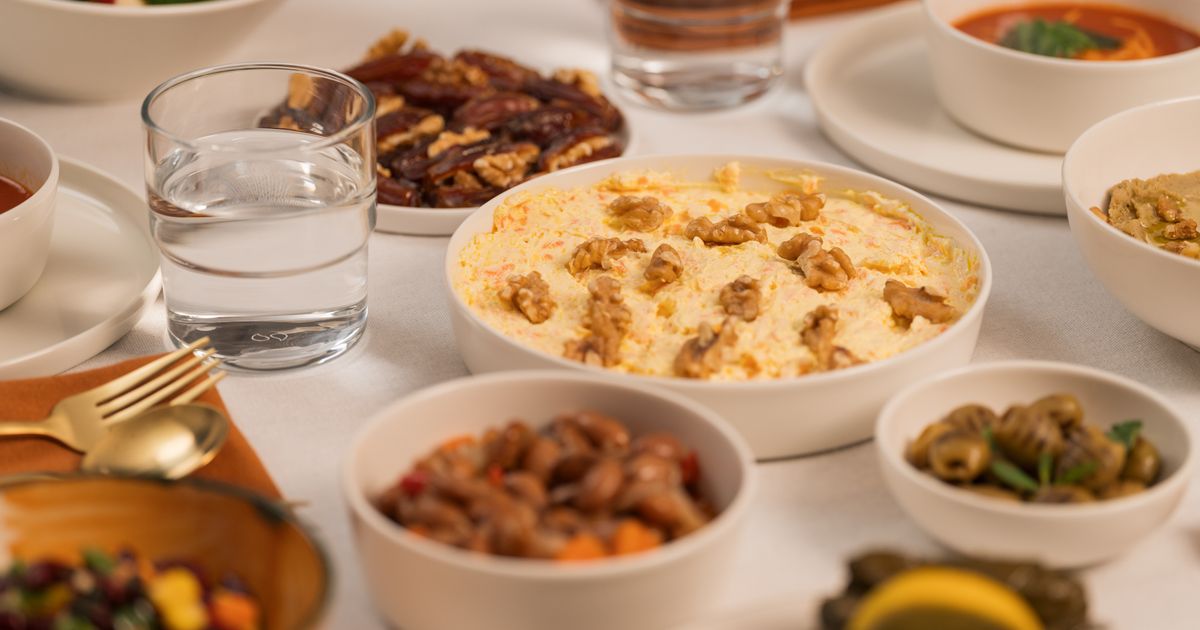
- Dates and water at sunset — the breaking of the fast. Three dates is traditional. Bateel stuffed dates or premium Khalas dates are appropriate.
- Light starters — soup (lentil, harira), small salad, fattoush.
- A 15-minute pause — for Maghrib prayer. Build this into the timeline.
- Main course — biryani, grilled meats, mixed kebabs, vegetarian dal. Avoid heavy creamy dishes.
- Dessert and tea — kunafa, baklawa, qatayef. Arabic coffee and mint tea.
Budget AED 90–180 per head for a proper office iftar from a reputable UAE caterer. Less than AED 90 and you are buying chafing-dish biryani that no one will remember.
Hydration: The Underrated Office Lever
The single most-overlooked office adjustment during Ramadan is hydration infrastructure. Most UAE offices are designed around constant water-cooler access — which is excellent on a normal day and pointless when two-thirds of the team cannot drink. Worse, non-fasting colleagues often unconsciously reduce their own intake out of solidarity, which serves no one.
Practical adjustments:
- Make non-fasting hydration discreet. Reusable bottles, kept at desks, used quietly. This avoids the awkward "drinking in front of fasting colleagues" tension while still meeting hydration needs.
- Stock high-electrolyte options for iftar. Premium Cristaline still water, coconut water, fresh juices. These help fasters rehydrate efficiently from sunset onward.
- Pre-portion suhoor hydration. 1L water bottles labeled with the suhoor station for employees who arrive pre-dawn.
- Reduce sodium across the pantry. High-sodium snacks (salted crisps, processed cheese, deli meat) accelerate dehydration. Swap for unsalted versions during Ramadan.
The World Health Organization's guidance on fasting emphasizes that hydration windows (from iftar to suhoor) should target 8–10 cups of water. Help your team meet that target.
UAE Working Hours in Ramadan 2026: The MOHRE Rules
Per the UAE Ministry of Human Resources and Emiratisation (MOHRE), private-sector working hours are reduced by two hours per day during Ramadan, for all employees regardless of religion. This is mandatory under Federal Decree-Law No. 33 of 2021 governing employment relations.
What this means for UAE offices:
| Standard schedule | Ramadan 2026 schedule (typical) |
|---|---|
| 9:00 a.m. – 6:00 p.m. (8h + 1h break) | 9:00 a.m. – 4:00 p.m. or 10:00 a.m. – 5:00 p.m. |
| 8:00 a.m. – 5:00 p.m. (8h + 1h break) | 9:00 a.m. – 3:00 p.m. or 9:00 a.m. – 4:00 p.m. |
| Friday half-day | Friday significantly reduced; major operations slow |
Key implementation notes:
- The two-hour reduction applies to all private-sector employees, not just fasting Muslims. This is a workplace equity matter, not a religious accommodation.
- Salary cannot be reduced because of the reduced hours.
- Some offices operate split shifts (early morning + late evening) to align with fasters' energy peaks. This works for operational teams but is heavy for knowledge workers.
- Government offices typically run shorter hours (9 a.m. to 2:30 p.m.). Plan your client engagement around this — government touchpoints become a morning-only activity.
Build a clear internal communication 2 weeks before Ramadan starts: confirm the office hours, the meeting policy (no internal meetings after 3 p.m.), the client meeting policy, and the WFH flexibility. Lack of clarity here is the single largest source of Ramadan workplace friction.
Meeting and Workload Adjustments
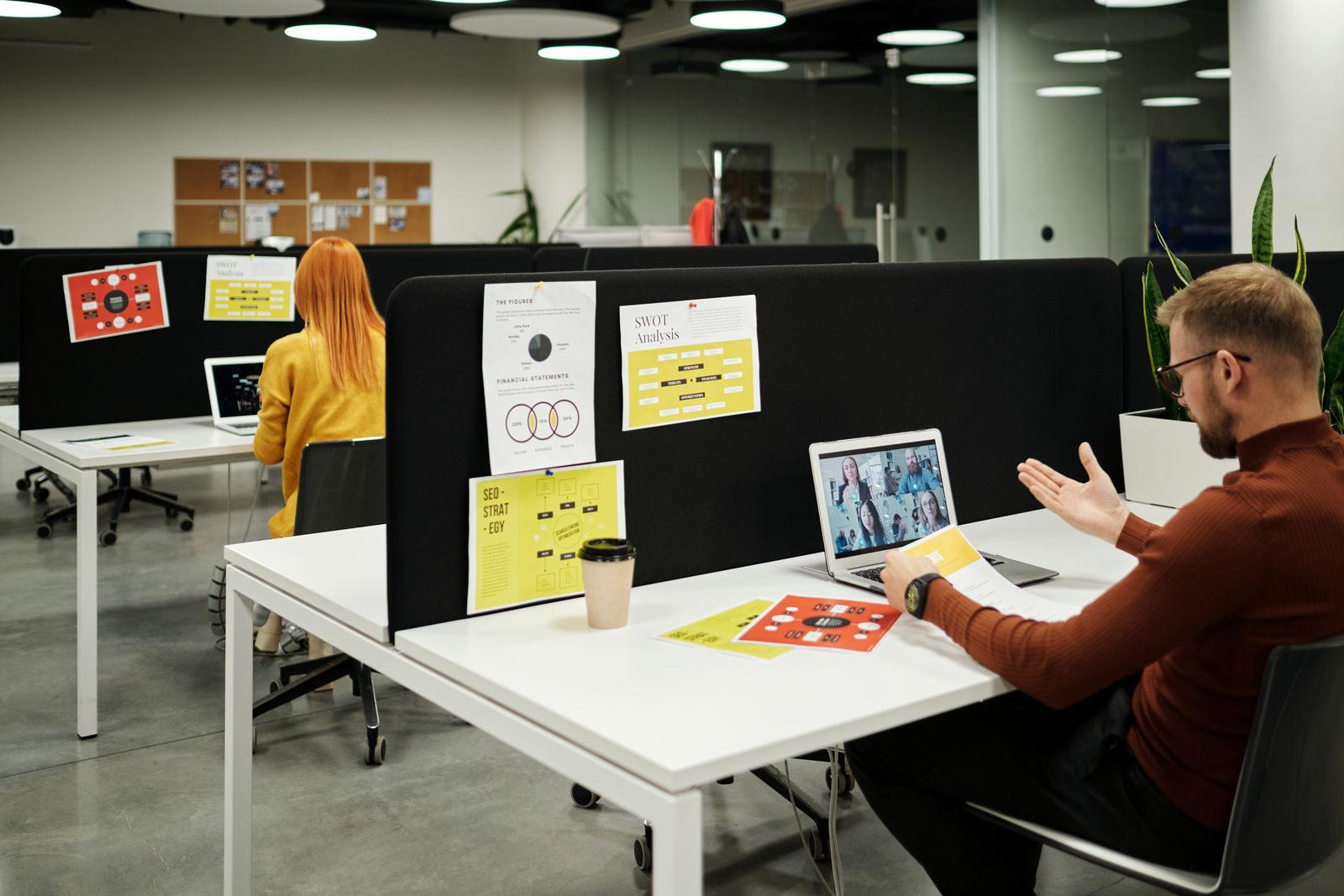
A 30% reduction in working hours requires a 30% reduction in meeting load, not the same calendar squeezed tighter. The discipline:
- Cancel all recurring meetings under 30 minutes. Move to async (email, Slack, Loom).
- Cap all meetings at 30 minutes. Half-hour discipline forces preparation.
- Schedule all client meetings before 1 p.m. Energy is highest, attendance is most reliable, and fasters are not yet in their afternoon dip.
- No internal meetings after 3 p.m. People want to head home and prepare for iftar.
- Defer non-urgent decisions. A new go-to-market plan launched in Ramadan week 3 is a mistake. The decision will be revisited in April.
- Heavy creative or strategic work in the morning (9 a.m. – 12 p.m.). Operational and administrative work in the afternoon.
The companies that emerge from Ramadan strongest are not the ones that "powered through" — they are the ones that consciously slowed.
Inclusive Scheduling for Non-Fasting Colleagues
A meaningful share of UAE office workforces does not fast — Christian, Hindu, Buddhist, Jewish, agnostic, and Muslim colleagues with health exemptions all populate the same office. Good inclusion practice:
- Provide a discreet pantry space. A small designated area where non-fasting colleagues can eat lunch without performing it publicly.
- Maintain a normal lunch option. Catered or pantry-stocked, available 12–2 p.m. Do not eliminate lunch; this disadvantages non-fasters.
- Avoid scheduling food-centric client meetings during the day. Move them to iftar or post-Ramadan.
- Cultural training for new hires. A short Ramadan briefing for non-Muslim employees joining in February prevents inadvertent friction.
The best UAE offices treat Ramadan as a shared organizational shift, not a religious accommodation. The pantry, the schedule, and the meeting rhythm change for everyone — and the company is better for it.
Frequently asked questions
When is Ramadan 2026 in the UAE? Approximately 17 February to 18 March 2026 — a 30-day window with a 13 to 14 hour daily fast in Dubai. February and March are mild by UAE standards at around 24 to 30 degrees Celsius, which makes the fast more sustainable than a summer Ramadan, but the working-day rhythm still shifts dramatically.
Are UAE working hours reduced during Ramadan? Yes. Per MOHRE, private-sector working hours are reduced by two hours per day during Ramadan for all employees regardless of religion, mandatory under Federal Decree-Law No. 33 of 2021. Salary cannot be reduced because of the reduced hours, and this is a workplace equity matter rather than a religious accommodation.
What should an office stock for suhoor? Slow-release complex carbohydrates such as oats, whole-grain bread and quinoa pots that sustain glucose for 5 to 8 hours; high-protein options such as Greek yoghurt, eggs, labneh and hummus; healthy fats such as almonds, walnuts and avocado; and hydration-loaded fruits such as watermelon, oranges, cucumber and dates. Avoid high-sodium snacks, sugary cereals and white-bread anything.
How should meetings change during Ramadan? A 30 percent reduction in working hours requires a 30 percent reduction in meeting load, not the same calendar squeezed tighter. Cancel recurring meetings under 30 minutes and move them async, cap all meetings at 30 minutes, schedule client meetings before 1 p.m., hold no internal meetings after 3 p.m., and defer non-urgent decisions.
Tapering caffeine in the two weeks before Ramadan is far easier when the office machine has a decaf option; the decaf and low-caffeine guide covers how to add one to an existing coffee station and when to launch it.
Caffeine-free drinks are popular after iftar, and the herbal teas guide covers hibiscus, mint and other infusions, plus why liquorice drinks need a caution for people with high blood pressure.
Why This Matters for UAE Offices
Ramadan is the single longest behavioral shift in the UAE corporate calendar. Done well, it creates a 30-day window of focused, intentional work that often outperforms a normal month. Done poorly, it produces a month of frustration, missed deadlines, and team friction that takes the rest of Q2 to repair.
The lever is preparation. Provision the right pantry. Communicate the schedule two weeks early. Cap the meeting load. Run a good iftar. Hydrate, fuel, and rest. Treat both fasters and non-fasters as equal participants in a shared seasonal rhythm.
Planning your office's Ramadan 2026 readiness? Explore our Ramadan-ready pantry solutions, browse our healthy snack and hydration range, or contact our team to design a suhoor and iftar program for your office. For ongoing pantry programs that adapt across seasons, see The Club by MHO and our latest industry insights.