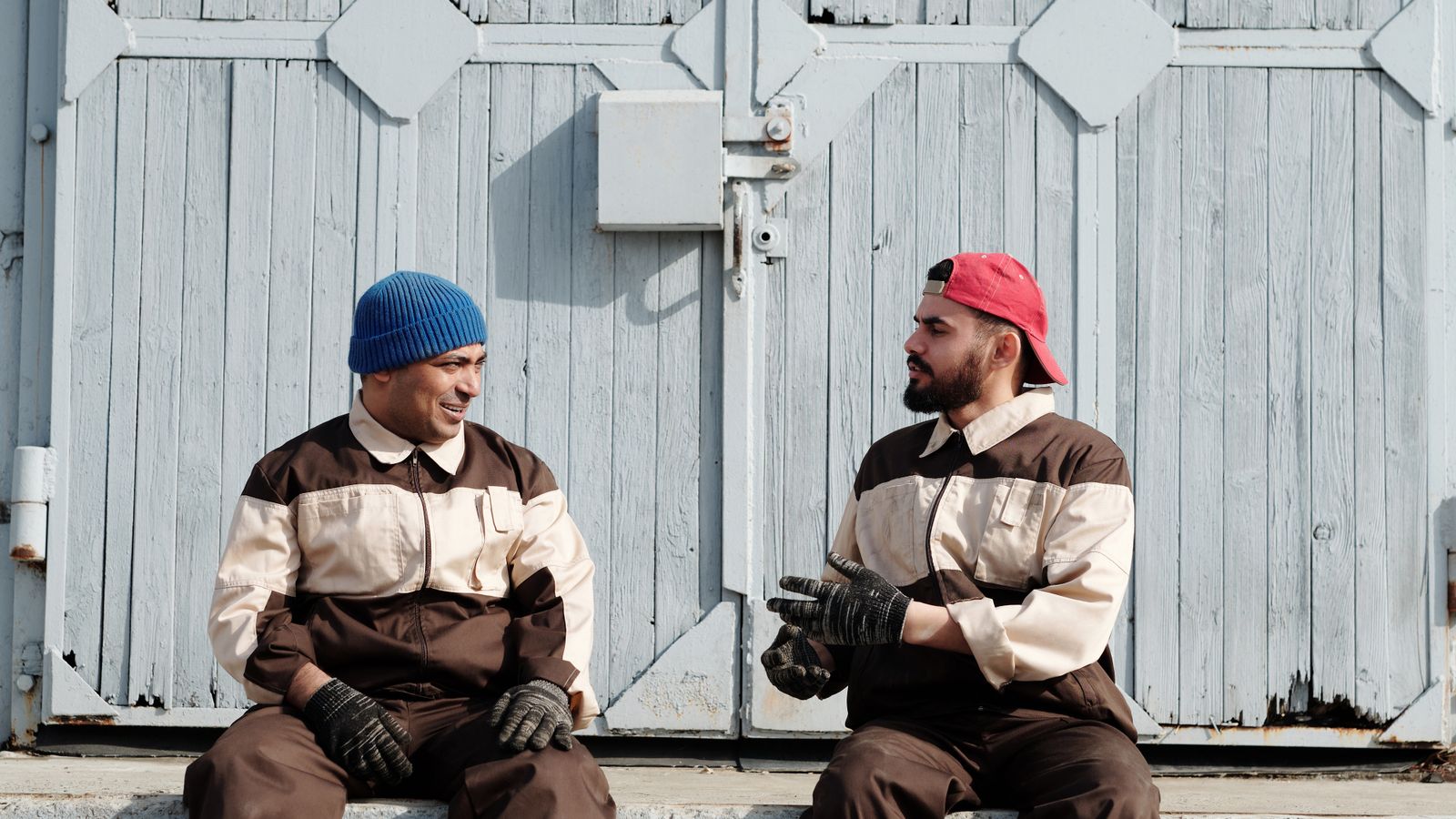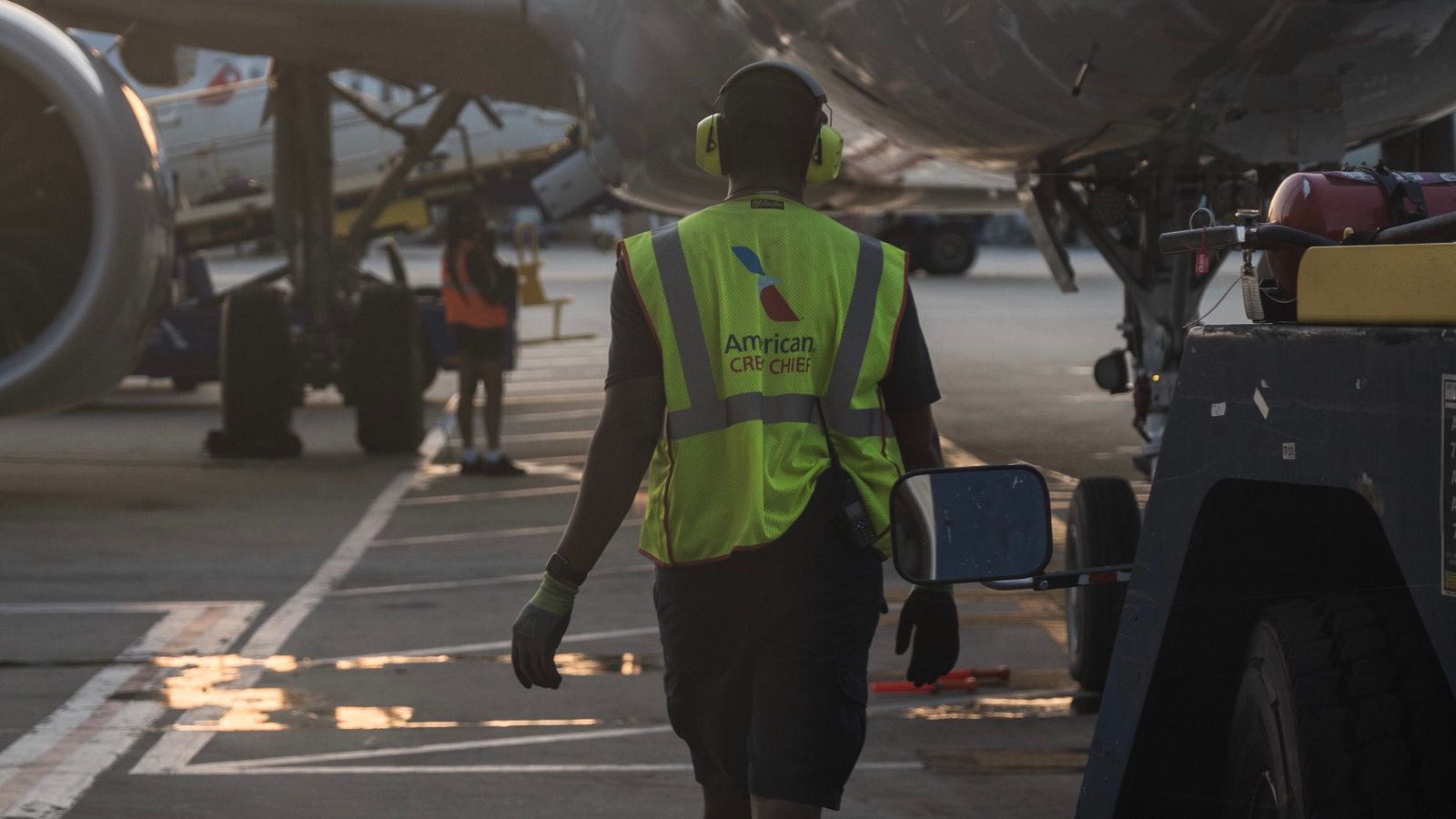
An airport does not have an office pantry. It has dozens of small rooms, scattered across terminals, cargo sheds, hangars and the apron, where people on a shift get twenty to thirty minutes to drink something cold, eat something quick and get back out. The people in those rooms work in some of the hardest conditions in the UAE: a ramp in August is hotter than the air temperature because of the concrete and the engines, a line maintenance team works through the night, and cabin crew between a turnaround have a few minutes in a crew room before the next sector.
This guide is for station managers, ground handling supervisors, crew services teams and facilities managers at airlines, ground handlers, MROs, cargo operators and airport service companies across the UAE. It covers what a crew or break room needs, how to stock it for four shifts, how to get a delivery airside, and how to keep it consistent across a dozen rooms. For the sector overview, including the office side of an airline headquarters, see the aviation and airport services pantry guide; for the geography around Dubai's airports, the Dubai South, JAFZA and airport district guide.
The rooms, and who uses them
Aviation break rooms fall into a few types, and each needs a slightly different stock.
- Ramp and ground operations rooms. Baggage handlers, ramp agents, pushback and tug drivers, fuelling and cleaning crews. Short breaks, heat exposure, heavy physical work. Hydration first, then food that is fast.
- Line maintenance and hangar rooms. Engineers and technicians, often on night shifts, with longer but less predictable breaks. Hot drinks, something filling, and a fridge that works at 03:00.
- Cabin crew rooms. Crew between sectors or on standby. Short stays, high turnover, a need for things that are quick, clean and travel well.
- Terminal operations and customer service rooms. Check-in, gate and lounge staff on rotating shifts. Closer to an office pantry, but on a shift pattern.
- Cargo and freight sheds. Closer to a warehouse; the warehouse and distribution centre break room guide applies almost directly.
The mistake most operators make is to stock all of these as if they were the head office, with a coffee machine, a biscuit tin and a weekly delivery that runs out by Wednesday night shift.
Hydration is the first line
A person working on the apron in summer can lose more than a litre of fluid an hour. The break room's job is to replace it.
- Cold water, in volume. A chilled, plumbed dispenser where the plumbing allows, bottled water where it does not, and enough of it: plan on three to four litres per person per shift in summer for ramp staff, half that for terminal staff. The summer hydration playbook gives the figures and the water cooler versus bottled guide covers the equipment.
- Electrolytes. Sweat loss on the ramp is not replaced by water alone. Keep electrolyte drinks and coconut water in the ramp rooms through the summer, and make them free rather than a vending purchase.
- Ice. An ice machine in the ramp room is one of the most-used pieces of equipment at a UAE airport. The ice machines guide covers hygiene and sizing.
- Take-out bottles. Ramp staff cannot carry a cup. Stock small bottles they can take back out and a cooler box at the door.
The legal side matters here. UAE employers must provide drinking water at the workplace, and outdoor work is restricted in the midday hours from mid-June to mid-September. The labour law and drinking water guide sets out what applies, and the corporate hydration policy template turns it into a document an HSE auditor accepts.
Food for a 25-minute break
The break is short, the hands may be dirty and the next task is waiting.
- Grab-and-go first. Wrapped snack bars, nuts, dried fruit and dates, fruit that does not need a knife. The dried fruits and dates guide and the snack bars guide cover the options.
- Something hot that is quick. Instant noodles, soup sachets, oats and a microwave. On a night shift this is often the only hot food available; the instant soups and ready meals guide covers what to stock.
- Protein for physical work. Yogurt, cheese portions, boiled eggs in the fridge and protein shakes for teams that want them.
- Tea over coffee, in many rooms. A large share of ramp and cargo staff prefer tea, and karak in particular. The karak chai guide shows how to serve it from a dispenser rather than a stove, which matters in a room with an airside fire rule.
- Halal as standard, labelled. Aviation workforces are among the most diverse in the country. The halal compliance guide covers certification and the allergen labelling guide covers the shelf labels.
Four shifts, one order
An airport runs around the clock, and the night shift at 03:00 has the same claim on the break room as the morning shift at 09:00. The 24/7 and shift-based workplaces guide covers the general method; for aviation the practical rules are:
- Stock per shift, not per day. Four shifts of 40 people are 160 breaks, each in a 25-minute window. Size the fridge, the water and the snacks for the busiest shift, and restock between shifts.
- Name a restocker on each shift. A supervisor or a crew services agent checks the room at handover and tops up from the store. Without this, the night shift inherits whatever the evening left.
- Hold a buffer in the store. Two days of water and shelf-stable snacks in a locked store near the rooms, because the delivery slot can be missed for operational reasons that nobody controls.
- Order weekly, deliver twice. A single weekly delivery to an airport cannot keep a chilled range fresh for seven days of four shifts. Two deliveries a week, with the chilled items on both, works.
Getting a delivery airside
This is where aviation differs from every other sector.
- Landside rooms (terminal offices, cargo village offices, headquarters) take a normal delivery with a loading-bay booking.
- Airside rooms (ramp rooms, hangars, apron crew rooms) need either a supplier with airport security passes and an airside vehicle permit, or a landside handover to the operator's own staff, who carry the stock through the staff screening point. Most operators use the handover method: the supplier delivers to a landside store or a designated gate at an agreed time, and the operator's logistics or crew services team moves it airside.
- Security screening applies to food and drink. Sealed, labelled products pass through staff screening; open containers and some liquids do not. Keep the stock in its sealed cases until it reaches the room.
- Free zone paperwork. Operators in Dubai South, DAFZA or the airport free zones may need a gate pass per delivery; the free zone delivery guide covers the process.
Agree the handover point, the time window and the named receiver with the supplier before the first order. An unannounced van at a cargo gate goes home with the stock.
Keeping twelve rooms consistent
An airline base might run a dozen break rooms across two terminals, a hangar and a cargo shed. The standard slips in the rooms nobody visits.
- Write a one-page room standard: what is stocked, par levels, who restocks, how to report a fault.
- Put a laminated copy on the wall and a photo of a correctly stocked room next to it.
- Audit monthly with a checklist; the office pantry audit guide has one to adapt.
- Run every room on one account with one invoice, split by cost centre. The multi-site pantry management guide covers the structure.
Aviation employers in the UAE
The sector concentrates around Dubai South and Al Maktoum International, the Dubai International terminals and cargo village, and the Abu Dhabi International airport zone. Airline headquarters and ground handler offices sit in the same districts, often with a landside office pantry run on the normal corporate model and an airside operation that needs this guide.
My Healthy Office supplies aviation and airport service companies across Dubai and Abu Dhabi with water, electrolyte and cold drinks, shift-ready snacks, tea and coffee, and the landside handover arrangements an airside operation needs.
The short version
- Hydration first: cold water in volume, electrolytes in summer, ice, take-out bottles for the ramp.
- Grab-and-go food, something hot and quick for nights, halal as standard and labelled.
- Stock per shift, name a restocker at every handover, hold a two-day buffer.
- Agree the airside handover point and time with the supplier before the first order.
- One room standard, one monthly audit, one account for all rooms.
Frequently Asked Questions
How much water does an airport ramp team need in summer? Plan on three to four litres per person per shift for ramp and apron staff in the summer months, with electrolyte drinks available alongside the water, and about half that for terminal and office staff.
Can a pantry supplier deliver airside at a UAE airport? Usually not directly. The standard arrangement is a landside handover: the supplier delivers sealed stock to an agreed store or gate at a set time, and the operator's own staff move it through staff screening to the airside rooms.
What should a crew room stock for the night shift? Cold water, tea and coffee, instant noodles or soup with a microwave, yogurt and cheese in the fridge, wrapped snacks and fruit. Restock at the shift handover so the night team does not inherit an empty room.
How do we keep a dozen break rooms to the same standard? Write a one-page room standard with par levels and a named restocker per shift, put it on the wall with a photo of a correctly stocked room, audit monthly and run every room on one account split by cost centre.
Are there rules about hydration for outdoor airport staff in the UAE? Yes. Employers must provide drinking water, and outdoor work is restricted during the midday hours from mid-June to mid-September. A written hydration policy covering the ramp is what HSE auditors expect to see.
Does My Healthy Office deliver to Dubai South and the airport free zones? Yes. We deliver to offices and landside stores in Dubai South, the airport zones and Abu Dhabi, with gate passes and handover times arranged with the operator in advance.