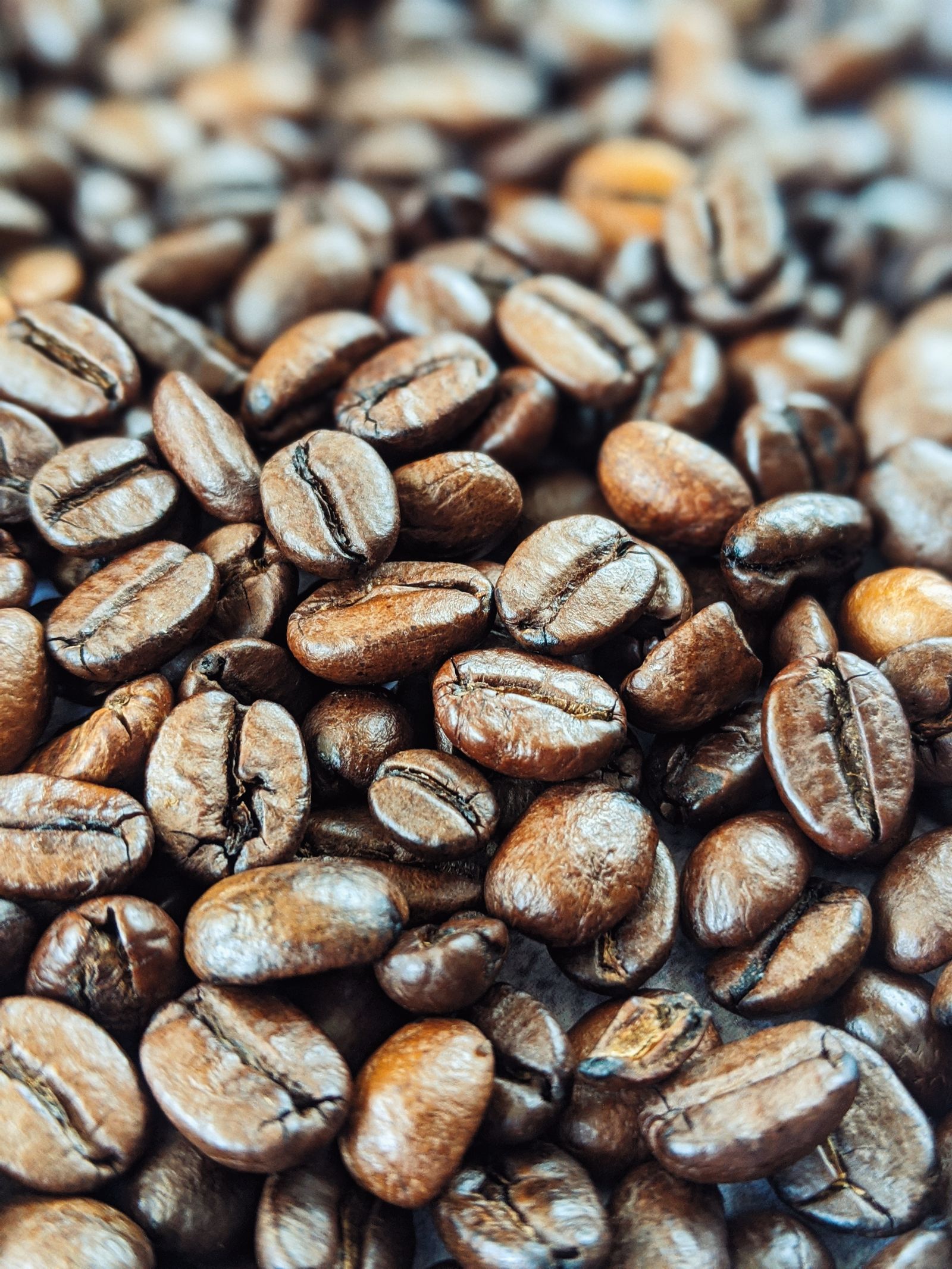
Most complaints about office coffee are blamed on the machine or the beans. Often the real cause is time. The beans were roasted months ago, a 1 kg bag was opened on Sunday and is still in the hopper on Thursday, or the spare stock sits in a cupboard above the dishwasher. The same beans that taste good in a café taste flat and sour in the pantry.
This guide covers what freshness means for coffee, how to read a coffee bag, how to store beans in a UAE office, how much to order and how to tell when coffee has gone stale.
Why coffee goes stale
Roasting fills coffee beans with carbon dioxide and creates the aromatic compounds that give coffee its flavour. From the moment roasting ends, three things happen:
- Carbon dioxide escapes. This is why freshly roasted coffee foams and why espresso has crema. As the gas leaves, crema thins and the coffee tastes flatter.
- Aroma compounds evaporate. The most volatile, pleasant aromas go first.
- Oils oxidise. Over weeks and months, oxidation gives coffee a papery, cardboard or rancid taste.
Heat, air, light and moisture all speed this up. Grinding speeds it up most of all, because it multiplies the surface area exposed to air. Whole beans lose quality over weeks. Ground coffee loses noticeable aroma within minutes to hours.
Stale coffee is not a safety problem. It is a quality problem, and it is one of the cheapest to fix.
Roast date versus best-before date
Most coffee bags carry a best-before date, often 12 to 18 months after packing. That date tells you when the coffee is still safe and acceptable to sell. It does not tell you when it tastes best.
Speciality and many office roasters also print a roast date. That is the date that matters.
| Time since roasting | What to expect |
|---|---|
| 0 to 4 days | Still releasing a lot of gas. Espresso can be uneven and bubbly. |
| About 5 days to 4 weeks | The best window for most espresso and bean-to-cup machines. |
| 4 to 8 weeks | Still good, slowly losing aroma and crema, especially once opened. |
| Over 2 to 3 months | Noticeably flat. Fine in milk drinks, weak as espresso or black coffee. |
Filter coffee can be used a little sooner after roasting, from about 3 days. These are rules of thumb. Darker roasts lose aroma faster than lighter roasts, and nitrogen-flushed bags with one-way valves hold freshness longer while sealed.
When buying, ask the supplier:
- Is the roast date printed on the bag?
- How many days after roasting is coffee normally delivered?
- Is the coffee packed in valve bags, and are they nitrogen flushed?
- How is stock stored before delivery?
If a supplier cannot tell you the roast date, you have no way of knowing whether the beans are three weeks or nine months old.
Whole beans, ground coffee and pods
| Format | How long it stays at its best once opened | Notes |
|---|---|---|
| Whole beans | About 2 to 4 weeks in a sealed container | Best for bean-to-cup and espresso machines with a grinder. |
| Pre-ground coffee | About 1 week | Loses aroma fast. Buy small bags only. |
| Pods and capsules | Months while the capsule is sealed | Each capsule is sealed separately, which is the main advantage. |
Pods trade freshness control for convenience and a higher cost per cup. The coffee beans versus pods guide compares the cost of each. If the office uses whole beans, the rest of this guide applies.
Grind on site. Buying whole beans and grinding them just before brewing is the single biggest freshness gain available. Bean-to-cup machines do this automatically. If the office uses filter coffee, a grinder costs much less than the flavour it saves.
The hopper: where most freshness is lost
A bean-to-cup machine's hopper is convenient but not airtight. Beans in the hopper sit in warm air next to a hot machine, and many hoppers have clear lids that let light in.
Hopper rules:
- Fill for one or two days, not a week. Add only what will be used in about 24 to 48 hours. Keep the rest sealed.
- Do not top up old beans with new. Let the hopper run nearly empty, then refill. Otherwise a layer of old beans stays at the bottom.
- Wipe the hopper weekly. Coffee oils build up on the walls, go rancid and taint fresh beans. Empty it, wipe with a dry or slightly damp cloth, and let it dry completely before refilling.
- Close the lid. It sounds obvious, but an open lid speeds up staling and lets in dust.
- Do not leave beans in the hopper over a long weekend or holiday. Empty it into a sealed container before Eid or year-end closures.
The equipment maintenance guide covers grinder and brewer cleaning as part of the wider machine routine. Grinder burrs also collect stale oils and fine particles, so clean them as the manufacturer recommends.
Storing beans in a UAE office
The UAE adds two problems: heat and humidity. Offices are air-conditioned, but pantries often have warm spots that people do not notice.
Good places for spare stock:
- A closed cupboard away from the coffee machine, dishwasher, kettle and fridge exhaust.
- A cool storeroom that stays air-conditioned at weekends.
- Out of direct sunlight. Glass-walled pantries in towers can get very warm in the afternoon.
Bad places:
- On top of the coffee machine. The cup warmer is designed to be hot.
- Above the dishwasher, where steam rises every time it opens.
- Next to the window, or on a counter that gets afternoon sun.
- In a delivery van or loading bay. In summer, a closed vehicle can get far hotter than 50 °C inside. Ask the supplier how long coffee spends in transit, and take deliveries inside promptly.
- Any room where the air conditioning is switched off at weekends.
Containers. Keep opened beans in their original valve bag, rolled down and clipped tight, or in an opaque airtight canister. Clear jars look good on a counter but let light in. Avoid canisters much larger than the amount of coffee, because the trapped air stales the beans.
Humidity. Beans absorb moisture and odours. Keep them sealed, away from the sink, and away from strong-smelling food such as spices or karak masala.
Should office coffee go in the fridge or freezer?
The fridge: no. A fridge is humid and full of food smells. Every time cold beans are taken into a warm, humid pantry, moisture condenses on them. That is exactly what staling needs.
The freezer: only for unopened or portioned stock. Freezing slows staling a great deal, but only if it is done properly:
- Freeze unopened bags, or divide beans into airtight portions of a few days' use.
- Take out one portion at a time and let it reach room temperature before opening, so condensation forms on the outside of the bag rather than on the beans.
- Never refreeze beans that have been thawed.
For most offices, freezing is not worth the effort. Ordering smaller quantities more often solves the same problem with less handling.
How much to order
Order little and often. A delivery every one to two weeks keeps beans in their best window.
A rough calculation:
- A single espresso uses about 7 to 9 g of coffee. A double, which most bean-to-cup machines use for larger drinks, uses about 14 to 18 g.
- At about 16 g per drink, 1 kg of beans makes about 60 drinks.
- An office of 30 people averaging two coffees a day uses about 60 drinks a day, roughly 1 kg a day or 5 kg a week.
Choose bag size by daily use:
- If the office uses less than 250 g a day, 250 g or 500 g bags keep each opened bag fresher.
- If the office uses 1 kg or more a day, 1 kg bags are fine because each one is used within a day or two.
In hybrid offices, plan for the busiest days, and avoid opening a new 1 kg bag on a quiet Friday. The inventory management guide covers par levels and first-in-first-out rotation. For coffee, rotate by roast date, not delivery date.
How to tell if coffee is stale
| Sign | What it usually means |
|---|---|
| Thin, pale crema that disappears quickly | Beans have lost most of their gas |
| Flat, dull, papery or cardboard taste | Aromas gone, oils oxidising |
| Sour and thin espresso even after adjusting the grind | Often stale beans, sometimes grinder settings |
| Oily, rancid smell from the hopper | Old oil build-up on the hopper or burrs |
| Little or no aroma when the bag is opened | Old beans or a poorly sealed bag |
Before blaming the beans, rule out the basics: water quality, grinder setting, and machine cleaning. The water filtration guide explains why water matters in coffee as much as beans do.
Decaf, flavoured and speciality beans
- Decaf is usually ordered in smaller quantities, so it is often the stalest coffee in the office. Buy small bags. The decaf and low-caffeine guide covers options.
- Flavoured beans leave flavouring oils in the hopper and grinder. Keep them out of the main machine, or offer flavour through syrups instead.
- Speciality single origins are worth paying for only if they are used fresh. In a busy office with a quick turnover, they can be a good upgrade. In a quiet office, a fresh blend beats an old single origin.
- Arabic coffee uses lightly roasted beans and cardamom, usually ground fresh or bought in small packs. The Arabic coffee and dates guide covers serving it.
Freshness checklist
- Buy beans with a printed roast date.
- Use beans between about 5 days and 4 weeks after roasting for espresso.
- Order every one to two weeks, in bag sizes that match daily use.
- Fill the hopper for one or two days only, and wipe it weekly.
- Store spare beans sealed, opaque, cool and away from machines, steam and sun.
- Do not refrigerate. Freeze only unopened or portioned bags.
- Empty the hopper before long weekends and holidays.
- Rotate by roast date.
Freshness in different offices
- Professional services. Law firms, consultancies and family offices serve coffee to clients as well as staff. Client meeting rooms are where stale espresso is noticed first, so keep a small, fresh supply there. The office coffee programmes guide covers setting up a client-facing service.
- Finance. Banks and financial services firms in ADGM and fintech companies often run several machines across floors. Track use per machine so quiet floors get smaller bags.
- Tech and media. Tech companies and startups in Dubai Internet City and Dubai Silicon Oasis, and media and creative agencies in Dubai Media City and d3, often drink a lot of coffee and go through beans quickly. Their main risk is the hopper, not the bag.
- Coworking spaces. Coworking operators have uneven demand across the week. Smaller, more frequent deliveries keep the coffee consistent for members.
- Property and real estate. Real estate firms with sales galleries and show offices often have machines that are busy at weekends and idle midweek. Empty the hopper on quiet days.
- Tower offices. Teams in Business Bay, Downtown Dubai, JLT and Dubai Marina often have glass-walled pantries. Keep spare stock away from the windows.
MHO delivers office pantries across Dubai and the rest of the UAE, and works with offices in many industries.
Where coffee fits in the wider pantry
Fresh beans need the rest of the coffee station to work too. The coffee and coffee machines range covers beans, pods and machines. The milk and dairy guide and the plant-based milk guide cover what goes in the cup, and the sugar and sweeteners guide covers what goes beside it. For non-coffee drinkers, the herbal teas range covers caffeine-free options.
Keeping the station clean protects the beans as well as the staff. The office hygiene range, cleaning supplies range and facility hygiene range cover the wipes, cloths and sanitiser the pantry needs. Many offices add their stationery and office furniture to the same delivery to save on separate orders.
If the pantry is being redesigned, plan a closed, cool cupboard for coffee stock away from the machine and dishwasher. The office fit-outs and services range and the coffee station upgrade guide cover the layout and accessories.
The short version
- Coffee goes stale through gas loss, aroma loss and oxidation. Grinding speeds this up most.
- The roast date matters more than the best-before date.
- For espresso and bean-to-cup machines, the best window is roughly 5 days to 4 weeks after roasting.
- Fill the hopper for one or two days, wipe it weekly, and empty it before long breaks.
- Store beans sealed, opaque and cool, away from the machine, steam and sun.
- Do not refrigerate coffee. Freeze only sealed portions.
- Order every one to two weeks in bag sizes that match daily use.
MHO supplies coffee beans, pods, machines and the rest of the coffee station to offices across the UAE. Talk to the team about a delivery schedule that keeps coffee fresh.
Frequently asked questions
How long do coffee beans stay fresh? For espresso and bean-to-cup machines, beans are usually at their best from about 5 days to 4 weeks after roasting. Sealed valve bags hold freshness longer. Once a bag is opened, use it within about 2 to 4 weeks.
Is the best-before date on coffee the same as freshness? No. The best-before date, often 12 to 18 months after packing, shows how long the coffee stays safe and acceptable to sell. The roast date shows freshness. Ask suppliers to deliver bags with a printed roast date.
Should we keep coffee beans in the fridge? No. The fridge is humid and smells of food, and moisture condenses on cold beans when they are taken into a warm pantry. Store beans sealed in a cool, dark cupboard instead.
Can coffee beans be frozen? Yes, if they are sealed. Freeze unopened bags or airtight portions, let each portion reach room temperature before opening it, and never refreeze. For most offices, ordering smaller amounts more often is simpler.
How much coffee should be put in the hopper? Only enough for about one or two days. Beans in the hopper are exposed to air, light and machine heat. Let the hopper run nearly empty before refilling, and wipe it out weekly.
How much coffee does an office use? At about 16 g per drink, 1 kg of beans makes roughly 60 drinks. An office of 30 people drinking two coffees a day uses about 1 kg a day, or about 5 kg a week.
Why does our office coffee taste sour or flat? Common causes are stale beans, a grinder that needs adjusting, a dirty machine or poor water. Check the roast date and hopper first, then the grinder setting, cleaning schedule and water filter.