Nuts are everywhere in an office pantry. Trail mix, granola, protein bars, maamoul, baklava, chocolate and almond milk all sit on the same shelves. For most people that is fine. For a colleague with a peanut or tree nut allergy, it can be dangerous.
Nut allergies can cause severe reactions, including anaphylaxis, from a small amount of food. Most reactions at work come from simple things: an unlabelled box of sweets, a shared scoop in the nut jar, or a pastry nobody thought to check. This guide explains how to run a pantry that keeps those risks low without removing everything people enjoy.
It is practical guidance, not medical advice. The colleague with the allergy and their doctor are the best source on what they need.
Peanuts and tree nuts are different
People often say "nut allergy" as if it were one thing. It is usually two:
- Peanuts are legumes, related to beans and lentils, even though they are eaten like nuts.
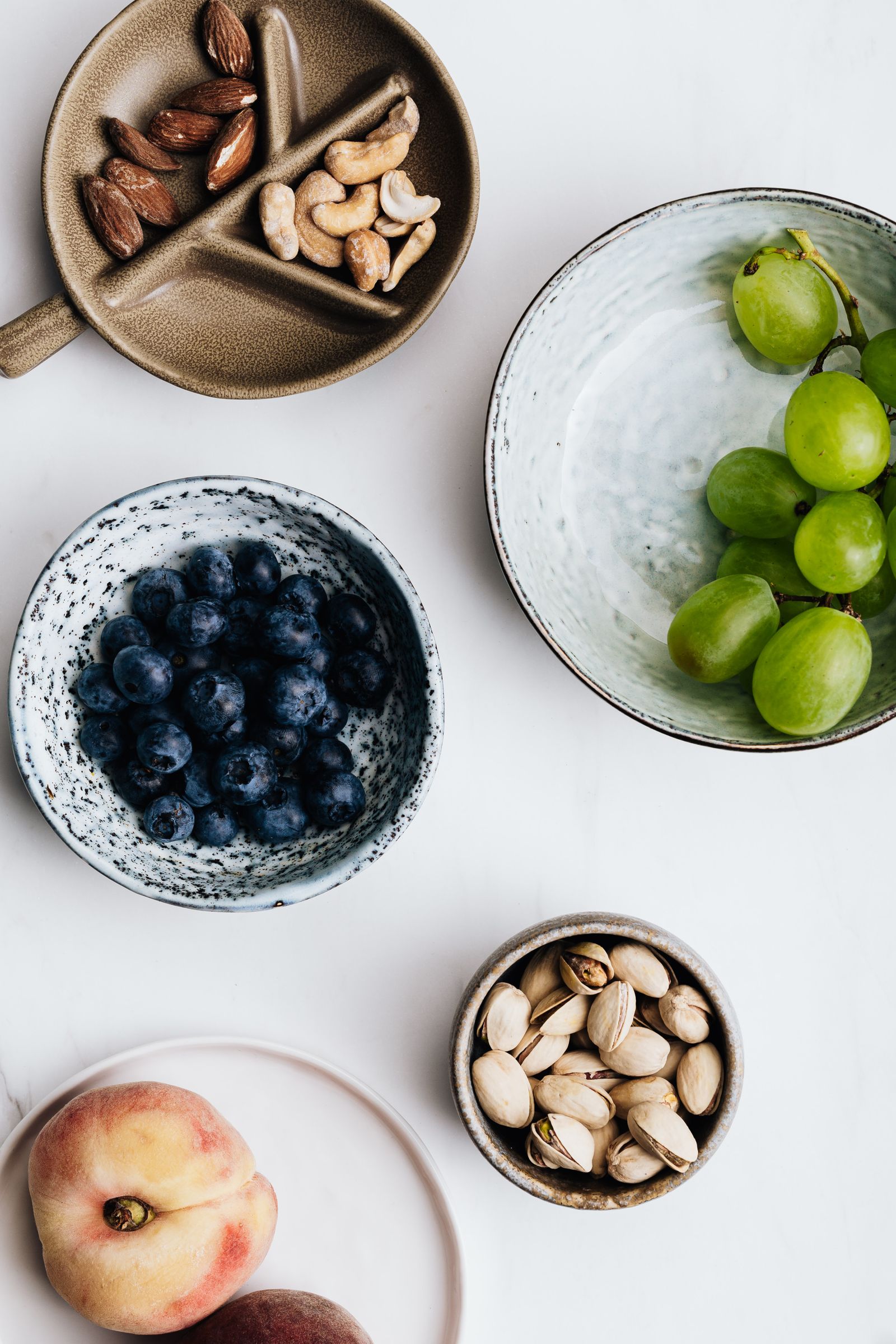
- Tree nuts include almonds, cashews, hazelnuts, walnuts, pistachios, pecans, Brazil nuts and macadamias.
Someone can be allergic to peanuts and not tree nuts, to one tree nut and not others, or to both. Ask the person what applies to them rather than guessing.
A few foods cause regular confusion:
- Coconut is not treated as a tree nut in most allergy guidance, and most people with tree nut allergies can eat it, but check with the individual.
- Pine nuts are seeds, but they are often grouped with nuts and some people react to them.
- Sesame is not a nut, but it is a common allergen in its own right. It is in tahini, hummus, halva and za'atar.
Nut-free or nut-aware?
There are two common approaches.
Nut-free means no nuts or nut products anywhere in the office. It sounds safest, but it is very hard to guarantee. People bring in their own food, gifts arrive from clients, and many products carry "may contain nuts" warnings.
Nut-aware means nuts are allowed, but with clear rules: sealed individual packs only, a separate shelf, no shared open containers, clear labels, and good cleaning. Many schools and workplaces use this approach because it is realistic and still reduces risk.
For most offices, a nut-aware pantry is the better default. Move to a stricter nut-free area, such as one kitchen or floor, if a colleague's doctor advises it or if the person has had severe reactions to traces of nuts.
Whichever approach you choose, write it into your pantry rules. The office pantry policy template and the kitchen etiquette guide both have sections you can adapt.
Where nuts hide in a UAE pantry
Obvious nut products are easy to spot. The risk comes from items people do not think of. Common hidden sources:
| Item | Possible nut content |
|---|---|
| Maamoul, baklava, kunafa | Pistachio, walnut or almond fillings and toppings |
| Arabic and Indian sweets | Pistachio, almond and cashew are very common |
| Granola, muesli and cereal bars | Almonds, hazelnuts, nut butters |
| Protein bars and balls | Peanut or almond butter, cashew bases |
| Chocolate and spreads | Hazelnut, praline, nougat |
| Marzipan and some cakes | Almond paste and almond flour |
| Pesto and some sauces | Pine nuts, cashews, sometimes walnuts |
| Satay and some curries | Peanut, or cashew paste in creamy curries |
| Dukkah and spice blends | Hazelnuts or almonds |
| Plant milks | Almond, cashew and hazelnut drinks |
| Vegan cheeses and desserts | Often cashew-based |
Many of these are covered in more detail in the biscuits, cookies and maamoul guide, the snack bars guide and the chocolate and confectionery guide.
How to read the label
In the UAE, prepacked food follows the GCC labelling standard, which requires major allergens, including peanuts and tree nuts, to be declared on the label. In practice:
- Check the ingredients list, where allergens are usually shown in bold or listed in a separate "contains" statement.
- Check for "may contain" warnings. Phrases like "may contain traces of nuts" or "made in a factory that handles nuts" are voluntary and not standardised. A product without one is not guaranteed to be free of traces.
- Check imported products carefully. Arabic and English labels should match. If a sticker has been placed over the original label, read both where you can.
- Check every time you reorder. Recipes and factories change. A product that was safe last month may now carry a new warning.
Unpackaged food, such as bakery items, office cakes and catering, has no label at all. Ask the supplier in writing what it contains. The allergen and dietary labelling guide has a simple label format for anything you plate up yourself.
Storage and serving
Most cross-contact in an office happens at the serving stage, not in the factory. A few rules make a big difference:
- No open shared bowls of nuts. Bulk nuts in a scoop jar spread dust and fragments onto everything nearby. Switch to sealed single-serve packs. The nuts and seeds supply guide explains portion pack options.
- A separate, labelled shelf. Keep nut products on one shelf, ideally the lowest, so crumbs cannot fall onto other food.
- A labelled nut-free area. One shelf or one basket of products checked as nut-free makes it easy for the colleague with the allergy to find safe food.
- Separate jars and spoons. Peanut butter and chocolate spread knives should never go back into other jars. Keep a separate, clearly labelled jar for nut-free spreads.
- Separate plant milks. If you stock almond milk, keep it apart from oat and soy milk and use a separate jug. The plant milks for office coffee guide covers this.
- Shared equipment. Blenders and smoothie jugs used with nut butters are hard to clean fully. The smoothies and blender station guide suggests a separate nut-free jar.
Cleaning: soap and water, not hand gel
Food allergens are proteins. Alcohol hand gel does not remove them from hands. Soap and water, or ready-to-use cleaning wipes, do.
- Ask people to wash their hands after eating nuts, especially before touching shared kettles, fridges and coffee machine buttons.
- Wipe tables and counters with detergent and water or cleaning wipes after meals, not only with sanitiser spray.
- Wash shared crockery in a dishwasher or with hot soapy water, and do not reuse a plate or bowl that held nuts without washing it.
The cold and flu season hygiene guide lists the high-touch points worth wiping daily, and the same list works for allergens.
Safe swaps
A nut-aware pantry does not have to be a boring one. Good alternatives to nut-based snacks:
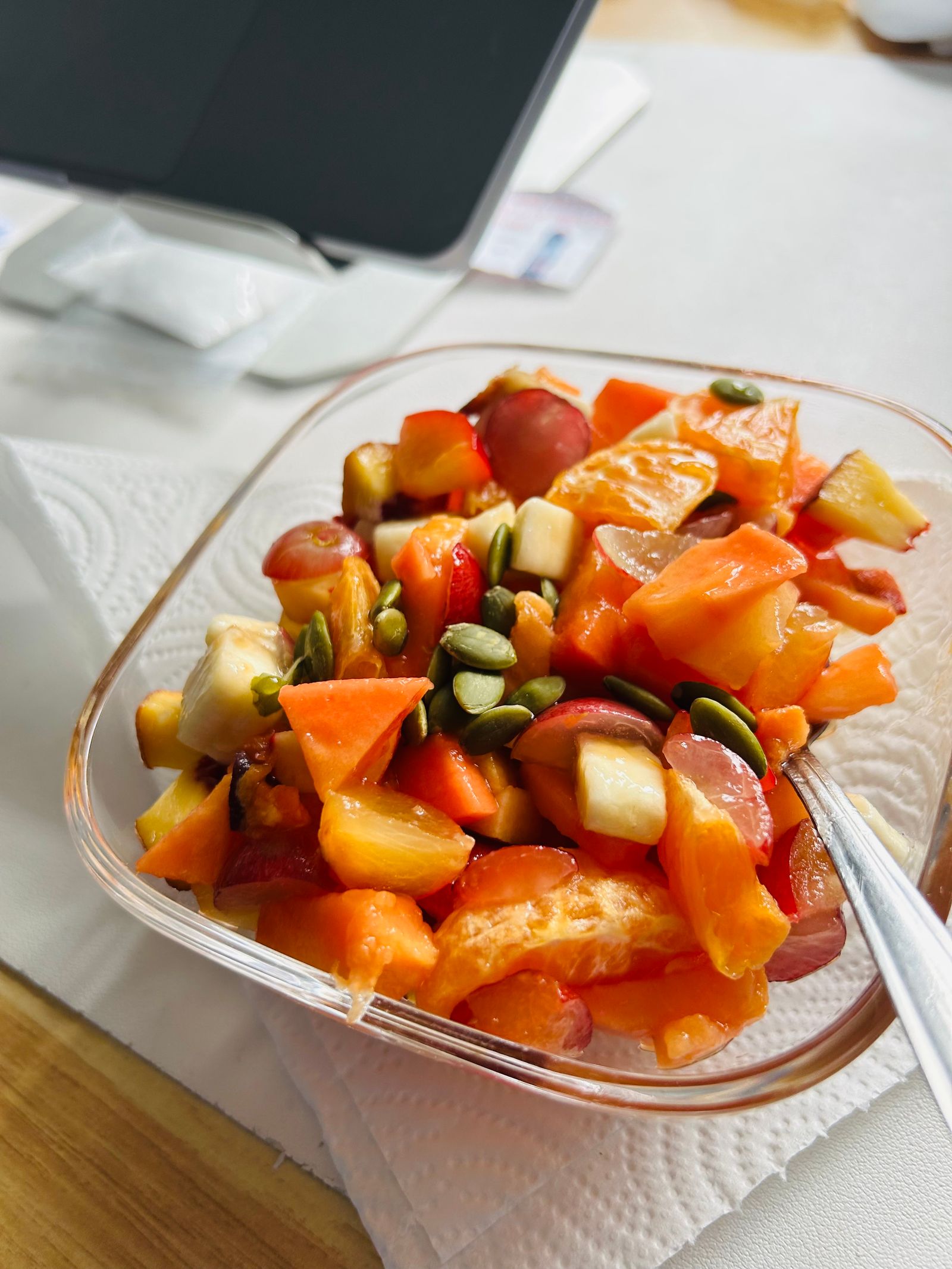
- Fruit and vegetables, whole or cut. The office fruit delivery guide covers options.
- Seeds such as pumpkin and sunflower seeds, checked for "may contain" warnings, since many are packed on nut lines.
- Roasted chickpeas, popcorn, rice cakes and crackers, covered in the savoury snacks guide.
- Dates and dried fruit, checked for packing warnings. The dates and dried fruits guide has more detail.
- Seed butters such as sunflower seed butter in place of peanut butter.
- Yoghurt, labneh and hummus in single pots, covered in the office fridge guide. Remember hummus contains sesame.
- Oat, soy or dairy milk as the default plant milk instead of almond.
Celebrations, gifts and catering
Most allergy incidents at work happen at events, not at the pantry shelf.
- Birthday cakes and sweets: ask the bakery for an ingredients list, and order a separate nut-free option if needed. The office birthday cakes guide covers labelling.
- Client gifts and hampers: boxes of sweets, dates and chocolates often contain nuts. Put them on the labelled nut shelf, not loose on a meeting table. The year-end hampers guide suggests nut-free hamper contents.
- Catering: add a dietary and allergy question to every event invitation, and tell the caterer in writing. The lunch and learn catering guide explains how to label boxes.
- Festive seasons: Eid, Diwali, National Day and Ramadan bring a lot of nut-heavy sweets into the office. Remind everyone of the rules before each one.
If someone has a reaction
Agree the plan with the colleague in advance, ideally written down and shared with first aiders.
- Know the signs: swelling of the lips, face or throat, hives, difficulty breathing, wheezing, vomiting or feeling faint.
- Use their adrenaline auto-injector if they carry one and have asked colleagues to help, following the instructions on the device.
- Call 998 for an ambulance in the UAE, even if symptoms seem to improve.
- Do not leave the person alone, and let them sit or lie in the position they find easiest to breathe.
Make sure your first aiders know who carries an auto-injector and where it is kept. Auto-injectors are prescription medicines, so speak to your occupational health provider or a doctor before deciding whether the office should hold spares.
Privacy and inclusion
Allergy information is health information. Collect it only with the person's agreement, keep it confidential and share it only with the people who need it, such as first aiders and the pantry manager. The colleague decides how much they want the wider team to know.
A good nut-aware pantry should not single anyone out. The aim is that everyone, including the person with the allergy, can use the pantry without needing to ask for special treatment.
Allergy-aware pantries by category
Every product range in the pantry needs a quick check:
- Breakfast and corporate events: pastries and granola are common nut sources.
- Fruit and cut vegetables: naturally nut-free, and the easiest safe option.
- Coffee and coffee machines: watch hazelnut and almond syrups.
- Dairy and plant-based milk: keep almond and cashew drinks separate.
- Juices and waters: usually nut-free, but check smoothie blends.
- Herbal teas: some blends include almond pieces.
- Dried fruits: check "may contain" warnings on mixes.
- Nuts and seeds: single-serve packs on a separate shelf.
- Low-sugar treats: many use nut flours and nut butters.
- Office snacks: the category with the most hidden nuts.
- Meat alternatives: some plant-based products use nuts.
- Office hygiene, cleaning supplies and facility hygiene: detergent, wipes and hand soap matter more than sanitiser here.
- Stationery and office furniture and office fit-outs and services: a pantry layout with a separate allergen shelf is easier to plan at fit-out stage.
The full product categories list shows what MHO supplies, and the industries page explains how pantry needs change by sector.
Abu Dhabi offices
The same rules apply in every emirate. In Abu Dhabi, financial firms in ADGM and offices on Al Reem Island often host client meetings where boxed sweets and dates arrive as gifts, so a clear place to put them helps. Cultural, education and tourism teams on Saadiyat Island and Yas Island run frequent events with external catering, where the allergy question belongs on every invitation.
Sustainability and research offices in Masdar City often prefer bulk, low-packaging snacks, which makes the sealed-pack rule a trade-off worth discussing openly. Industrial sites in Mussafah usually have small shared kitchens used by many shifts, so labelled shelves and handwashing matter even more. The Abu Dhabi locations page shows where MHO delivers.
A simple checklist
- Ask the colleague what they are allergic to and what they need.
- Choose nut-aware or nut-free and write it into the pantry rules.
- Replace open bowls and scoop jars of nuts with sealed single-serve packs.
- Create one labelled nut shelf and one labelled nut-free area.
- Check labels, including "may contain" warnings, at every reorder.
- Put soap and wipes next to the pantry, not only hand gel.
- Add an allergy question to every event and catering order.
- Agree an emergency plan with the colleague and brief first aiders.
The low-sugar and diabetic-friendly pantry guide and the gluten-free pantry guide cover other dietary needs that often sit alongside a nut allergy policy.
The short version
- Peanuts and tree nuts are different allergies; ask the person what applies to them.
- A nut-aware pantry, with clear rules, is more realistic than a fully nut-free office for most teams.
- Hidden nuts are common in Arabic sweets, granola, protein bars, chocolate, pesto and plant milks.
- Read labels at every reorder, and treat "may contain" warnings seriously.
- Use sealed single-serve packs, a separate nut shelf and separate jars and jugs.
- Clean with soap and water or wipes; hand gel does not remove allergens.
- Agree an emergency plan in advance, and call 998 in an emergency.
Frequently asked questions
Should our office ban nuts completely? Not always. A full ban is hard to guarantee because people bring their own food and many products carry "may contain" warnings. Most offices do better with a nut-aware policy: sealed packs only, a separate shelf, clear labels and good cleaning. Go stricter if the colleague's doctor advises it.
Is coconut a nut? In most allergy guidance coconut is not treated as a tree nut, and most people with tree nut allergies can eat it. Allergies vary, so check with the individual before assuming it is safe for them.
Does hand sanitiser remove nut allergens? No. Alcohol hand gel kills many germs but does not remove food proteins. Soap and water, or ready-to-use cleaning wipes, are needed to remove nut residue from hands and surfaces.
What does "may contain nuts" mean on a label? It means the manufacturer thinks there is a risk of cross-contact, for example because the product is made on the same line as nut products. These warnings are voluntary, so a product without one is not guaranteed to be free of traces.
What nut-free snacks work well in an office? Fresh fruit, vegetables with dips, roasted chickpeas, popcorn, rice cakes, crackers, seeds checked for warnings, yoghurt and labneh pots, and seed butters in place of peanut butter.
What should we do if a colleague has an allergic reaction? Follow their agreed plan, help them use their adrenaline auto-injector if they carry one, call 998 for an ambulance and stay with them. Agree the plan with the colleague and brief first aiders in advance.