Every office pantry has biscuits. They go with the tea and coffee, they sit on the plate in the meeting room, and they are the first thing visitors are offered after water. They are also one of the lines that office managers review least. The same packets are reordered for years, half the tin goes soft by Thursday, and nobody has checked whether the cream-filled ones are halal.
A good biscuit range is small, clearly labelled and bought for how it is used: a tea tray for staff, a better plate for guests, and a couple of lighter options for people who want them. This guide covers the main types, a realistic buying spec, halal and allergen checks, keeping biscuits crisp in UAE humidity, quantities and cost.
The main types
| Type | Examples | Watch for |
|---|---|---|
| Plain tea biscuits | Marie, rich tea, digestives | Low excitement, but the best value and the least waste |
| Oat and wholemeal biscuits | Oat biscuits, wholemeal digestives | Often sold as healthy; sugar and fat can be similar to plain |
| Cream-filled biscuits | Sandwich creams, wafers | Emulsifiers and flavourings for halal; high sugar |
| Chocolate-coated biscuits | Coated digestives, wafer bars | Melting in heat from May to October |
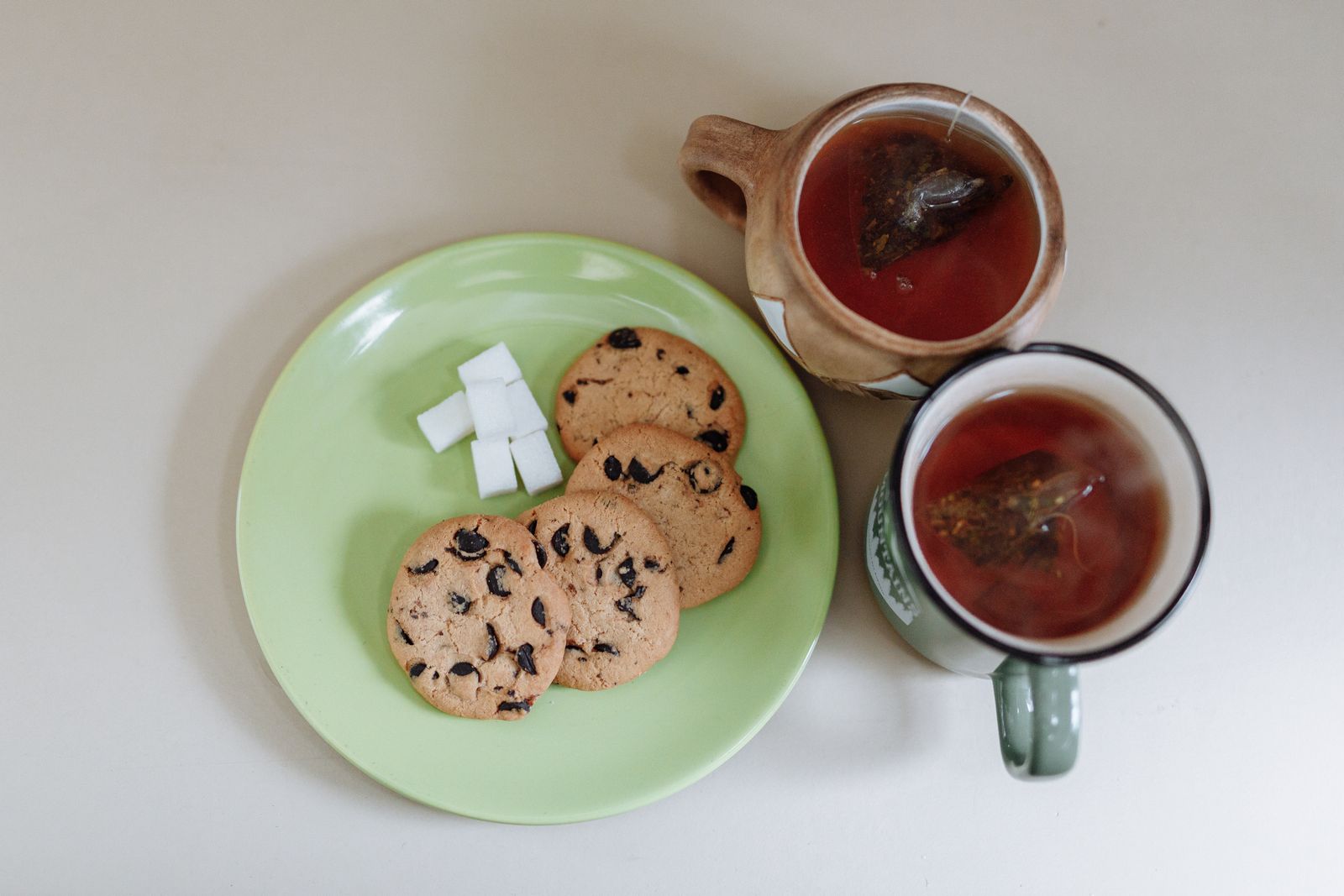
| Cookies | Chocolate chip, oat and raisin | Large portions; soften quickly once opened |
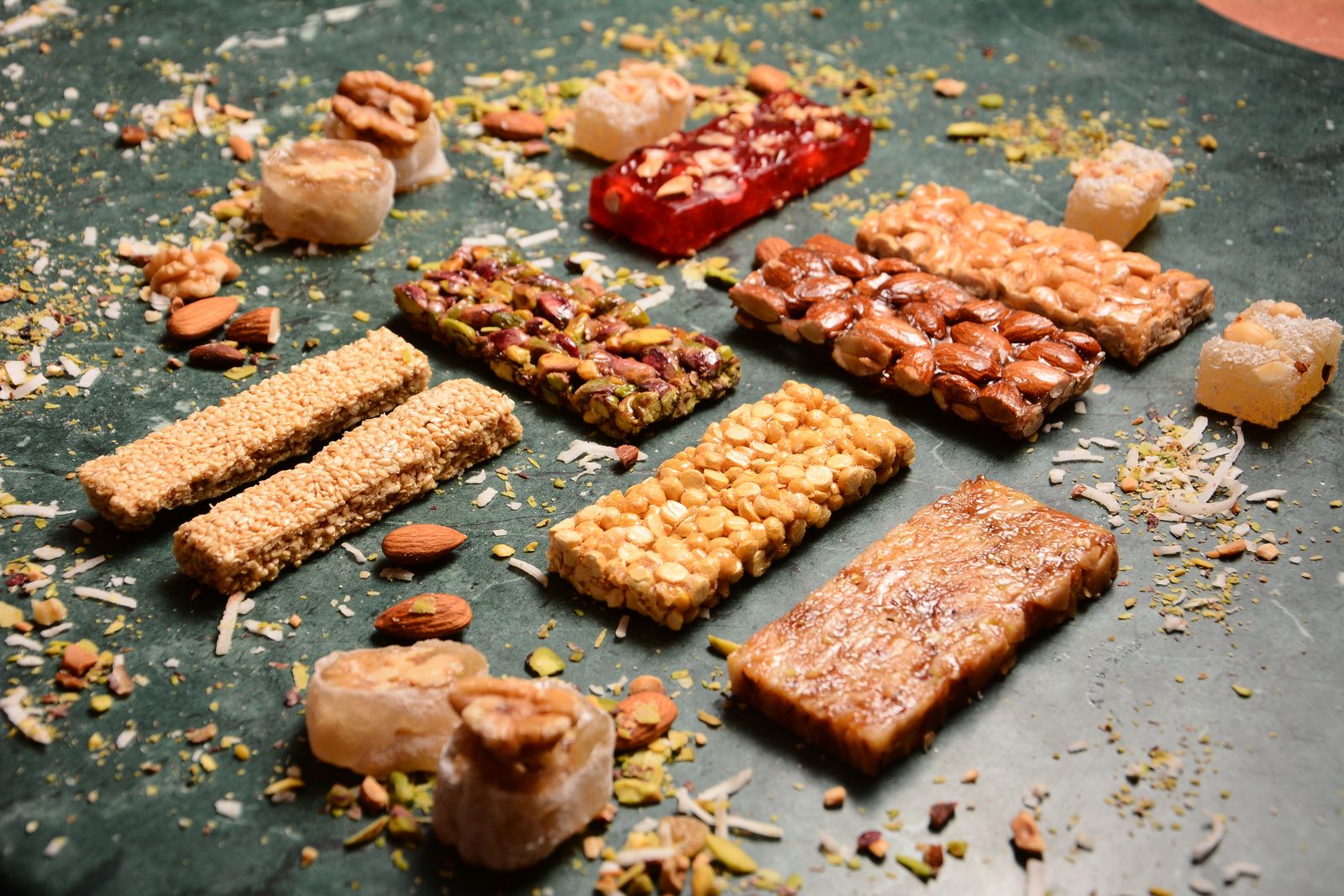
| Ma'amoul | Date, pistachio or walnut filled | Nuts, wheat, sometimes rose or orange blossom water |
| Barazek and ka'ak | Sesame and pistachio biscuits, sesame rings | Sesame and nut allergens |
| Shortbread and butter biscuits | Butter cookies, tins | Butter and milk; high fat; good for guests |
Most offices need four or five of these, not all eight. A good default is one plain tea biscuit, one oat or wholemeal biscuit, one cookie or cream biscuit for the treat slot, ma'amoul for hospitality, and one lighter option from the low-sugar treats range.
A realistic buying spec
Sweet biscuits are, by their nature, high in sugar or fat. Most of them would show red for one or both on the UK traffic-light scheme, which rates more than 22.5 g of sugar or 17.5 g of fat per 100 g as high. Pretending otherwise with "healthy" labels does not help. The spec that works controls the portion instead.
- Individually wrapped portion packs of two or three biscuits for the staff tea tray, at roughly 100 to 150 kcal per pack.
- A lighter option on every tray, such as oat biscuits, rice cakes or fruit, so there is always a choice. The low-sugar and diabetic-friendly pantry guide covers what to add.
- No "partially hydrogenated" fats on the ingredient list. UAE and GCC standards already cap industrially produced trans fats, but the phrase is still worth checking on imported products.
- Clear allergen and halal status on the pack, in English and Arabic.
- Best-before of at least three months on delivery for packaged biscuits, so stock rotates before it expires.
For ma'amoul and freshly baked cookies, the spec is different: buy them for the day or the week, from a supplier who can state ingredients and allergens for each piece.
Halal: where it hides in a biscuit
Most plain biscuits are straightforward. The questions come from a few ingredients that can be of animal origin.
- Emulsifiers. Mono- and diglycerides of fatty acids (E471) and some related emulsifiers can be made from plant or animal fat. The label rarely says which.
- Shortening and fats. Some imported biscuits use animal shortening or lard. It should be declared, but check any product you do not know.
- Gelatine. Marshmallow-topped biscuits and teacakes usually contain gelatine, which may be pork or non-halal beef.
- Flavourings. Rum, brandy or liqueur flavours, and vanilla extract, may use alcohol.
- Colourings. Carmine (E120), a red colour made from insects, appears in some pink wafers and fillings.
A halal certificate from a recognised body covers all of this; an ingredient list does not always. The halal compliance guide explains which certificates to accept, and the same trap is covered for sweets in the chocolate and confectionery guide.
Allergens on the biscuit plate
Biscuits carry more allergens than most pantry lines, and the ones people forget are in the traditional sweets.
- Wheat and gluten in almost all biscuits. Keep a gluten-free option separate and above the others; the gluten-free pantry guide explains why.
- Milk and butter in shortbread, cream fillings and most chocolate coatings.
- Egg in many cookies and some ma'amoul doughs.
- Soy as lecithin in chocolate and fillings.
- Tree nuts in ma'amoul (pistachio, walnut, almond), barazek and many premium tins. "May contain nuts" is on most biscuit packs because factories handle nuts.
- Sesame in barazek, ka'ak and some savoury biscuits.
On a shared plate, the labels come off. So label the plate itself, keep nut-filled ma'amoul on a separate plate from date ma'amoul, and keep the individually wrapped packs on the staff tray where each pack carries its own allergen list. The allergen labelling guide covers the wider rules.
Keeping biscuits crisp in UAE humidity
Biscuits go soft because they absorb moisture from the air, and coastal UAE air is humid for much of the year. An open packet in a pantry near the kettle can be soft within a day.
- Buy portion packs for the staff tray. Each pack is sealed until someone opens it, which solves the problem.
- Decant bulk biscuits into airtight containers with a close-fitting lid, not open bowls or baskets. Fill them for one or two days, not the week.
- Do not refrigerate biscuits. They pick up moisture and fridge smells.
- Keep them away from the kettle, the coffee machine and the dishwasher, which all put steam into the air.
- Chocolate-coated biscuits melt from May to October. Keep them in the coolest cupboard, below about 25 °C, and order smaller quantities in summer. Cocoa butter starts to soften in the low 30s °C, which a delivery van or a sunny store room easily reaches.
- Close the store room to ants and weevils. Sealed packs and sealed containers keep pests out; crumbs on the counter bring them in.
A biscuit that has gone soft is still safe to eat, but it will not be eaten, which makes humidity one of the main causes of biscuit waste. The food waste guide covers the other causes.
The tea tray and the meeting plate
Most offices need two different biscuit setups, and it helps to buy for them separately.
The staff tea tray is self-service, used all day and refilled daily. Individually wrapped packs, a plain biscuit, an oat biscuit and one treat, plus a lighter option. It sits beside the tea and coffee, and it goes with the premium tea range and the karak chai station.
The meeting and guest plate is set out for visitors and board meetings. Here presentation matters: unwrapped biscuits on a plate, ma'amoul or dates with Arabic coffee, a small selection rather than a pile. The Arabic coffee and dates guide covers the hospitality ritual, and dates themselves come from the dried fruits range. For early meetings, pastries and a fuller spread come from the breakfast and corporate events range.
A plate that goes back to the pantry half-eaten should not be put back in the container. Offer it to staff the same day or throw it away.
How much to order
Consumption depends on whether biscuits are free, where they are placed and how many visitors the office has. As a starting point:
| Office | Staff tray per week | Meeting plate |
|---|---|---|
| 20 people | 40 to 60 portion packs | 2 to 3 biscuits per guest |
| 50 people | 100 to 150 portion packs | 2 to 3 biscuits per guest |
| 100 people | 200 to 300 portion packs | 2 to 3 biscuits per guest, plus ma'amoul for senior visitors |
Track consumption for four weeks and adjust. If one type is always left, drop it. A pantry system that records what goes out makes this easy; see the inventory management guide.
What it costs
Prices vary with brand and volume, but as a rough UAE guide:
- Plain tea biscuits in portion packs: roughly AED 0.50 to 1.50 per pack.
- Branded cream, chocolate and cookie packs: roughly AED 1 to 3 per pack.
- Ma'amoul and premium Arabic sweets: roughly AED 1.50 to 5 per piece, depending on the filling and the bakery.
- Butter cookie tins for guests: roughly AED 25 to 80 per tin.
For most offices the staff tray costs less than the coffee, and the guest plate costs more per head than anything else on the pantry list. That is the right way round.
Where it makes the biggest difference
- Client-facing offices. In banks and financial services, fintech, family offices and consultancies, the meeting plate is part of how clients are received. Towers in Business Bay, Downtown Dubai and Dubai World Trade Centre see many visitors a day.
- Government and public-sector offices. In government and public-sector offices, Arabic coffee with ma'amoul or dates is the expected welcome, and quantities follow visitor numbers.
- Property sales and showrooms. Real estate and property sales centres in Dubai Marina, JLT, Saadiyat Island and Al Reem Island offer biscuits with coffee to every buyer who sits down.
- Agencies and studios. Media and creative agencies in Dubai Media City and Dubai Design District run long client workshops where the biscuit plate is refilled all day.
- Schools, universities and labs. Staff rooms in schools and universities go through biscuits quickly, and pharmaceutical and life sciences sites need strict allergen labelling on anything shared.
The same applies across Abu Dhabi and the rest of the UAE: a small, well-labelled range that is refilled often is better than a large one left open.
Presentation and equipment
The meeting plate is only as good as what it sits on. Plain white plates, a small set of airtight glass jars for the tea tray, tongs for unwrapped biscuits and labelled cards for allergens are cheap and make a difference. Plates, jars and serving items can be ordered with the stationery and office furniture range, and if the pantry is being redesigned, plan a closed, cool cupboard for biscuits away from the kettle; the office fit-out services range covers the space.
The short version
- Keep the range small: a plain biscuit, an oat or wholemeal biscuit, one treat, ma'amoul for guests and a lighter option.
- Control sugar and fat with the portion, not the label: individually wrapped packs of two or three biscuits for the staff tray.
- Check halal status for emulsifiers, shortening, gelatine, flavourings and carmine; rely on a certificate, not the ingredient list.
- Label allergens on the plate, especially nuts in ma'amoul and sesame in barazek, and keep gluten-free separate.
- Keep biscuits sealed and away from steam; decant only a day or two at a time; keep chocolate biscuits cool in summer.
- Buy the staff tray and the guest plate separately, and never return a used plate to the container.
MHO supplies office biscuits, cookies, ma'amoul and the rest of the tea tray with halal and allergen information for every product, alongside the office snacks range. Talk to the team about setting up a tea tray and meeting plate for your office.
Frequently asked questions
Which biscuits are best for an office tea tray? A small range of individually wrapped portion packs works best: a plain tea biscuit, an oat or wholemeal biscuit, one treat such as a cookie or cream biscuit, and a lighter option such as rice cakes or fruit. Portion packs stay crisp and carry their own allergen labels.
Are biscuits halal? Most plain biscuits are, but some contain ingredients that may be of animal origin, such as E471 emulsifiers, animal shortening, gelatine in marshmallow biscuits, alcohol-based flavourings and carmine colouring. Choose products with halal certification from a recognised body.
How do I stop biscuits going soft in the office? Buy individually wrapped packs for the staff tray, decant bulk biscuits into airtight containers only a day or two at a time, keep them away from the kettle and coffee machine, and do not refrigerate them.
What allergens are in ma'amoul? Ma'amoul usually contains wheat and often butter or milk, and the pistachio, walnut and almond versions contain tree nuts. Some recipes contain egg. Keep nut-filled and date-filled ma'amoul on separate labelled plates.
How many biscuits should I order for a meeting? Plan two to three biscuits per guest for a standard meeting, and add ma'amoul or dates with Arabic coffee for senior visitors. For all-day workshops, refill the plate at breaks rather than putting everything out at once.
Do chocolate biscuits melt in the UAE? Yes. Cocoa butter starts to soften in the low 30s °C, which a delivery van or a warm store room reaches easily between May and October. Store chocolate-coated biscuits below about 25 °C and order smaller quantities in summer.
Are there healthier biscuit options for the office? Most sweet biscuits are high in sugar or fat per 100 g, so the healthier approach is smaller portion packs plus lighter alternatives on the same tray, such as oat biscuits, rice cakes, fruit and nuts, rather than relying on "healthy" labels.