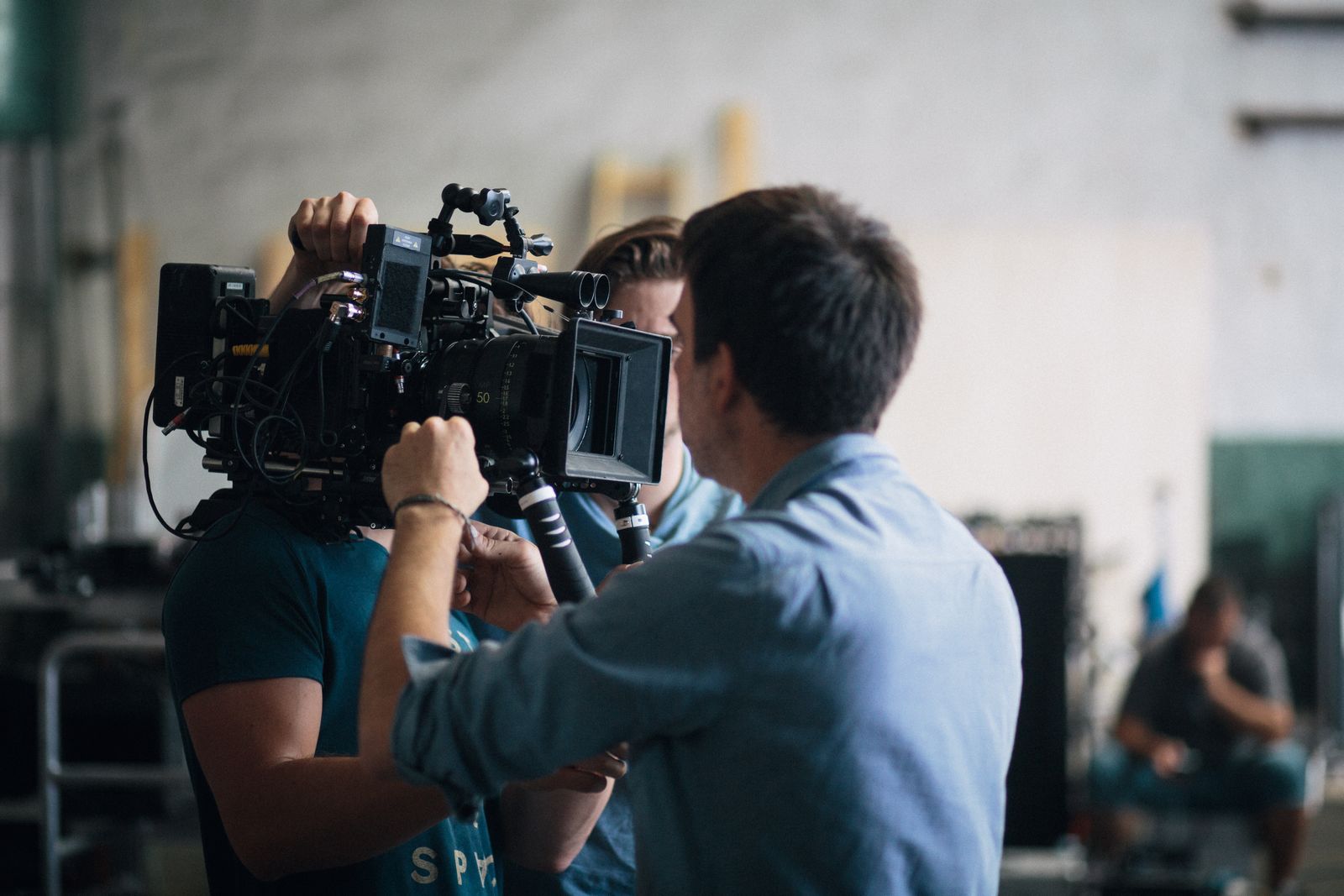
On any shoot, the craft table is the department everyone visits. The director, the gaffer, the client's brand manager, the talent's agent and the runner who has been up since 4:00 all pass it a dozen times a day, and all of them have an opinion about it. Craft services, the trade's name for the always-open table of drinks and snacks that runs alongside the proper catered meals, is a small budget line with an outsized effect on how a day feels and how late it runs.
This guide is for production coordinators, producers and office managers at production companies, agencies with in-house content teams and brands shooting their own campaigns in the UAE. It covers the call-time breakfast, hydration on location, the afternoon slump, quantities by crew size, the studio pantry between shoots and the order. For the studio-based version with a green room, read the green room and studio pantry guide; for the office that the production company goes home to, the media and creative agencies pantry guide and the media and creative agencies industry page cover it.
Craft services versus catering
The distinction matters for the order. Catering is the sit-down meal, usually lunch and sometimes dinner on a long day, served at a set time by a caterer or from a restaurant, and it is what the production budget calls "crew meals". Craft services is everything else: the table that is open from call time to wrap with coffee, water, cold drinks, fruit, snacks and something more substantial for the hours when lunch is far away. Catering feeds people; craft keeps them going between feeds.
Craft is where a pantry supplier fits. It is dry goods, fruit, drinks and hygiene consumables delivered in bulk the day before, set up by a runner, and restocked from a stash in the production van or the studio store. It does not need a chef. It does need somebody to own it, and that is usually the production coordinator or the second assistant director delegating to a runner with a checklist.
The call-time breakfast
Call time on a commercial in the UAE is often 6:00 or earlier, to get the light or to beat the heat, and the crew arrives having eaten nothing. The first hour sets the mood.
- Coffee in volume, fast. A bean-to-cup machine serves one person every 45 seconds; a 40-person crew arriving in ten minutes needs airpots or flasks of batch brew, plus a tea urn. The town hall and large meeting coffee guide covers the equipment and the coffee range covers the beans. On a studio day, the studio's machine does the fine coffee for the director and the client; the airpots do the volume.
- Food that survives a tailgate. Fruit, granola and yogurt pots, labneh and za'atar wraps, boiled eggs, cheese portions, bread and spreads. The eggs, cheese and labneh guide and the Levantine breakfast guide cover the local staples; the breakfast and corporate events range is the list.
- Water, already cold. Chilled cases, not warm cases and a hope. The juices and waters range covers still and sparkling in bulk.
Hydration on location
A location shoot in the UAE between April and October is a heat problem before it is a catering one. A crew carrying equipment in the sun, talent under lights, and a client in a tent all dehydrate faster than they notice. Craft services on location is the hydration plan.
- Cold water within reach of every department. Not one table by the tent; cool boxes at camera, at lighting, at wardrobe and at the client area, restocked by the runner every hour. Budget three to four 500 ml bottles per person per day in summer, two in winter.
- Electrolytes for the people working outside. Coconut water, electrolyte sachets and isotonic drinks for the grips, sparks and art department, who lose salt as well as water. The coconut water and electrolyte drinks guide explains what actually rehydrates; the factory shop floor hydration guide is written for industrial heat but the rules are the same.
- Cold fruit. Watermelon, oranges and grapes from a cool box do more for morale at 14:00 in July than anything else on the table. The fruit and cut veggies range and the seasonal fruit calendar cover what is good when.
- Shade and bins. Not pantry items, but the craft table in the sun is a hygiene problem by 10:00. Put it under the awning, keep the food covered, and have bins beside it. The facility hygiene range covers sanitiser, wipes and liners, which a dusty location goes through quickly.
The afternoon slump and the overrun
Lunch on a shoot is at a fixed time, usually six hours after call, and the afternoon after it is long. Then the shoot overruns, because shoots overrun, and a crew that expected to wrap at 18:00 is still there at 21:00.
- Mid-afternoon: coffee, cold drinks, fruit, nuts, dried fruit, bars and something salty. The nuts and seeds, dried fruits and office snacks ranges cover a table that will be grazed all afternoon; the snack bars guide explains which bars hold up and which melt.
- The overrun shelf. A reserve of instant soups, noodles, ready meals and sandwiches that is only opened if the day runs past the planned wrap. The desk-lunch and ready meal guide lists what keeps without a fridge. If the day is going to run three hours over, a second catered meal is the right call and the production should budget for it; craft is the bridge, not the substitute.
- Energy drinks. Crews ask for them; stock a sensible number alongside water and coffee and do not make them the default. The energy drinks buyer's guide covers the trade-offs.
The same pattern turns up in the edit suite after the shoot; the render night and launch crunch guide covers the post-production side.
Quantities by crew size
A rough planning table for a single shoot day, craft only, catering separate:
- A 12-person content shoot (brand team, small crew, one talent): one airpot of coffee refilled twice, 36 bottles of water, two fruit boxes, one snack tray, one small overrun shelf.
- A 30-person commercial crew with agency and client on set: three airpots, 100 bottles of water in summer, electrolytes for eight to ten outdoor crew, four fruit boxes, two or three snack trays, breakfast for 30, an overrun shelf for 15.
- A 60-person TV or film unit: a dedicated craft runner, six to eight airpots and a tea urn, 220 bottles of water, electrolytes for 20, fruit and snacks restocked at every break, breakfast for 60 and a serious overrun plan agreed with catering.
Talent and client areas get the better version of the same table: premium water, whole fruit, a proper espresso if there is a machine, and anything specified on the talent rider, which the green room guide covers in more detail. Halal throughout, vegetarian options at every meal and labelled allergens on the table; the allergen and dietary labelling guide explains the labelling that a mixed crew needs.
The studio pantry between shoots
A production company's own studio or office has a quieter rhythm between jobs, then a surge on shoot days and edit deadlines. Run the base pantry on a recurring order sized for the office headcount, using the cost per employee benchmarks, and add shoot-day orders on top as one-off deliveries the day before each job. The creative agency deadline guide covers the office under pressure, and the pitch day guide covers the presentation that wins the job in the first place. Disposables for the craft table should meet the UAE single-use plastic rules; the cups, cutlery and disposables guide lists what is compliant.
Where we deliver
My Healthy Office delivers to production companies, studios and agencies across Dubai, including Dubai Media City, the studios and warehouses of Al Quoz, Dubai Design District and the Marina and JLT towers covered in the Dubai Marina, JLT and Media City guide, and across Abu Dhabi, including the media zone on Yas Island. Shoot-day orders are delivered to the studio or production office the day before so the craft table is set up before call time; for a location, the production collects from the office or we deliver to a site office with a named contact.
The short version
- Craft services is the open table between catered meals; it is dry goods, fruit, drinks and consumables, and it needs an owner.
- Call-time breakfast: batch-brew coffee in volume, one-hand food, water already cold.
- On location in the heat, craft is the hydration plan: cold water at every department, electrolytes for outdoor crew, cold fruit, shade and bins.
- Mid-afternoon table plus a sealed overrun shelf; a second meal if the day runs three hours over.
- Size by crew: 12, 30 and 60-person plans scale water, airpots and snack trays; talent and client get the premium version.
Frequently Asked Questions
What is the difference between craft services and catering on a shoot? Catering is the sit-down crew meal at a fixed time; craft services is the always-open table of coffee, water, cold drinks, fruit and snacks that runs from call time to wrap. Craft is dry goods and drinks from a pantry supplier, set up and restocked by a runner.
How much water does a film crew need on a UAE location shoot? Plan three to four 500 ml bottles per person per day in summer and two in winter, kept cold in cool boxes at each department rather than on one table, plus electrolyte drinks or coconut water for crew working outside.
What should be on the craft table at a 6 am call time? Batch-brew coffee in airpots and a tea urn, chilled water, and one-hand breakfast food such as fruit, granola and yogurt pots, labneh wraps, boiled eggs and cheese portions, with a better espresso and premium water in the client and talent area.
How do we handle a shoot that overruns by several hours? Keep a sealed overrun shelf of instant soups, noodles, ready meals and sandwiches that is opened only after the planned wrap, and if the day is running three hours or more over, order a second catered meal rather than relying on snacks.
What quantities should we plan for a 30-person commercial crew? Three airpots of coffee, about 100 bottles of water in summer, electrolytes for eight to ten outdoor crew, four fruit boxes, two or three snack trays, breakfast for 30 and an overrun shelf for 15, with catering booked separately.
Does My Healthy Office deliver craft supplies before a shoot day? Yes. Orders are delivered to the studio or production office the day before call time, with delivery to Dubai Media City, Al Quoz, Dubai Design District, the Marina and JLT towers and the Yas Island media zone in Abu Dhabi.