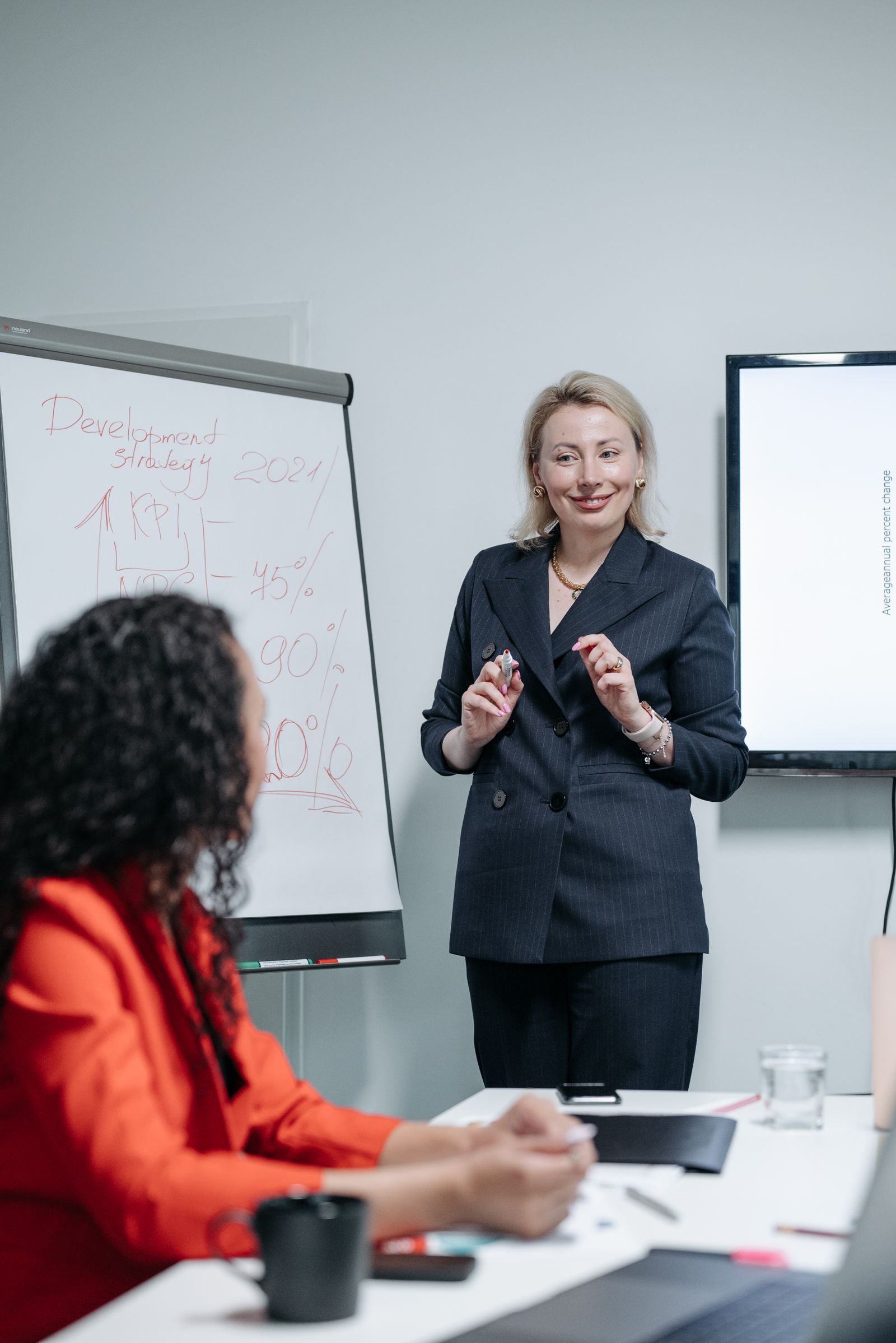
A cycle meeting is the pharmaceutical industry's version of a sales kick-off: the medical representatives, key account managers and product specialists who spend their year in hospital corridors and clinic waiting rooms come back to base for two or three days of product training, cycle objectives, role play and, usually, a long evening. For the office that hosts it, the pantry goes from serving twenty desk staff to serving sixty people in a training room from 08:00 to 18:00, and the quality of the food and drink shapes how much of day two anyone remembers.
This guide is for sales operations managers, training and medical education leads, office managers and brand teams at pharmaceutical companies, medical device and diagnostics distributors and regional head offices in Dubai Healthcare City, Dubai Science Park, JAFZA and the Abu Dhabi clusters. The everyday pantry for these sites is in the pharmaceutical and life sciences pantry guide and the pharmaceutical and life sciences industry page; this guide covers the three days a year the field force is in the building.
Why a cycle meeting is a different brief
Four things make it harder than an ordinary training day:
- The population is the field force. People who normally eat in the car and drink coffee from hospital vending machines. They arrive hungry, they expect the company to feed them properly for once, and they notice when it does not.
- The sessions are long and dense. Clinical data, competitor positioning, objection handling, role play. A heavy lunch at 13:00 loses the 14:30 session to the whole room.
- Compliance is in the room. The hospitality rules that govern what a company may offer a healthcare professional do not apply to its own employees, but the medical affairs and compliance teams attend cycle meetings, and a meeting that looks lavish in the photos is a conversation nobody wants. Modest, good and well organised is the standard.
- The building has a sample room and often a cold chain. Sixty people, three days of deliveries and a catering table two doors from the product fridge is exactly the situation the pantry fridge and cold chain guide warns about.
The day, hour by hour
A cycle meeting day runs on a timetable the training lead has fought for, and the hospitality has to match it to the minute.
07:30 to 08:15, arrival and breakfast. The session starts at 08:30 whether or not breakfast is cleared, so breakfast is on the table at 07:30 and designed to be eaten standing in fifteen minutes: fruit, yoghurt, granola, labneh and zaatar manakish, eggs if there is a hot option, bread, and a coffee station that can serve sixty cups in twenty minutes. The corporate breakfast meeting guide covers the quantities, and the batch brew coffee guide covers the only coffee set-up that serves a room that size without a queue.
10:15, the first break. Fifteen minutes. Coffee, tea, water, fruit and something small: a date, a nut pack from the nuts and seeds range, a low-sugar bar from the low-sugar treats range. No pastries at this break, because the 11:00 session is usually the clinical one.
12:45 to 13:30, lunch. Light, mostly cold, protein and vegetables rather than rice and bread: grilled chicken or fish, salads from the salads and crudités guide, hummus, a plant-based option for the growing number of people who ask for one (the meat alternatives guide covers it), fruit for dessert. The lunch and learn catering guide sets out why a lighter lunch keeps the afternoon session alive.
15:30, the afternoon break. The slump break. Cold drinks from the juices and waters range, cut fruit, a second coffee round, and this is where a small sweet thing earns its place.
17:30 to 18:00, close. Water and a cold drink on the way out. The evening, if the company holds a team dinner, is a separate order and a separate budget line.
Hydration for a nine-hour room
A training room with sixty people and the air conditioning working hard dries everyone out, and the role-play sessions are talking sessions. Water consumption on a cycle meeting day runs at roughly double an office day, and the dispenser in the corridor is not enough.
- A bottle of water at every seat at 07:30 and a fresh one at lunch.
- A dispenser or a case of bottles at the back of the room, refilled at each break by the person who owns the day, not when someone notices.
- Sparkling water and a sugar-free cold drink at the afternoon break; the cold drinks guide covers the mix.
- Electrolyte drinks on the table for the people who did a hospital round before arriving, from the coconut water and electrolyte drinks guide.
The consumption benchmarks guide gives the per-person figures to scale the order from.
The compliance line
Internal hospitality for employees is the company's own business, within its own policy. The line that matters is drawn when a healthcare professional is in the room: a speaker, a key opinion leader presenting clinical data, a hospital pharmacist invited for a session. From that moment the hospitality offered to that guest falls under the industry codes and the company's own standard operating procedures, which set what may be provided, at what value and with what record.
Practically:
- Keep the cycle meeting hospitality modest enough that the same tray can be offered to a visiting healthcare professional without a second thought.
- Record the hospitality order and its cost against the meeting, with the invoice from a single supplier, so the compliance file has one line and one document. The pharmaceutical and life sciences guide covers supplier traceability for audits.
- Do not improvise an upgrade on the day because a senior guest has arrived. The standard is the standard.
The audit and inspection day guide covers the same discipline when the guest is a regulator rather than a clinician.
Keeping it away from the sample room
A cycle meeting brings product to the training room: demo units, sample packs, printed materials, sometimes a cold box. The catering table and the product table are never the same table, and the catering never goes near the sample room or the product fridge.
- The catering is set up in the training room or a breakout area, not the pantry, so the pantry fridge is not filled with catering and the product fridge is never used for drinks.
- Deliveries for the meeting come to reception or the loading bay and go straight to the catering area, following the two-route rule in the pantry fridge and cold chain guide.
- Demo units and samples go back to the sample room at the end of each day, not left on a table next to the fruit.
- Lab-based companies with a cycle meeting on site follow the lab break room food and drink rules: the training room is a designated eating area, and nothing else is.
In the office or in a hotel
Many companies hold cycle meetings in a hotel because the office training room seats twenty. The office version is cheaper, keeps the product and the people in one secure place, and works well up to about forty people with a breakout area. The hotel version buys a bigger room and a kitchen, at several times the hospitality cost per head.
A middle path is common: day one in the office for product training with the samples and the medical team at hand, catered from the office account; days two and three in a hotel for the planning sessions. The training centres and education providers guide covers running a training room from a standing pantry account, and the interview day and assessment centre guide covers the same timetable discipline for a smaller group.
The grab-and-go kit the team leaves with
The field force goes back on the road on day four. A company that has fed them well for three days can send them off with the thing they will use most: a stocked grab-and-go corner in the office for the days they come in, and a car kit for the days they do not. Water, nut packs, snack bars and a cold drink, picked up on the way out. The field sales team grab-and-go guide covers setting it up and keeping it stocked between cycle meetings.
Where this applies
The regional head offices and distributors that host cycle meetings sit in Dubai Healthcare City, Dubai Science Park and the pharmaceutical warehouses of JAFZA, with the Abu Dhabi teams meeting in the city and on Al Reem Island. The Dubai Science Park and Healthcare City pantry guide covers delivery into those buildings, and the medical show weeks around the big healthcare exhibitions are when cycle meetings and visitor surges collide.
The short version
- Breakfast on the table at 07:30, eaten standing, coffee that serves sixty cups in twenty minutes.
- Light breaks at 10:15 and 15:30, a light protein-and-vegetable lunch at 12:45, water at every seat and refilled at every break.
- Keep it modest enough to offer a visiting healthcare professional, and record it as one order on one invoice.
- Catering in the training room, never the pantry; product never near the catering; deliveries on their own route.
- Office for product days, hotel for planning days if the room is too small.
- Send the field force off with a grab-and-go kit.
Frequently Asked Questions
What should a pharma company serve at a cycle meeting? A standing breakfast at 07:30 of fruit, yoghurt, labneh, manakish and eggs with a batch-brew coffee station, light breaks with fruit, nuts and low-sugar bars, a cold protein-and-vegetable lunch with a plant-based option, and water at every seat refilled at every break.
Do healthcare professional hospitality rules apply to a cycle meeting? Not to the company's own employees, but the moment a healthcare professional joins the room as a speaker or guest, the hospitality offered to them falls under the industry codes and the company's own procedures. Keeping the whole meeting modest avoids running two standards in one room.
How much water does a training room of sixty people need? Roughly double an office day: a bottle at every seat in the morning and another at lunch, plus a dispenser or case at the back of the room refilled at every break, with sparkling and electrolyte options in the afternoon.
Where should cycle meeting catering be set up in a pharma office? In the training room or a breakout area, never the pantry, and never near the sample room or the product fridge. Deliveries come to reception or the loading bay and go straight to the catering area on their own route.
Is it better to hold a cycle meeting in the office or a hotel? The office works well up to about forty people and keeps product, samples and the medical team in one secure place at a fraction of the cost per head. Many companies run product training in the office and move to a hotel for the planning days when the group is larger.