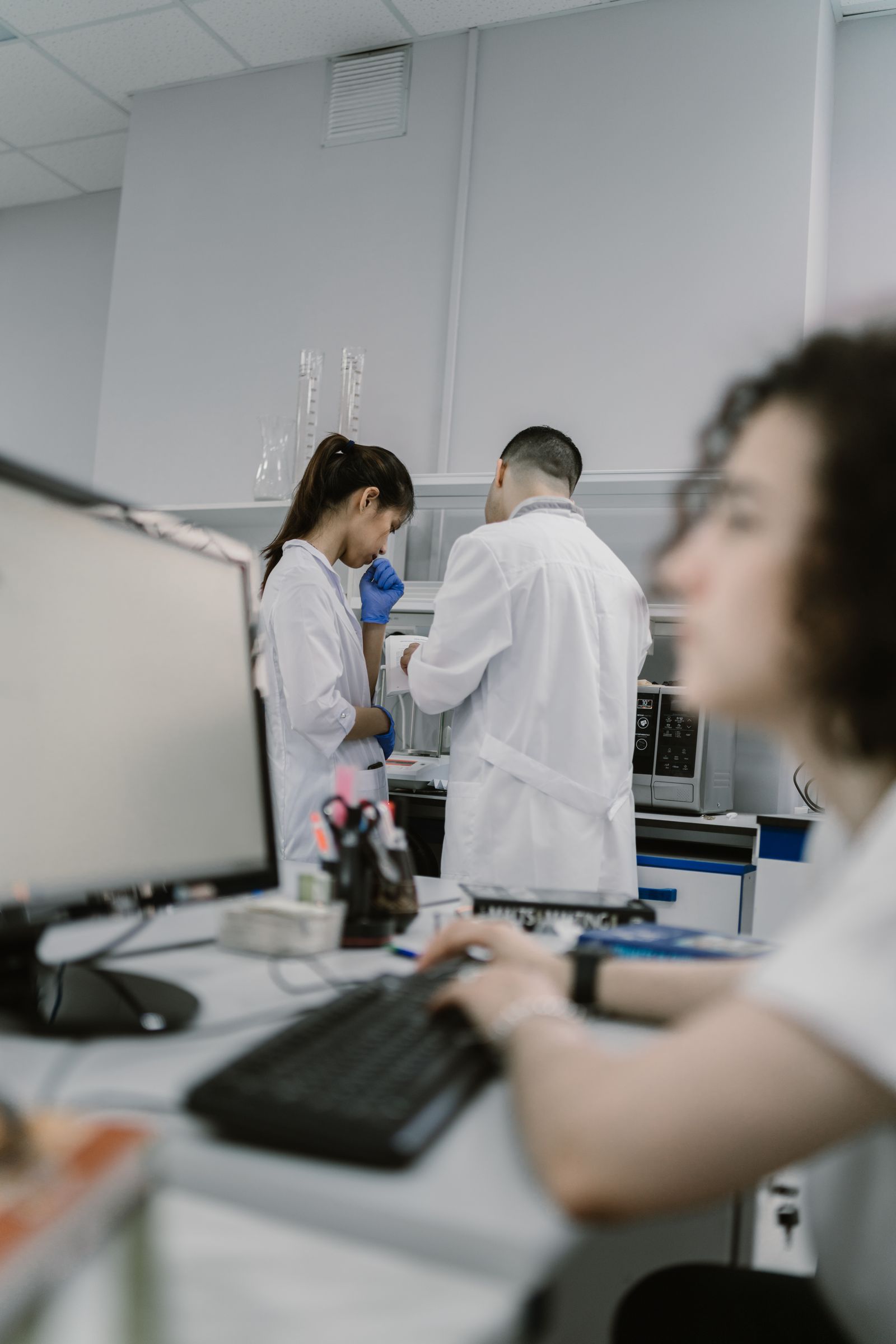
Life sciences companies in the UAE (pharmaceutical distributors, biotech start-ups, diagnostics labs, research groups and clinical trial teams) often run labs and offices side by side. In Dubai Science Park, Dubai Healthcare City or Masdar City, it is common to have a quality control lab, a sample store and an open-plan office on the same floor.
That creates a simple rule and a practical problem. The rule: food and drink stay out of the lab. The problem: scientists still need water, coffee and food close enough that they actually take a break. This guide covers both.
Why food stays out of the lab
Almost every lab safety programme, and the quality systems that pharmaceutical companies work under, prohibit eating, drinking and storing food in lab areas. The reasons are straightforward:
- Contamination of people. Chemicals, biological samples and reagents can transfer to hands, cups and food.
- Contamination of samples. Crumbs, drinks and residues can affect results and fail an investigation.
- Audit findings. A coffee cup on a lab bench is one of the easiest findings for an auditor or inspector to write up.
Your company's own lab safety rules and quality procedures take precedence over this article. Use it to make the break room side work.
Separate the spaces clearly
- A physical break room outside the lab, ideally past the point where lab coats come off. Not a shelf by the lab door.
- No lab fridges for food. Food and drink go only in the break room fridge, labelled as such. Sample and reagent fridges carry a clear "no food" label.
- Handwashing on the way. Put a sink or sanitiser station between the lab exit and the break room. The office hygiene range and facility hygiene products cover dispensers and refills.
- Clear signage at the lab door: no food, no drink, no cups.
The food safety rules guide covers general pantry hygiene that applies to the break room itself.
Make the break room worth walking to
If the break room is far or poorly stocked, people sneak water bottles into the lab. Remove the temptation:
- Water that is always cold and always there. A dispenser or plenty of bottled water. See juices and waters and the water filtration guide.
- Good coffee and tea. A short break works better with a proper cup. See coffee and coffee machines and herbal teas.
- Snacks that are quick to eat during a short gap in an experiment: nuts and seeds, fruit, yogurt and bars. The chilled snacks guide has ideas.
- Somewhere to sit. Even four chairs make a break room a real break.
Shift and long-run patterns
Lab work does not always follow office hours. Long runs, stability studies and on-call checks mean people are in early, late or at weekends:
- Keep a stock of long-life items for out-of-hours staff: soups, oats, tea and coffee.
- Make sure the break room stays accessible when the main office is closed.
- The shift work guide covers pantries for teams working around the clock.
Deliveries and controlled areas
- Deliver to the break room or a reception point, never through lab corridors.
- Name a receiver who is not in lab gear, so chilled items go straight into the right fridge.
- Keep packaging out of the lab. Unpack in the break room and recycle there.
Industry notes
- Our pharmaceutical and life sciences page and the pharmaceutical and life sciences pantry guide cover the wider office pantry.
- Clinics and hospital-based research teams face similar rules; see the healthcare clinics and hospitals guide.
- Teams in Dubai Science Park, Dubai Healthcare City and Masdar City can schedule deliveries around lab hours; see the science and healthcare hubs guide.
The short version
- No food, drink or cups in lab areas, and no food in lab fridges.
- Put a real break room outside the lab, with handwashing on the way.
- Stock it well enough that nobody is tempted to take a bottle into the lab.
- Plan for early, late and weekend lab work.
- Deliver to the break room or reception, never through lab corridors.
Frequently Asked Questions
Can scientists drink water in the lab? In most labs, no. Lab safety programmes and pharmaceutical quality systems generally prohibit eating and drinking in lab areas. Follow your company's own lab safety rules, and provide water in a break room close by.
Can we keep food in a lab fridge if it is in a sealed box? No. Food and drink should only be stored in a break room fridge. Lab fridges for samples and reagents should carry a clear "no food" label.
What should a life sciences break room stock? Cold water, good coffee and tea, quick snacks such as nuts, fruit, yogurt and bars, and long-life items for staff working early, late or at weekends.
How do we stop people taking drinks into the lab? Make the break room close, comfortable and well stocked, put clear signs at the lab door, and place a handwashing or sanitiser point between the two.
Can My Healthy Office deliver around lab hours? Yes. We agree a delivery window and a drop-off point, such as reception or the break room, that keeps deliveries away from lab areas.