A single cockroach in the office pantry can undo months of good work. People stop using the kitchen, stop trusting the snacks and start talking about it in the group chat. In the UAE the risk is real all year: warm buildings, air conditioning condensation, shared service shafts and a steady flow of deliveries give pests plenty of ways in.
The good news is that most pantry pest problems are storage problems. Food left open, cardboard boxes kept in cupboards, fruit left out for days and bins emptied once a week are what attract pests. Fix the storage and you remove most of the reasons pests come.
This guide explains the common pests, how to store dry goods properly, what to check on deliveries, and how to work with a licensed pest control company. It is practical guidance for office pantries, not a substitute for a professional pest survey.
The pests you are most likely to see
Office pantries in Dubai, Abu Dhabi and the northern emirates tend to deal with the same small group of pests:
- German cockroaches. The most common indoor cockroach. They like warmth, moisture and dark gaps, so they live behind fridges, under dishwashers, inside coffee machine bases and in the motor area of water dispensers. They also hide in the folds of corrugated cardboard.
- Ants. Small ants follow sugar and crumbs. A sticky ring under a syrup bottle or honey jar is often enough to start a trail.
- Stored-product insects. Pantry moths (often called Indian meal moths), flour and rice weevils and small beetles such as the cigarette beetle live in dry goods: oats, rice, flour, cereals, spices, dried fruit, dates, nuts and even tea. They often arrive inside a product rather than walking in.
- Fruit flies. Ripe fruit, sticky juice spills, drains and food waste bins are their breeding grounds. A fruit bowl left out over a weekend can produce a visible swarm by Monday.
- Rodents. Less common on upper office floors, but possible near loading bays, ground-floor kitchens and buildings with open service shafts. Droppings and gnawed packaging are the usual signs.
Each of these needs three things: food, water and a place to hide. A well-run pantry removes all three.
Dry storage: the rules that matter most
Most stored-product pests and many cockroach problems start in the dry store. These rules cover the majority of the risk.
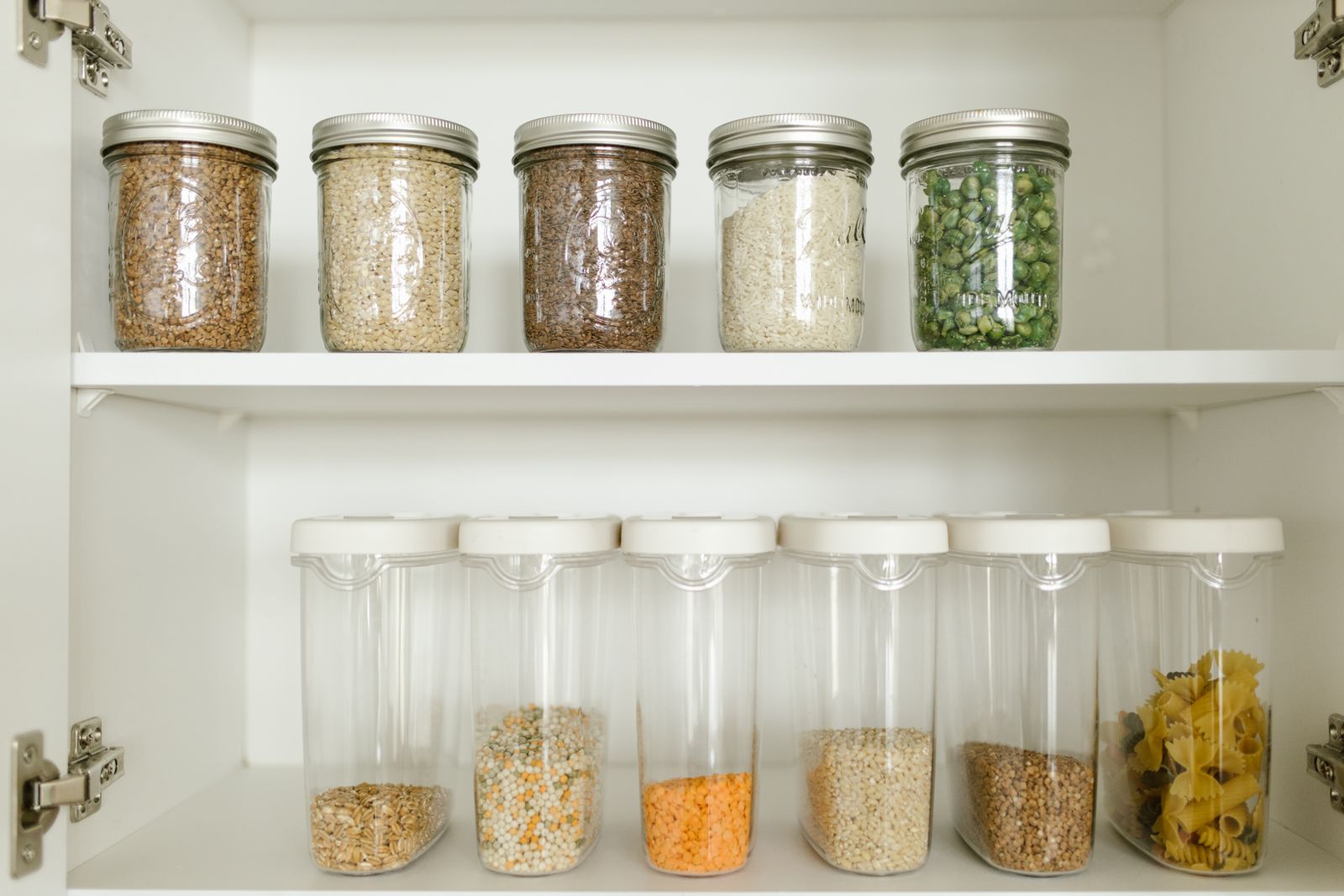
Decant into sealed containers. Once a pack is opened, move it into a clean, airtight container with a tight lid. Clear containers are best because you can see the level and spot any insects early. This applies to cereals, oats, sugar, rice, pasta, crackers, biscuits, loose tea and opened snacks. Our office snacks range and low-sugar treats are mostly individually wrapped, which already reduces the risk.
Remove cardboard outer boxes. Corrugated cardboard is a favourite hiding and egg-laying place for cockroaches, and it can bring them in from the warehouse or delivery vehicle. Unpack deliveries, put products straight onto shelves or into containers, and take the empty boxes out of the pantry the same day.
Keep stock off the floor and away from walls. A common food-safety rule is to keep food at least 15 cm off the floor on shelves or racks, with a small gap from the wall. That makes it possible to clean underneath and see droppings or insects.
Label opened containers. Write the product name, the date it was opened and the use-by or best-before date. Use the oldest stock first. The office pantry inventory management guide explains how to set par levels so you do not overstock in the first place.
Keep the dry store cool and dry. Do not store dry goods next to the coffee machine, the fridge exhaust, the boiling water tap or the dishwasher. Heat and humidity speed up insect growth and spoil products. In the UAE, aim to keep dry goods in an air-conditioned space, roughly below 25 °C. Chocolate, coffee and dried fruit all suffer in heat. The coffee bean freshness and storage guide covers coffee in detail.
Store high-risk items carefully. Some products attract stored-product insects more than others:
| Product | Risk | How to store |
|---|---|---|
| Oats, cereals, granola | Pantry moths, weevils | Airtight container, small packs, rotate fast |
| Rice, flour, pasta | Weevils, beetles | Airtight container, buy only what you use in a month |
| Dates and dried fruit | Moths, beetles | Sealed, chilled after opening in warm weather |
| Nuts and seeds | Moths, rancidity | Sealed, cool, small batches |
| Spices and loose tea | Beetles | Small jars with tight lids |
| Sugar and sweeteners | Ants | Sealed jars, wipe spills straight away |
Our dried fruits and nuts and seeds ranges come in sealed packs sized for office use. For more on dates and dried fruit specifically, see the office dried fruits and dates guide.
Fresh food, fruit and the fridge
Fresh items attract fruit flies and cockroaches quickly in a warm room.
- Do not leave fruit out over the weekend. Put ripe fruit in the fridge on Thursday afternoon, or order smaller amounts so the bowl is empty by the end of the week. Our fruit and cut veggies range can be delivered in quantities that match your headcount.
- Keep the fruit bowl clean. Wash it weekly. Remove soft or damaged fruit daily.
- Clean the fridge weekly. Remove anything past its date, wipe spills and check the seals. A full fridge clean-out every Thursday is a simple rule many offices use. Our dairy and plant-based milk range is supplied with clear dates to make this easier.
- Cover food at events. At breakfasts and corporate events, keep food covered until it is served and clear leftovers within two hours. Do not leave event leftovers in open trays in the pantry.
The food safety rules guide covers temperatures, cold chain and expiry discipline.
Cleaning, water and waste
Pests need water as much as food. Cockroaches in particular can survive a long time without food but not without moisture.
- Fix leaks quickly. Dripping taps, leaking dishwasher hoses, water dispenser drip trays and AC condensate lines all give pests water. Report them to building management the same day.
- Empty drip trays. Coffee machine and water dispenser drip trays should be emptied and wiped daily.
- Clean behind and under appliances. Once a month, pull out what can be moved safely and clean behind it. Crumbs and coffee grounds collect in these gaps.
- Empty bins daily. Use lidded pedal bins, empty food waste every evening, and wash the bins weekly. Coffee grounds and fruit peel should never stay in the pantry overnight.
- Wipe surfaces at the end of the day. Counters, the area around the coffee machine and the sugar station. Sticky rings attract ants.
- Keep drains clean. Pour hot water down sink drains weekly and keep drain covers in place.
Our cleaning supplies range covers surface cleaners, cloths and bin liners, and our office hygiene and facility hygiene ranges cover hand soap, sanitiser and washroom consumables. The office cleaning supplies guide explains how much to stock.
Desk food and pantry rules
Pests do not stay in the pantry. Desk drawers full of opened snacks, crumbs in keyboards and coffee cups left on desks overnight can spread a problem across a whole floor.
A short pantry policy helps:
- Keep opened food at desks in sealed containers.
- Take cups and plates back to the pantry at the end of the day.
- Do not leave food on meeting room tables after a meeting.
- Report any pest sighting straight away rather than ignoring it.
The office kitchen etiquette guide has simple wording you can use. Stationery cupboards matter too: paper and cardboard stored in a warm, humid corner can hide cockroaches, so keep stationery and office supplies in a dry, clean space away from the pantry.
Check every delivery
Many stored-product insects arrive inside the product. A quick check at delivery stops them before they reach your shelves.
- Check the packaging. Reject torn, crushed or damp packs, and anything with small holes, webbing or dust around the seams.
- Check the dates. Reject anything close to its best-before date unless you will use it within days.
- Check chilled items. They should arrive cold. The fridge and chilled snacks guide explains what to look for.
- Unpack quickly. Move items to shelves, the fridge or containers within the hour and take the boxes away.
- Report problems. A good supplier will replace damaged or infested stock and look into the cause.
This is one reason to use a supplier that delivers in office-sized packs on a regular schedule. Smaller, more frequent deliveries mean less stock sitting in cupboards for months.
Working with a pest control company
Even a clean pantry can get pests from neighbouring units, shared shafts or the building's waste area. Prevention needs a professional contractor as well as good housekeeping.
Use a licensed company. In the UAE, pest control companies must be licensed and approved by the relevant municipality, and the pesticides they use are regulated. Ask your contractor for their licence and their technicians' certification. Do not let anyone use unregistered products in a food area.
Check what the building already covers. Many buildings have a pest control contract for common areas, shafts and waste rooms. That contract may or may not include tenant pantries. Ask your building or facilities manager what is covered, how often, and who to call if you see pests.
Prefer baits and monitors in food areas. For cockroaches and ants, professionals often use gel baits and bait stations placed in gaps and behind appliances, plus sticky monitoring traps to measure activity. These are better suited to a pantry than general spraying.
Do not spray over food. Household aerosol sprays in a food area can contaminate surfaces and push cockroaches deeper into walls and appliances. Leave treatment to the contractor.
Plan the visit. Schedule treatment outside working hours, put open food away or cover it, and clean food contact surfaces before the pantry is used again. Ask for a written service report showing what was found, what was used and where.
Keep a simple pest log. Record sightings, the date, the location and the action taken. Over time this shows whether a problem is getting better or worse, and it is useful evidence if the building or a supplier needs to act.
What to do if you see pests
- Do not panic or spray. Take a photo and note where and when you saw it.
- Isolate affected stock. Check open packs and containers nearby. Throw away anything with insects, webbing or droppings. Do not try to sieve or freeze and reuse it.
- Clean the area. Remove crumbs and spills and wipe surfaces.
- Call the contractor or building management. Share the photo and the location.
- Find the cause. Was it a delivery, a leak, an open bin, a cardboard box or a neighbouring unit? Fix that, or the problem will return.
- Tell staff what is happening. A short, calm message stops rumours.
Throwing away infested stock is a cost, and the reducing food waste guide shows how better ordering keeps that cost low.
Design the pantry to be easy to keep clean
If you are fitting out a new office or refurbishing the kitchen, a few design choices make pest control much easier:
- Seal gaps around pipes, cables and the backs of cabinets.
- Choose cabinets with smooth, wipeable interiors and plinths that can be removed for cleaning.
- Leave space around fridges and machines for air flow and cleaning.
- Put the bin in a lidded cabinet or a dedicated area, not next to food storage.
- Make sure the dry store is in an air-conditioned space, not a hot cupboard next to the server room.
The pantry and breakroom design guide covers layout in more detail, and our office fit-outs and services team can help with pantry fit-outs.
A weekly pantry pest checklist
| When | Task |
|---|---|
| Daily | Empty food bins and coffee grounds, wipe counters, empty drip trays, remove soft fruit |
| At each delivery | Check packaging and dates, unpack, remove cardboard |
| Weekly | Clean the fridge, wash bins, check containers for insects, hot water down drains |
| Thursday | Fruit to fridge or finished, no open food left for the weekend |
| Monthly | Clean behind and under appliances, check for leaks, review the pest log |
| Per contract | Professional inspection and treatment, written service report |
Across the UAE
The same principles apply in every emirate. Older buildings and ground-floor units tend to need more attention, and offices near loading bays or food outlets should expect more pressure from neighbouring units. In our Abu Dhabi delivery area, that covers towers in ADGM and on Al Reem Island, offices on Saadiyat Island and Yas Island, newer buildings in Masdar City and the industrial units of Mussafah, where warehouses and workshops sit next door and site kitchens see heavier use.
Some sectors need extra care. Clinics, schools and offices that host clients every day have less tolerance for a pest sighting than most. You can see how pantry needs differ by sector on our industries page.
How MHO helps
We deliver pantry products in office-sized, sealed packs on a regular schedule, so you hold less stock and turn it over faster. That alone removes a lot of the risk. We also supply the containers, cleaning products and hygiene consumables that keep the pantry in good shape. Coffee machines and water dispensers from our coffee and coffee machines and juices and waters ranges come with maintenance advice, including how to keep drip trays and machine bases clean, and our herbal teas and meat alternatives ranges are supplied sealed and dated. You can browse everything on our categories page.
The short version
- Most pantry pests in UAE offices are cockroaches, ants, pantry moths, weevils and fruit flies.
- Pests need food, water and a place to hide. Remove all three.
- Decant opened dry goods into airtight containers, label them and use the oldest first.
- Remove cardboard boxes from the pantry on the day of delivery.
- Keep stock off the floor, away from walls and away from heat from machines.
- Do not leave fruit or open food out over the weekend, and empty food bins daily.
- Fix leaks and empty drip trays every day.
- Use a licensed pest control company, prefer baits and monitors in food areas, and never spray over food.
- Keep a simple pest log and act on the cause, not just the sighting.
Frequently asked questions
What are the most common pests in UAE office pantries? German cockroaches, small ants, stored-product insects such as pantry moths and weevils, and fruit flies. Rodents are less common on upper floors but possible near loading bays and ground-floor units.
How do pantry moths and weevils get into the office? Usually inside a product. Eggs or larvae can already be in oats, flour, rice, cereals, dried fruit or spices when they arrive. Checking packaging at delivery, decanting opened products into airtight containers and buying smaller amounts more often keep them from spreading.
Why should we remove cardboard boxes from the pantry? Cockroaches hide and lay eggs in the folds of corrugated cardboard, and boxes can carry them in from warehouses and vehicles. Unpacking deliveries straight away and taking the boxes out the same day removes one of the main hiding places.
Can we use insect spray in the office kitchen? It is better not to. Household sprays can contaminate food surfaces and often push cockroaches deeper into walls and appliances. Use a licensed pest control company, which will usually use gel baits, bait stations and monitoring traps in food areas.
Who is responsible for pest control in an office building? It depends on the lease. Building management often covers common areas, shafts and waste rooms, while the tenant is responsible for its own pantry and office space. Ask your building or facilities manager what the building contract includes and who to call.
What should we do with food that has insects in it? Throw it away in a sealed bag and take it out of the pantry. Check nearby open packs and containers, clean the shelf, and tell your supplier if the product was recently delivered. Do not sieve, freeze or reuse infested food.
How often should a professional treat the pantry? Follow your contractor's recommendation, which is often a regular scheduled visit plus call-outs when there is activity. Monitoring traps and a simple pest log help decide whether more frequent visits are needed.