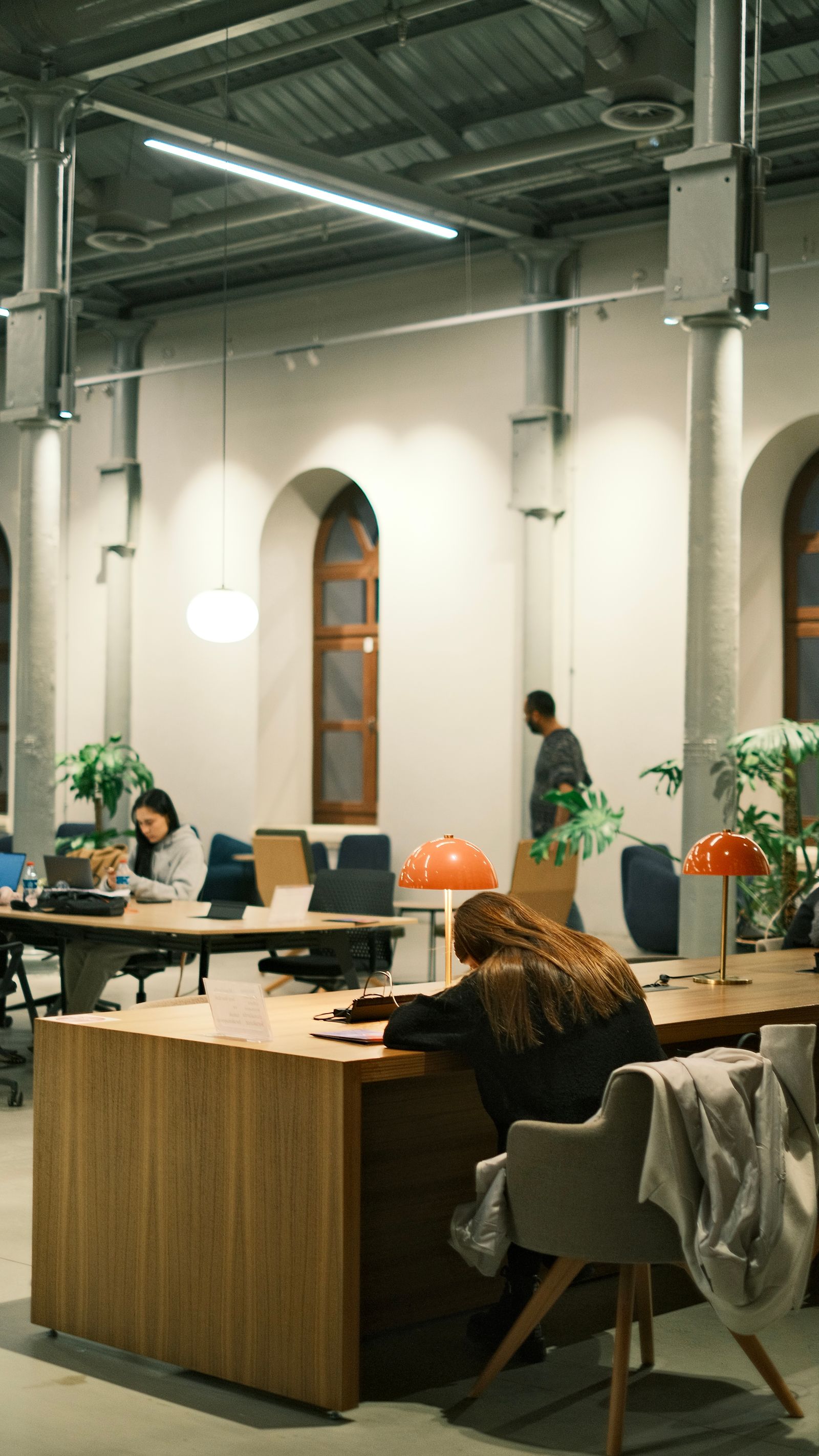
A flex space in JLT sells three products from one pantry. The day-pass visitor pays for a desk for eight hours and expects the free coffee that was in the listing. The hot-desk member pays monthly and treats the pantry as their kitchen. The private-office tenant pays for a team of twelve and assumes the pantry is included in the rent. Each is right about what they were promised, and together they can make the pantry the biggest uncontrolled cost on the floor.
This guide is for operators, general managers and community managers of coworking and flex spaces in the UAE. It covers how to set pantry access by membership tier, write fair-use rules that members accept, deal with guests and meeting-room bookings, and measure what each tier actually costs. The coworking operator's guide covers the pantry as a product; the community events guide covers the events calendar. This one covers the rules in between.
Why one pantry needs several rules
In a single-tenant office everyone has the same claim on the pantry. In a flex space, members have paid different amounts for different things, and the pantry is where that difference becomes visible:
- Day passes are priced to fill empty desks, with thin margin. A visitor who drinks five flat whites and takes a bag of nuts for the road can consume the margin on the pass.
- Hot-desk members are the core of the community and the heaviest everyday users. They are also the members who notice first when the coffee gets worse.
- Private-office tenants often have their own small kitchen and expect the shared pantry as an extra. Their teams are the largest and arrive together at 09:00.
- Meeting-room bookings bring in non-members who have paid for a room, not a membership, and expect water and coffee in it.
Without tiers, the operator either over-stocks for everyone or quietly lets the pantry decline. With tiers, the cost per desk is predictable and the members know what they bought.
A three-tier model that works
| Tier | Included | Paid or limited | Why |
|---|---|---|---|
| Day pass | Filtered water, tea, batch-brew or machine coffee, one fruit bowl | Specialty coffee drinks, snack shelf, cold drinks via honesty bar or micro-market | Keeps the pass margin while honouring "free coffee" |
| Hot desk | Everything in day pass plus specialty coffee, snack shelf, fruit, basic cold drinks | Premium drinks, chilled snacks via honesty bar | Rewards the core member; the heaviest user gets the fullest pantry |
| Private office | Everything in hot desk plus a weekly delivery of coffee, milk, water and snacks to the office kitchen, charged on the invoice at cost plus a handling fee | Events and client hospitality on request | Moves the large team's consumption out of the shared pantry and onto their own bill |
Three practical points:
- Decide what "free coffee" means and say it in the listing. Machine coffee and tea included; specialty drinks and cold drinks listed as paid or as a member perk. Members accept a clear rule; they resent a vague one.
- Use the member app or the access card. If the coffee machine or the micro-market fridge can read the card, tiers enforce themselves. If not, colour-coded lanyards and a community team that knows the rule do the job.
- Keep one item generous for everyone. Usually water and fruit. It costs little and it is the thing people remember when asked whether the space is welcoming. The infused water station guide is a cheap upgrade that reads as hospitality.
Fair-use rules members accept
Fair use is not a limit; it is a shared understanding. The rules that work in UAE spaces are short, posted at the pantry and repeated in the welcome email:
- Consume here, don't stock up. Pantry items are for use in the space. No filling a bag from the snack shelf, no taking a six-pack to the car.
- One at a time. One coffee, one snack; come back for more. This single rule stops most hoarding.
- Guests are hosted. A member's guest gets water and a coffee as the member's guest, for the length of the visit; longer visits buy a day pass.
- Label your lunch and clear it Thursday. The shared fridge rule from the kitchen etiquette guide, applied to a floor where nobody knows whose yogurt it is.
- Clean what you use. Mugs, the milk spill, the microwave. The hot-desking hygiene guide covers the supplies that make this possible.
Enforce by conversation, not signage alone. The community manager who says "we've noticed the snack shelf empties by ten, so we're moving to one-at-a-time" keeps the goodwill. A sign that appears overnight loses it.
Guests, meeting rooms and events
- Meeting rooms. Water in the room is included in the booking; coffee and tea for a booked room is a per-head add-on or a flask on request. The meeting room refreshments standard gives the per-head quantities, and a flask of batch brew per two-hour booking is the easiest default.
- Day guests of private offices. Treated as the tenant's guests, charged to the tenant if they want more than water and a coffee.
- Events. Event stock is ordered and stored separately from member stock, so a Thursday networking evening does not empty Friday's fridge; the community events guide covers this in detail.
Honesty bars and micro-markets
Most UAE spaces now run a paid layer alongside the included layer: an honesty bar with a QR code, a card-reader fridge or a small micro-market. It works when the included layer is genuinely good and the paid layer is clearly better, not when the paid layer is where the only edible food is. The vending versus managed pantry comparison covers the equipment choice, and the pricing models guide covers how to price the paid layer against the membership fee.
Measuring cost per desk per tier
Track three numbers monthly, by tier where the card data allows and by estimate where it does not:
- Pantry cost per occupied desk-day. Total pantry spend divided by desk-days used. The cost per employee benchmarks give the corporate range to compare against; a flex space with a generous included layer usually sits at the upper end.
- Included versus paid ratio. What share of consumption the paid layer recovers. If it is near zero, the included layer is too generous or the paid layer is too dull.
- Complaints and compliments. Pantry mentions in member feedback, both ways. The employee survey questions guide adapts to a member survey with little change.
When the number per desk-day drifts up, the fix is usually one of three: a tier rule that is not being applied, an event eating member stock, or a private-office team using the shared pantry instead of its own kitchen.
Where this matters in the UAE
The flex-space market is densest in JLT, where small DMCC companies take hot desks and two-person offices; in Dubai Internet City and Media City, where startups graduate from hot desks to private offices inside the same space; around DWTC and Business Bay, where day passes spike in exhibition weeks; and in Abu Dhabi around Al Reem Island. The Dubai Marina, JLT and Media City guide covers the district logistics, and the event week pantry guide covers the day-pass surge.
My Healthy Office supplies coworking and flex spaces across Dubai and Abu Dhabi with the included layer, the paid layer and the private-office deliveries on one account, so an operator can see consumption by floor and tier on one invoice, alongside facility hygiene consumables for the shared areas.
The short version
- Three tiers: day pass gets water, tea, machine coffee and fruit; hot desk gets the full pantry; private offices get their own weekly delivery on their own bill.
- Say what "free coffee" means in the listing.
- Five fair-use rules, posted and repeated, enforced by conversation.
- Meeting rooms get water included and coffee as an add-on; events run on separate stock.
- Track cost per occupied desk-day monthly and look for the tier rule that slipped.
Frequently Asked Questions
Should day-pass visitors get the same pantry access as members in a coworking space? No. Day passes carry thin margin, so include water, tea, machine coffee and fruit, and put specialty coffee, snacks and cold drinks in a paid layer or reserve them for monthly members. Say so in the listing so the visitor knows what the pass includes.
What fair-use rules work for a shared coworking pantry? Consume in the space rather than stocking up, one item at a time, guests hosted by their member for the visit, labelled lunches cleared weekly, and clean what you use. Post them at the pantry, repeat them in the welcome email and enforce them by conversation.
How should a coworking space handle pantry costs for private-office tenants? Give private offices a weekly delivery of coffee, milk, water and snacks to their own kitchen, charged on their invoice at cost plus a handling fee, so a large team's consumption moves off the shared pantry.
Are refreshments included in a coworking meeting-room booking? Water in the room is normally included; coffee and tea are a per-head add-on or a flask on request, so non-members who have paid for a room, not a membership, are served without draining the member pantry.
How do we measure whether the coworking pantry is costing too much? Track pantry spend per occupied desk-day each month, the share of consumption the paid layer recovers, and pantry mentions in member feedback. A rising cost per desk-day usually points to a tier rule that is not being applied.
Can My Healthy Office supply both the shared pantry and private-office deliveries in a flex space? Yes. We supply coworking and flex spaces across Dubai and Abu Dhabi with the shared pantry, the paid layer and per-office deliveries on one account, so consumption by floor and tier appears on one invoice.