Somebody on the wellness committee asks for kombucha. Somebody else points out that the office has served laban with lunch for years and nobody called it a probiotic. Both are right, and between them they cover most of what the fermented-drinks trend actually offers a UAE office: a traditional, cheap, locally made cultured dairy drink that already has a place in the fridge, and a newer, pricier, sparkling fermented tea that people ask for by name.
This guide sorts the category out. It sits alongside the juice and functional drinks guide, which covers cold-pressed juice and the wider "functional" shelf, and the milk and dairy supply guide, which covers the dairy side of the fridge. This one is about the drinks that are fermented — and about the checks that fermentation adds.
What counts as a fermented or probiotic drink
Four families turn up in office fridges, and they are not interchangeable.
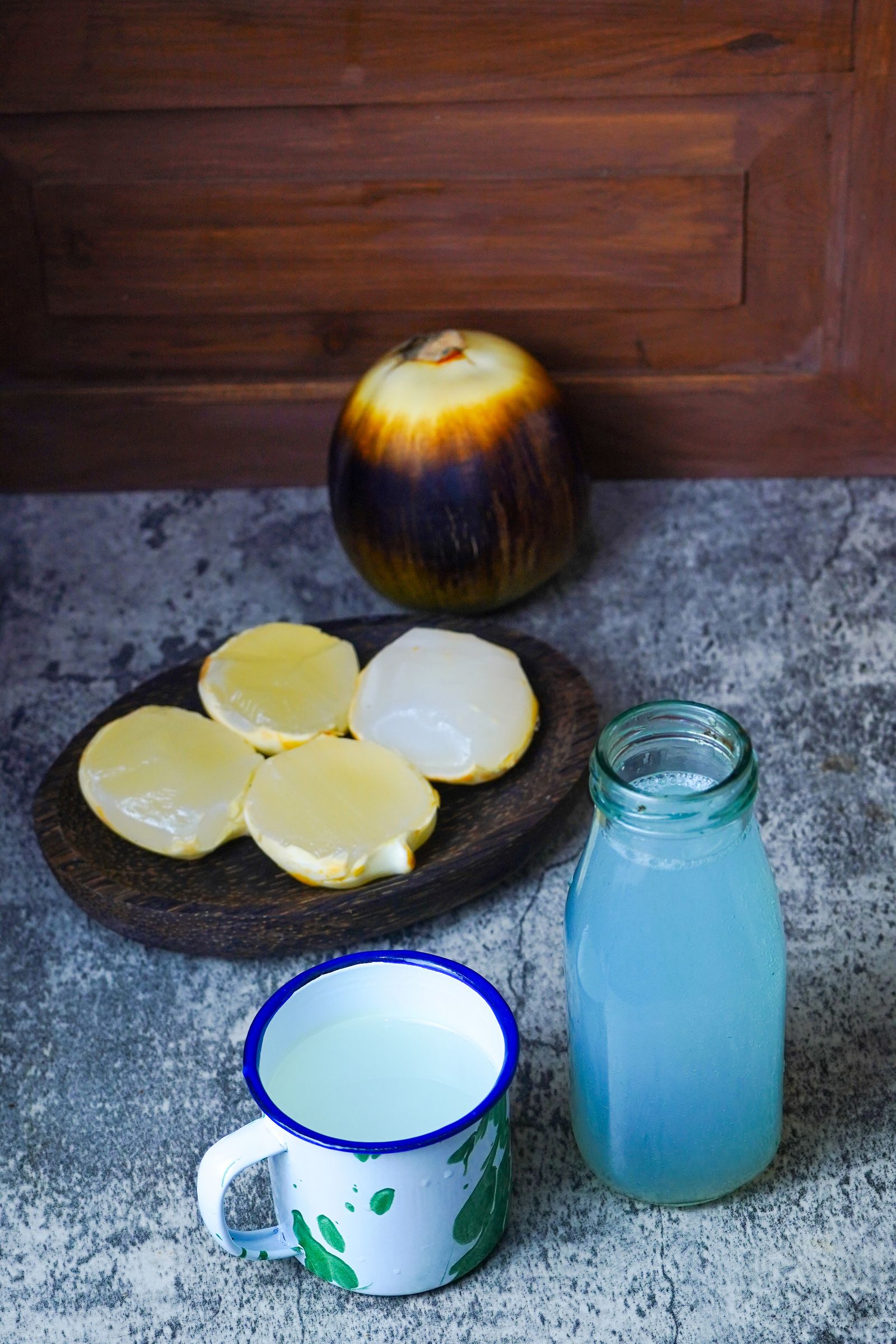
Cultured dairy drinks — laban, ayran, kefir and drinking yoghurt. Laban (the Gulf's thin, salted-sour cultured milk drink) and ayran (yoghurt, water and salt) are made by fermenting milk with lactic acid bacteria. Milk kefir uses a broader mix of bacteria and yeasts and is thicker and tangier. These are the oldest fermented drinks in the region, the cheapest per serving, and the most widely produced locally.
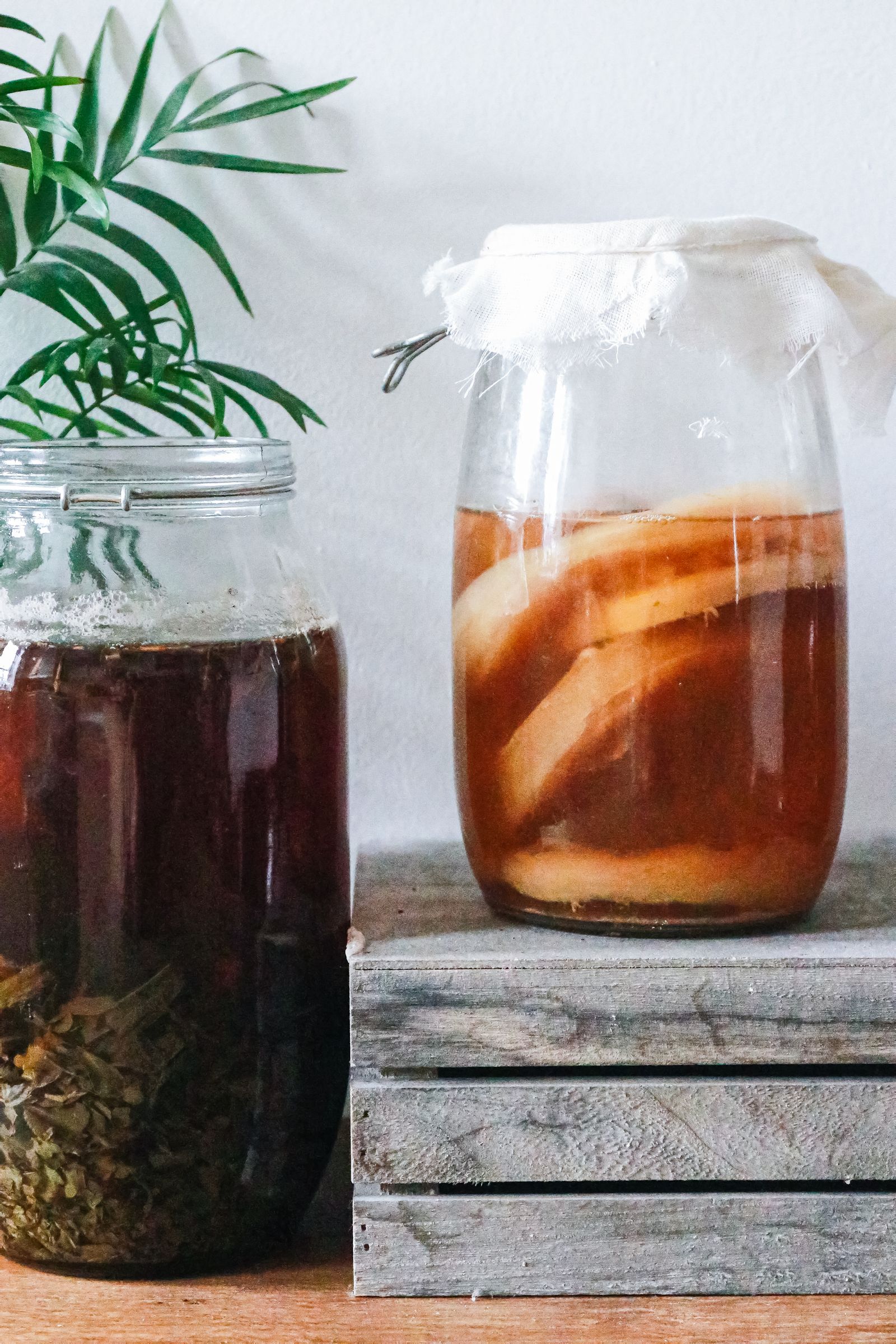
Kombucha. Sweetened tea fermented by a SCOBY — a symbiotic culture of bacteria and yeast. The yeast turns sugar into a little alcohol and carbon dioxide; the bacteria turn most of that alcohol into acids. The result is a lightly sparkling, sharp drink, usually flavoured with fruit or ginger after fermentation.
Water kefir and fermented sodas. Sugar water or juice fermented with water kefir grains. Similar in style to kombucha, without the tea.
Probiotic shots and "gut health" drinks. Small bottles, usually dairy or juice based, with a specific added probiotic strain and a count on the label. These are a manufactured product rather than a traditional ferment, and the only format in this list sold on a named strain.
Live cultures: what the label actually tells you
"Fermented" and "probiotic" are not the same claim, and the office buyer should know the difference before a wellness email promises anything.
- Fermented means microorganisms made the drink. It does not mean they are still alive when it reaches the fridge. Many shelf-stable drinks are pasteurised after fermentation, which kills the cultures.
- Contains live cultures means the organisms are still present. Chilled laban, kefir and unpasteurised kombucha usually do. Ambient-stored versions usually do not.
- Probiotic, in the strict sense, means a specific, identified strain at a dose shown to have a benefit. Most kombucha and most laban do not make that claim; probiotic shots do.
The practical rule for a pantry: if live cultures are the reason for stocking a product, buy the chilled version and check that the label says so. And keep the internal messaging modest — "a fermented drink many people enjoy" is accurate; "boosts your immunity" is a health claim the office should not be making on a supplier's behalf. The WELL certification pantry guide takes the same line on nourishment messaging generally.
The alcohol question: why kombucha needs a supplier check in the UAE
This is the part that is specific to the UAE and the part that decides whether kombucha goes on the shelf at all.
Because yeast is involved, all kombucha contains some alcohol. Commercial kombucha sold as a soft drink is made to stay at trace levels — the widely used international threshold for a "non-alcoholic" drink is below 0.5% alcohol by volume — but kombucha is a live product, and unpasteurised kombucha can continue fermenting in the bottle if it is stored warm, pushing the alcohol level up after it leaves the producer. Home-brewed and small-batch kombucha is the least predictable of all.
For a UAE office, that turns into four practical checks:
- Buy only commercially produced kombucha registered for sale in the UAE as a non-alcoholic soft drink, and ask the supplier to confirm its status in writing. Do not stock home-brew, gifts or grey-imported bottles.
- Ask about halal status. Some producers carry halal certification for their kombucha; many do not. Offices where halal certification is the standard for everything on the shelf should apply it here too. The halal compliance guide covers how to check certificates.
- Keep it cold, always. Unpasteurised kombucha belongs in the fridge from delivery to drinking. A case left in a warm storeroom or a delivery van in August is the scenario that moves it out of specification. This is the same cold-chain discipline set out in the food safety rules guide.
- Label it, and respect people's choice not to drink it. Some colleagues will avoid any fermented product with trace alcohol on religious grounds, whatever the certification says. A clear shelf label and a good alternative next to it — sparkling water, laban, a zero-sugar soft drink — makes the choice easy and private.
Laban, ayran and kefir raise a much smaller version of this question. Laban and ayran are bacterial ferments with no meaningful alcohol. Milk kefir's yeasts produce very small amounts; locally produced commercial kefir is sold as an ordinary dairy product. Treat them as you would any other dairy line.
If the office decides the kombucha checks are not worth the effort, the honest alternative is simple: stock chilled laban and a probiotic yoghurt drink, and put a good sparkling water beside them. The sparkling water guide covers the fizz that people often actually want from kombucha.
Sugar, and the 2026 excise tiers
Fermented drinks are marketed as healthy, and some of them are sweeter than people expect.
- Plain laban and ayran contain only the milk's own sugar (lactose) and no added sugar. Flavoured laban and drinking yoghurts can carry a lot of added sugar — read the panel.
- Kombucha starts as sweetened tea and the fermentation consumes part of that sugar. Finished products vary widely: some are low-sugar, while others are sweetened again with juice after fermentation. The figure to read is sugar per 100 ml on the label.
- Probiotic shots are small, but many are sweetened; per 100 ml they can be as sweet as a soft drink.
That per-100 ml figure also matters for cost. Since 1 January 2026 the UAE applies excise to sweetened drinks on a tiered, volume-based model — no excise below 5 g of total sugar per 100 ml, a lower rate from 5 g to under 8 g, and a higher rate at 8 g and above — as set out in the excise tax guide. Whether a particular kombucha, fermented soda or flavoured laban falls inside the excise scope depends on its classification as well as its sugar, so ask the supplier how each product is treated and whether excise is already included in the price. Plain, unsweetened cultured milk drinks are dairy products, not sweetened beverages.
For offices running a low-sugar pantry policy, the simple spec is: plain laban or ayran, unsweetened kefir, and kombucha under 5 g of sugar per 100 ml. The low-sugar and diabetic-friendly pantry guide covers how to phrase that in a policy.
Storage and fridge rules
Fermented drinks are live, perishable products, and they fail in predictable ways.
- Chill at 0–5 °C from delivery. Laban, ayran and kefir are short-life chilled dairy — typically days to a few weeks, printed on the pack. Unpasteurised kombucha is chilled for the reasons above.
- Order little and often. A cultured dairy line should be delivered on the same cadence as the milk, not stocked for a month. The chilled snacks guide covers fridge rotation — first in, first out, oldest date at the front.
- Store kombucha upright and open it carefully. It is carbonated, and bottles that have warmed and re-fermented can gush.
- Keep it out of the hot-desk mini-fridge that gets switched off at weekends. Fermented drinks are the first thing to spoil when a fridge cycles.
A fridge that is full, cold and rotated is a food-safety control and a waste control at the same time; the food waste guide shows how much a short-dated line costs when it is over-ordered.
Who asks for fermented drinks
- Tech companies and startups in Dubai Internet City, Dubai Silicon Oasis and Dubai Media City ask for kombucha earliest, usually as part of a broader "healthy fridge" request. The tech companies and startups vertical covers that pantry pattern.
- Creative and design agencies in Dubai Design District and Al Quoz treat the fridge as part of the studio's culture, which is where a local craft kombucha — properly checked — earns its place. See the media and creative agencies vertical.
- Coworking operators use a fermented-drinks line as a premium perk that members notice; the coworking spaces vertical covers how to price it into a membership tier.
- Healthcare and life-sciences employers in Dubai Healthcare City and Dubai Science Park are the audience most likely to ask what "probiotic" actually means on the label — the live-cultures section above is the answer. See the healthcare vertical and the pharmaceutical and life sciences vertical.
- Industrial and logistics sites in Mussafah, JAFZA and Dubai South are where laban already sits in the canteen fridge with lunch — the cheapest, most traditional fermented drink on this list and the one crews actually drink. The manufacturing and industrial vertical and the logistics and freight vertical cover those sites.
What it costs
Fermented drinks span a wide price range, and the format decides the budget more than the brand.
- Laban and ayran are the cheapest fermented drinks on the market — locally produced, sold in large formats and single-serve cups or bottles, typically a few dirhams a serving.
- Kefir and drinking yoghurts sit in the middle, roughly AED 3–7 a serving depending on format.
- Commercial kombucha is the premium line, typically AED 10–18 for a single-serve bottle, less per serving in larger bottles or on tap in a keg system for larger offices.
- Probiotic shots usually cost AED 4–8 each.
For planning: a fermented line that offers laban with lunch and a small, rotating kombucha selection for a 50-person office typically adds AED 8–20 per head per month, depending mostly on how much kombucha is on the shelf. Cap the premium line with a par level rather than leaving it open-ended; the cost-per-employee guide shows where it sits against the rest of the pantry, and the inventory management guide covers par levels.
The short version
Laban, ayran and kefir are the traditional, cheap, locally made fermented drinks, and most UAE offices already have a place for them. Kombucha is the premium, sparkling option people ask for — but in the UAE it needs a supplier check first: commercially produced and registered as a non-alcoholic soft drink, halal status confirmed where that is your standard, kept chilled from delivery to drinking, and clearly labelled with an alternative beside it. "Fermented" does not mean "live", and "live" does not mean "probiotic"; buy chilled if cultures are the point, and keep the health messaging modest. Read sugar per 100 ml, which decides both the low-sugar policy and the 2026 excise tier. Budget roughly AED 8–20 per head per month for a laban-plus-kombucha line.
MHO supplies laban, kefir and cultured dairy through the dairy and plant-based milk range, fermented and functional drinks alongside the juices and waters range, and the herbal teas range for colleagues who want a caffeine-free alternative. Browse the full range by category, check every area we deliver to, see the sectors we supply, or talk to us about adding a fermented line to your office fridge.
Frequently asked questions
Does kombucha contain alcohol? All kombucha contains some alcohol, because yeast is part of the fermentation. Commercial kombucha sold as a soft drink is produced to stay at trace levels, and the widely used threshold for a non-alcoholic drink is below 0.5% alcohol by volume. Unpasteurised kombucha can keep fermenting in the bottle if it is stored warm, so it must be kept chilled. In the UAE, offices should stock only commercially produced kombucha registered for sale as a non-alcoholic soft drink and confirm its status with the supplier.
Is kombucha halal? It depends on the product. Some kombucha producers hold halal certification and many do not. Offices that require halal certification for everything in the pantry should ask the supplier for the certificate and apply the same standard to kombucha. Because some colleagues avoid any fermented product with trace alcohol, label the shelf clearly and stock an alternative such as laban or sparkling water beside it.
Is laban a probiotic drink? Laban is a fermented, cultured milk drink, and chilled laban usually still contains live lactic acid bacteria. Whether a particular laban is a probiotic in the strict sense — a specific strain at a dose shown to have a benefit — depends on the product, and most do not make that claim. It is best described as a traditional fermented dairy drink rather than a supplement.
What is the difference between fermented and probiotic? Fermented means microorganisms made the drink; it does not mean they are still alive, since many drinks are pasteurised afterwards. Contains live cultures means the organisms are still present, which is usually true of chilled, unpasteurised products. Probiotic, strictly, means a specific identified strain at a dose shown to have a benefit, which probiotic shots claim and most kombucha and laban do not.
How should fermented drinks be stored in an office? Keep them in a fridge at 0 to 5 °C from delivery to drinking, rotate stock so the oldest date is at the front, and order little and often rather than stocking for a month. Unpasteurised kombucha must stay chilled so it does not continue fermenting, and bottles should be stored upright and opened carefully because they are carbonated. Do not keep them in a fridge that is switched off at weekends.
How much does a fermented drinks line cost for an office? Laban and ayran cost a few dirhams a serving, kefir and drinking yoghurts roughly AED 3 to 7, probiotic shots AED 4 to 8, and single-serve commercial kombucha AED 10 to 18. A line that offers laban with lunch and a small rotating kombucha selection typically adds AED 8 to 20 per head per month for a 50-person office, depending mostly on how much kombucha is stocked.