MHO Blog
Insights, tips, and trends for creating healthier, more productive workplaces in the UAE and beyond.
Latest Articles
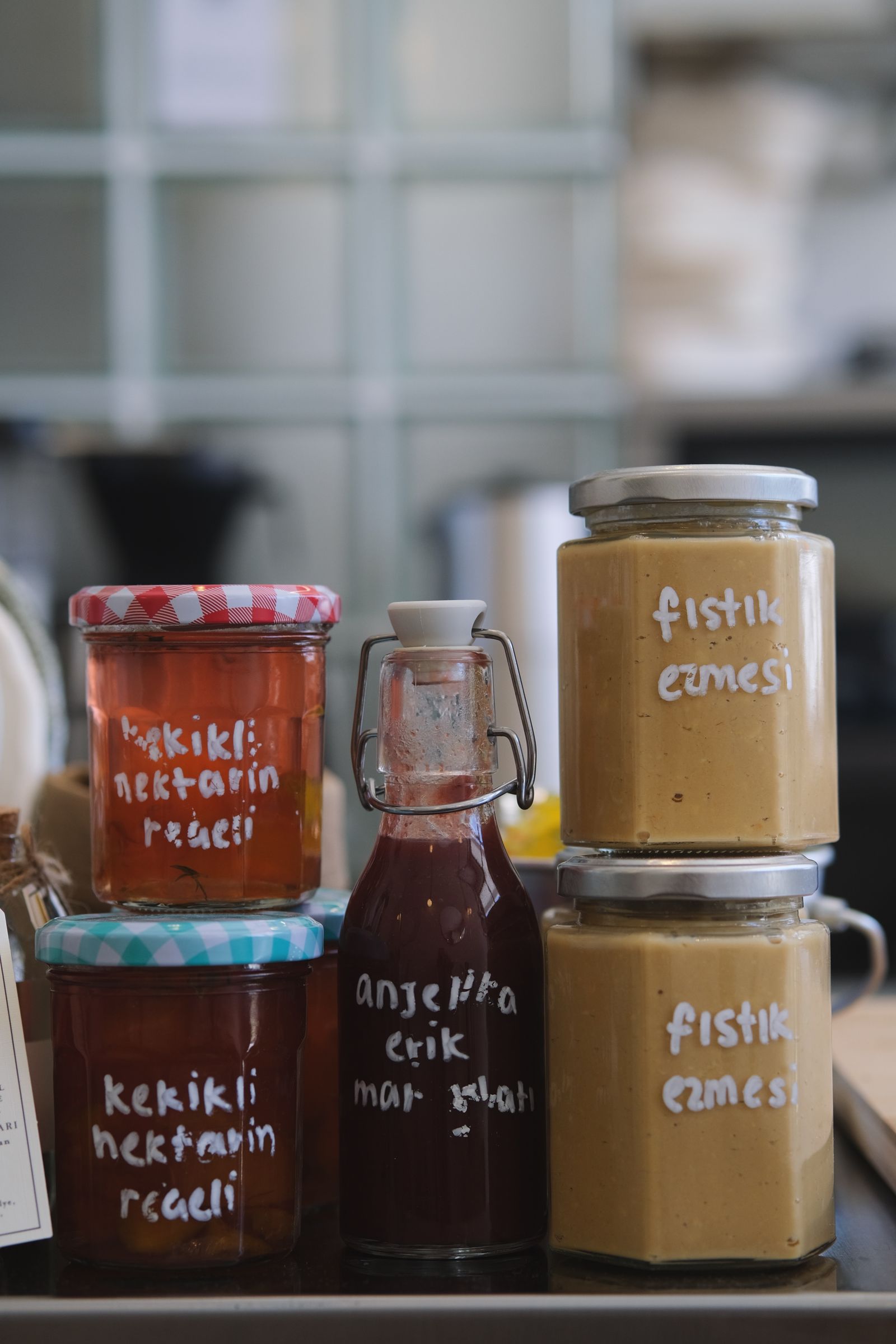
Condiments, Spreads and Pantry Staples: The UAE Office Shelf Nobody Specifies
Every office pantry has a shelf of honey, jam, peanut butter, ketchup and hot sauce that nobody ordered on purpose and nobody has audited since. It is also the shelf with the highest concentration of allergen risk, the most halal checks per item, the worst storage behaviour in UAE heat, and the only products in the pantry that are opened once and used for months. This guide specifies it properly: jar versus sachet, the opened-date rule, the halal ingredients that hide in spreads and sauces, what the heat does to honey and nut butter, and what the line should cost.
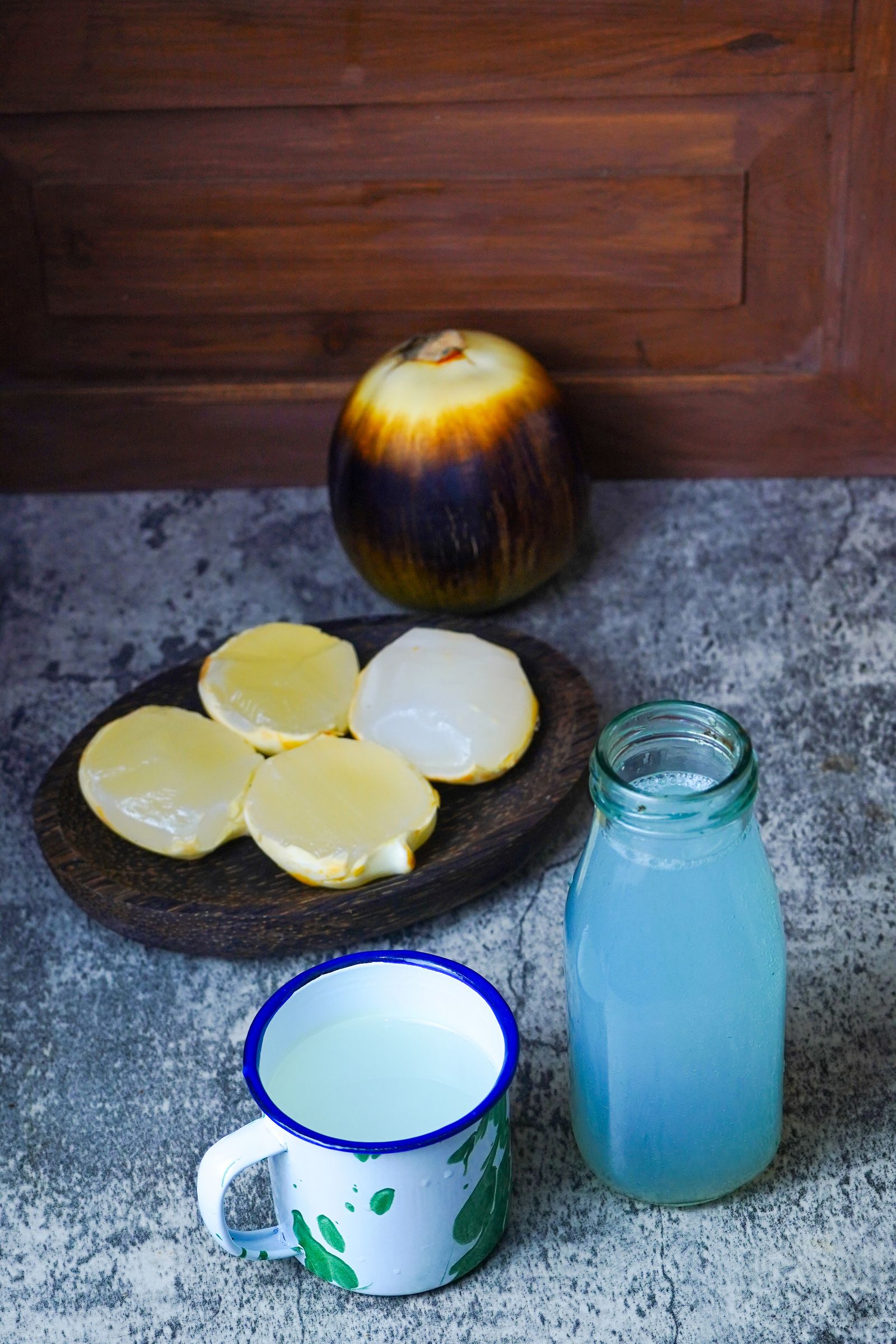
Coconut Water and Electrolyte Drinks in the UAE Office: What Actually Rehydrates
Coconut water is the most misunderstood drink in the UAE pantry fridge. It is high in potassium and low in sodium, which makes it an excellent everyday drink and a poor recovery drink for anyone who has been sweating outdoors — and sweat loss is overwhelmingly sodium. This guide sets out the difference between coconut water, isotonic sports drinks, hypotonic electrolyte tablets and oral rehydration salts, which of them belongs on an office shelf and which belongs in a site cooler, how the 2026 tiered excise treats each one, what the midday break rules oblige an employer to provide, and what the line costs per head.

Savoury Office Snacks in the UAE: Crisps, Popcorn and Crackers Without the Regret
The savoury shelf is where most office pantry programmes quietly lose the plot: a share bag of crisps tipped into a bowl, gone soft by 11 am, eaten by hand by forty people. This guide sets out how to run the salty line properly — the formats that work (portion bags, ready-popped popcorn, crackers, rice and corn cakes, the roasted-pulse tier), the fat and salt ceilings to buy against, why UAE humidity decides the packaging, the halal and allergen checks that apply to flavoured snacks specifically, how to portion and dispense them, and what the line should cost per head.

Decaf and Low-Caffeine Drinks for the UAE Office: What to Stock and Why
Most office coffee programmes are built for the 9 am rush and ignore the people who cannot, or should not, drink caffeine after lunch: night-shift teams, anyone tapering before Ramadan, pregnant staff, and the growing number who simply sleep badly. This guide covers what a decaf and low-caffeine line should contain — decaf beans, pods and instant, low-caffeine teas, caffeine-free herbal and grain drinks — how decaf is actually made, how to serve it on a single-hopper machine without cross-contamination, what it costs per cup, and how to size it for a UAE office.
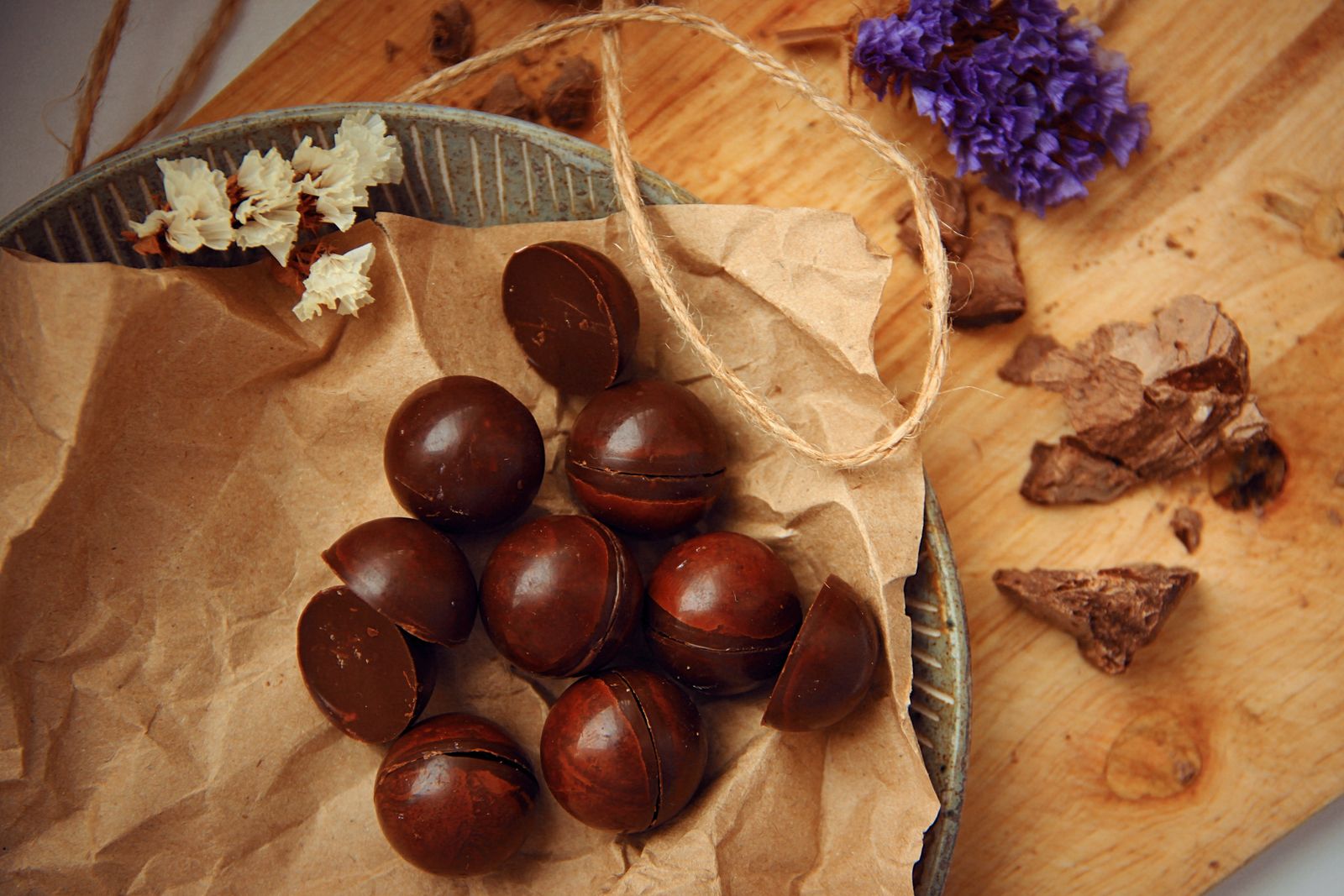
Chocolate and Sweets for the Office Pantry in the UAE: Formats, Heat and Sugar
Chocolate is the most requested item in most office pantries and the one that goes wrong most often in the UAE — it arrives bloomed from a hot van, sits in a fridge it should never have entered, or turns the 3 pm break into a sugar problem. This guide covers the formats that suit an office (portion-controlled squares, mini bars, coated nuts and dates, gummies and biscuits), the storage and delivery rules that keep chocolate intact between May and October, the halal and allergen checks that apply to confectionery specifically, a workable sugar position, and what a sweet line should cost per head.

Karak Chai in the UAE Office: Premix, Machine or Made Fresh?
Karak is the most-drunk hot beverage in the country and the one most office pantry programmes quietly ignore. This guide covers the four ways to put it in an office — made fresh by a pantry attendant, a premix sachet, a hot-holding karak machine or a cafeteria delivery round — with the cost per cup, the sugar and milk questions, the hot-holding rule that applies to any milk-based drink, and how to run a karak round in a shift workplace without a second kitchen.
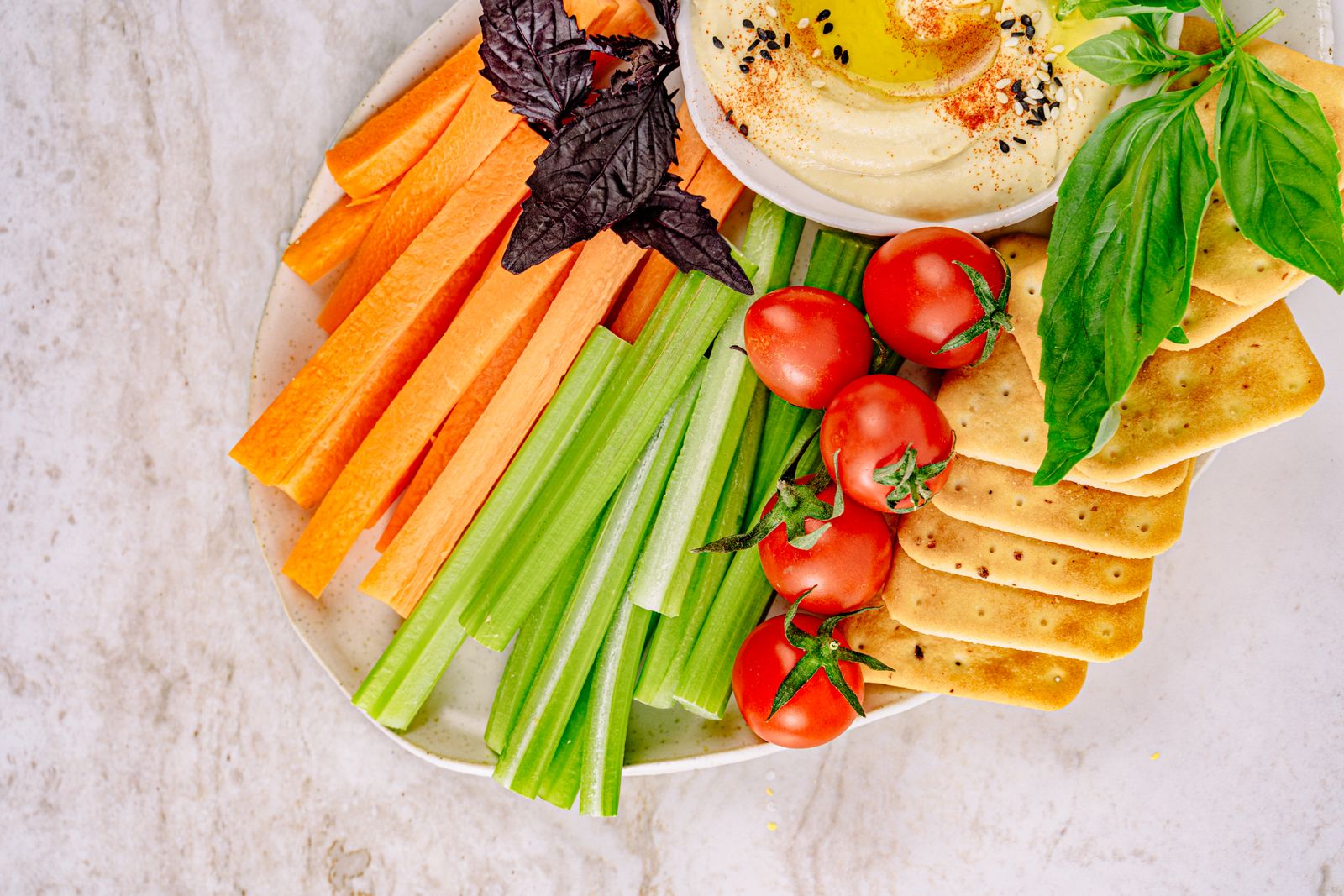
Chilled Office Snacks in the UAE: Yogurt, Cheese, Hummus and the Pantry Fridge
The ambient snack shelf is easy. The chilled snack shelf is where UAE office pantries either work or quietly fail: yogurt, labneh, cheese portions, hummus, cut fruit and plant-based protein pots are the lines people actually want at 11 am, and also the lines that go off, get lost behind someone's lunch, or arrive at 30 degrees in July. This guide covers what belongs in the office fridge, the shelf-life and temperature rules that govern it, how much to order for a hybrid week, and the fridge routine that keeps the whole thing safe and stocked.
Soft Drinks in the Office Fridge: What the 2026 UAE Sugar Tax Changed
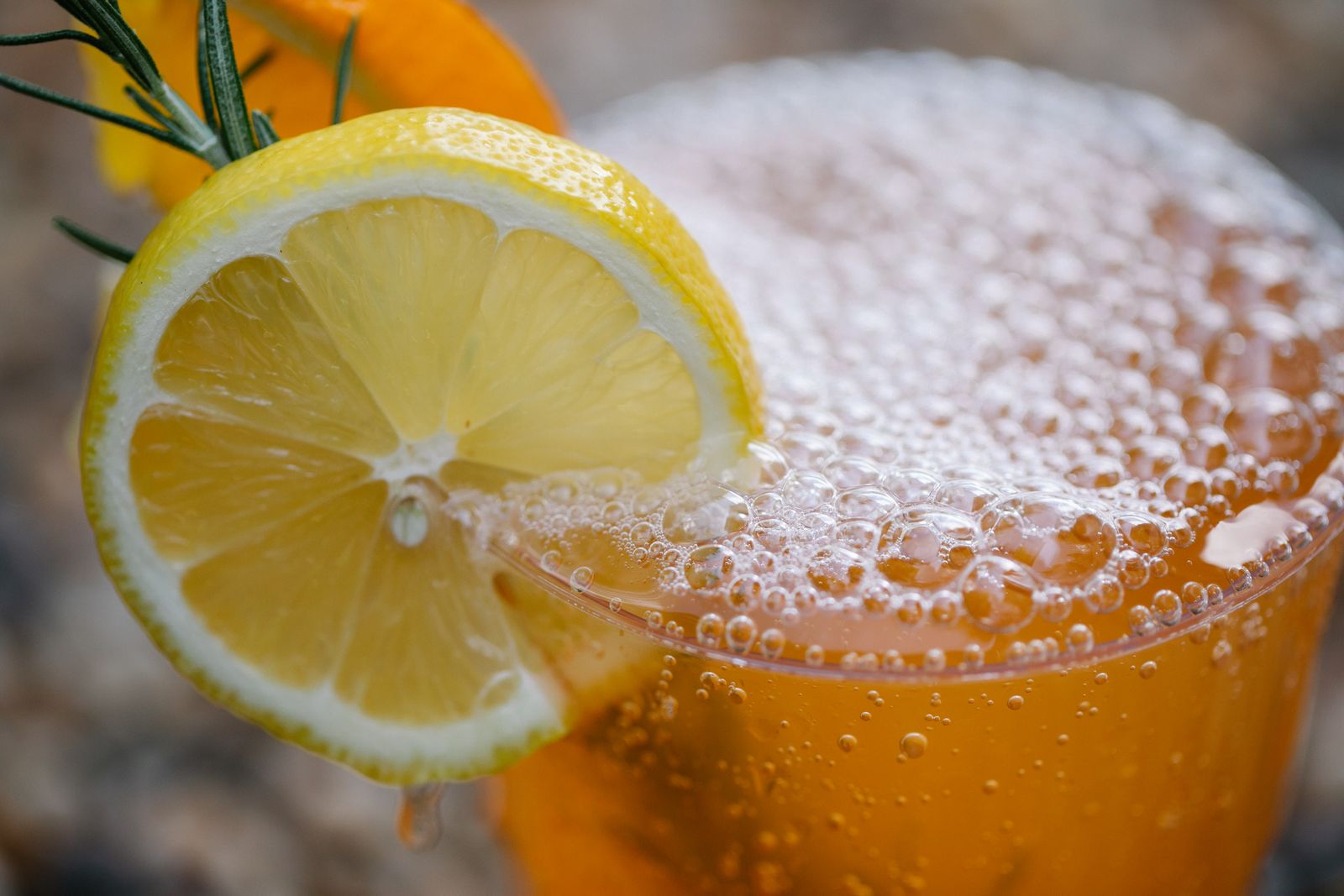
Since 1 January 2026 the UAE no longer taxes sweetened drinks at a flat 50 per cent. Excise is now charged per litre and set by the sugar content per 100 ml, and a zero-sugar soft drink carries no excise at all. That single change re-prices the office fridge: the same cola in regular and zero-sugar form now lands at two different costs, the low-sugar tier is worth understanding, and the case for keeping soft drinks at all looks different than it did a year ago. This guide covers the tiers, what they do to the cost per can, which lines to keep, and how to reset the fridge without a fight.
Office Cups, Cutlery and Disposables After the UAE Single-Use Plastic Ban
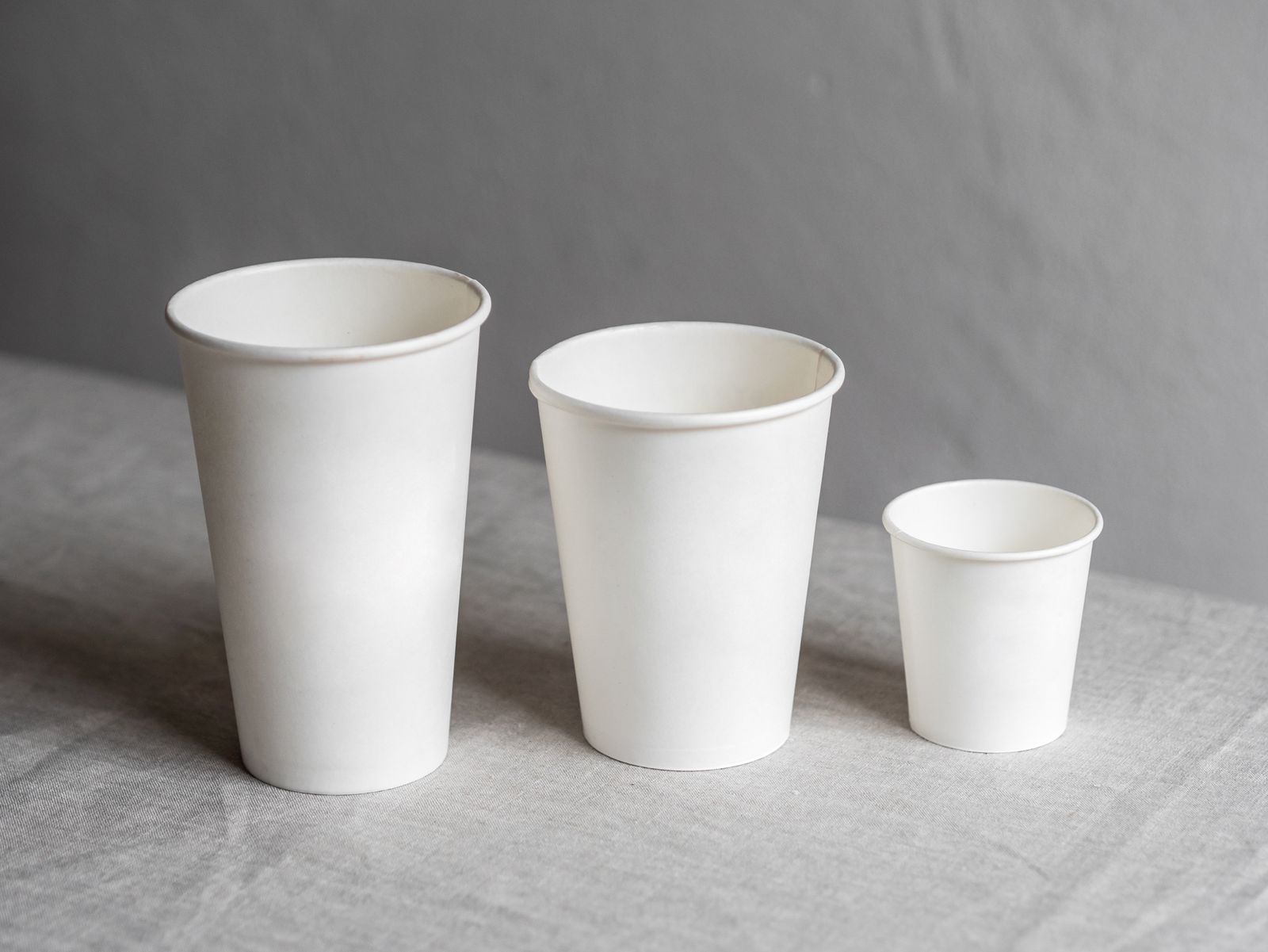
Since 1 January 2026 the UAE has banned the import, manufacture and trade of single-use plastic cups, lids, cutlery, plates, straws, stirrers and polystyrene food containers. For an office pantry that is a stock-list problem, not a sustainability essay: the pack of plastic forks in the drawer is not being replaced, and the compliant alternatives cost, store and perform differently. This guide covers what the ban actually removes, what to buy instead line by line, where reusables beat any disposable, and how to write the order so the pantry, the events calendar and the site canteen all stay compliant.