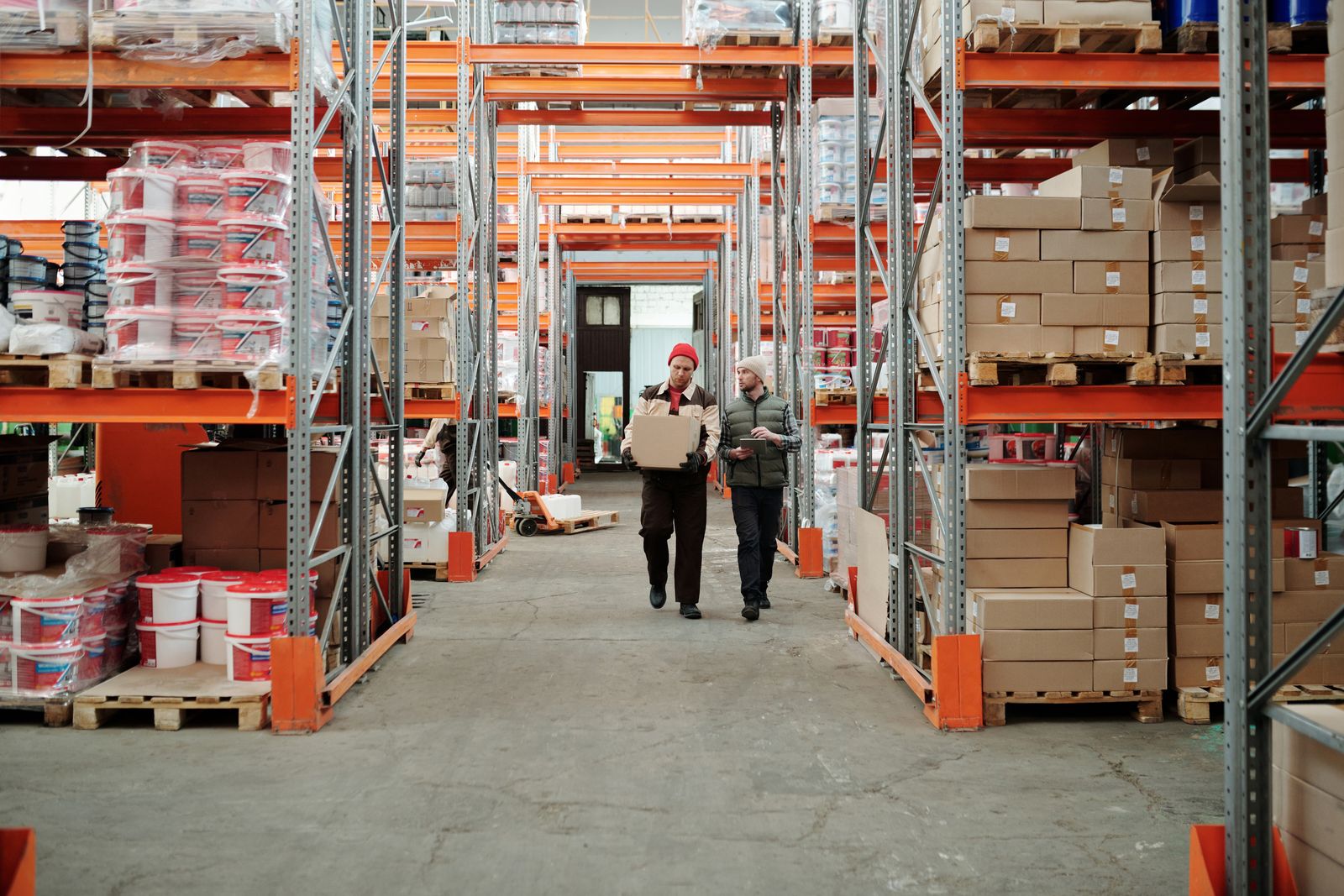
Masdar City was built as Abu Dhabi's low-carbon district, and the companies that choose to be there chose it for a reason: renewable energy developers, cleantech firms, sustainability consultancies, the international agencies and research institutes of the energy transition, and increasingly the ESG teams of the large energy companies. Most of them have a sustainability policy with numbers in it. Many have signed an estate or group commitment on waste, packaging and procurement. And all of them have a pantry, which is the one part of the office where single-use packaging, food waste and water arrive every week in a van.
This guide is for office managers, facilities leads and sustainability officers in Masdar City and in the wider Abu Dhabi energy sector, from Yas Island to the corporate towers of the city. It covers the five lines a pantry policy has to answer to, what to change, what to leave alone, and how to report it without a spreadsheet nobody fills in.
The five lines a pantry has to answer to
A sustainability commitment, whether it is an estate rule, a group ESG policy or an ISO 14001 system, touches the pantry in five places:
- Single-use packaging: cups, cutlery, bottles, sachets, wrappers.
- Waste: what leaves the pantry, and whether it is measured and sorted.
- Water: bottled versus filtered, and how the bottles come and go.
- Supplier footprint: where the goods come from, how often the van comes, what it runs on.
- Reporting: evidence, not intentions, for the audit or the annual report.
Most pantries fail the audit on the first and the fifth, and the fifth is the easier fix.
Packaging: what to change and what to keep
The UAE's single-use plastic rules already removed plastic bags, and Abu Dhabi has phased out single-use plastic cups, cutlery, plates and stirrers in most settings. A Masdar pantry usually goes further:
- Cups: ceramic for the office, paper with a plant-based lining only for visitors, no plastic lids. The cups and cutlery after the plastic ban guide covers what each option is made of.
- Water: filtered, plumbed dispensers and a reusable bottle per person, which removes the single largest plastic stream in an office. The water filtration guide covers the equipment; glass bottles and cans, returnable where possible, cover the boardroom. Sparkling water on tap removes the second largest stream.
- Snacks: bulk dispensers for nuts and dried fruit, fruit loose, and a shorter list of wrapped items chosen for recyclable packaging. The plastic waste reduction guide sets the order of priority.
- Coffee: beans in a bean-to-cup machine rather than capsules, or a capsule system with a documented recycling route. Milk in returnable or recyclable cartons.
What to keep: the coffee quality, the fruit, the cold water. A sustainability pantry that staff experience as worse coffee in a smaller cup loses the office in a month, and an ESG team that loses the office on the pantry has a harder time on the bigger items.
Waste: measure it, then reduce it
Pantry waste in an office is mostly packaging and uneaten fresh food. Two changes do most of the work:
- Three bins, labelled, at the pantry (recyclables, food waste, general), with the food waste bin weighed or counted weekly. A number on the wall changes behaviour; a bin alone does not.
- Order to consumption. Fruit and chilled items ordered for the headcount that is actually in the office, adjusted by the empties, not by the sign-up list. The food waste playbook covers the ordering discipline and the consumption benchmarks give the starting figures.
Composting of pantry food waste is possible where the building or estate runs a scheme, and Masdar City's estate services are ahead of most on this; ask before buying a composter.
Supplier footprint: fewer vans, one account
The pantry's supply chain is where sustainability officers have the least visibility and the most leverage. Three questions for the supplier:
- How many deliveries a week, and can they be consolidated? One van carrying water, coffee, fruit, snacks and hygiene consumables replaces three or four. The supplier consolidation case makes the argument for cost; the carbon argument is the same one.
- What comes back? Water bottles, crates, coffee grounds for the estate's composting, packaging the supplier can take away. A supplier that collects the empties is worth more than one that only delivers.
- What is local? UAE-grown fruit and vegetables in season, regional dates and nuts, locally roasted coffee. The seasonal fruit calendar shows what is grown here and when.
For cleaning and hygiene, the same logic applies to the chemicals: concentrated, eco-certified products from the facility hygiene range rather than ready-to-use bottles, and refillable dispensers.
Reporting: evidence, not intentions
An audit or an ESG report wants numbers. The pantry can produce four with no extra work if the supplier's account is set up for it:
- Litres of bottled water avoided (dispenser meter, or the old bottle count).
- Deliveries per month (from the supplier's schedule).
- Kilograms of food waste per month (from the weekly weigh).
- Share of spend on local or regional produce (from the itemised invoice).
Ask the supplier to itemise by category on the monthly statement and the first and fourth numbers come from the invoice. The pantry KPIs guide shows how to present them, and the WELL certification guide covers the overlap with building certification, which many Masdar buildings carry.
Who this applies to
Companies in Masdar City range from the renewable energy developers and the cleantech start-ups of the free zone to the research institutes and international agencies on the campus. The same commitments increasingly reach the oil, gas and energy companies of Abu Dhabi, whose ESG teams are writing the group policy that the pantry has to meet; the energy sector pantry guide covers their offices in full. Sustainability and engineering consultancies, who advise clients on exactly these commitments, usually want their own pantry to be the demonstration; the tender week guide covers their hospitality side. Offices on Yas Island follow the same estate-led pattern. The Yas, Saadiyat, Masdar and Mussafah delivery guide explains the practical side of deliveries into the district, including the restricted vehicle access on the Masdar campus. My Healthy Office supplies offices across the district on consolidated weekly deliveries, collects water bottles and crates, and itemises the monthly statement by category so the reporting numbers fall out of the invoice.
The short version
- A sustainability commitment touches the pantry on packaging, waste, water, supplier footprint and reporting.
- Replace plastic cups and bottled water with ceramic, filtered dispensers and reusable bottles; keep the coffee quality.
- Three labelled bins with the food waste weighed weekly, and ordering adjusted to the empties.
- Consolidate deliveries, ask what the supplier takes back, and buy local produce in season.
- Report four numbers from the dispenser meter, the delivery schedule, the weigh and the itemised invoice.
Frequently Asked Questions
What does a sustainability policy require of an office pantry? In practice five things: no single-use plastic packaging, measured and sorted waste, filtered water instead of bottled, a supplier footprint with fewer deliveries and local produce, and evidence for the audit or ESG report.
How do we remove bottled water from the office without complaints? Install plumbed filtered dispensers, give every person a reusable bottle, keep glass or canned water for visitors and the boardroom, and add sparkling water on tap. Staff complain about warm water and poor coffee, not about the absence of plastic bottles.
What should we measure for the ESG report? Litres of bottled water avoided, deliveries per month, kilograms of pantry food waste per month and the share of spend on local or regional produce. The last comes straight from an itemised supplier invoice.
Do pantry suppliers deliver inside Masdar City? Yes. Vehicle access on the campus is restricted and deliveries are made to agreed drop points and times, so register the supplier with the building and consolidate the week's order into one delivery.
Can we compost pantry food waste in Masdar City? Often, through the estate's own waste services rather than an office composter. Ask the building management what they collect before buying equipment, and weigh the food waste bin weekly so the number is ready for the report.