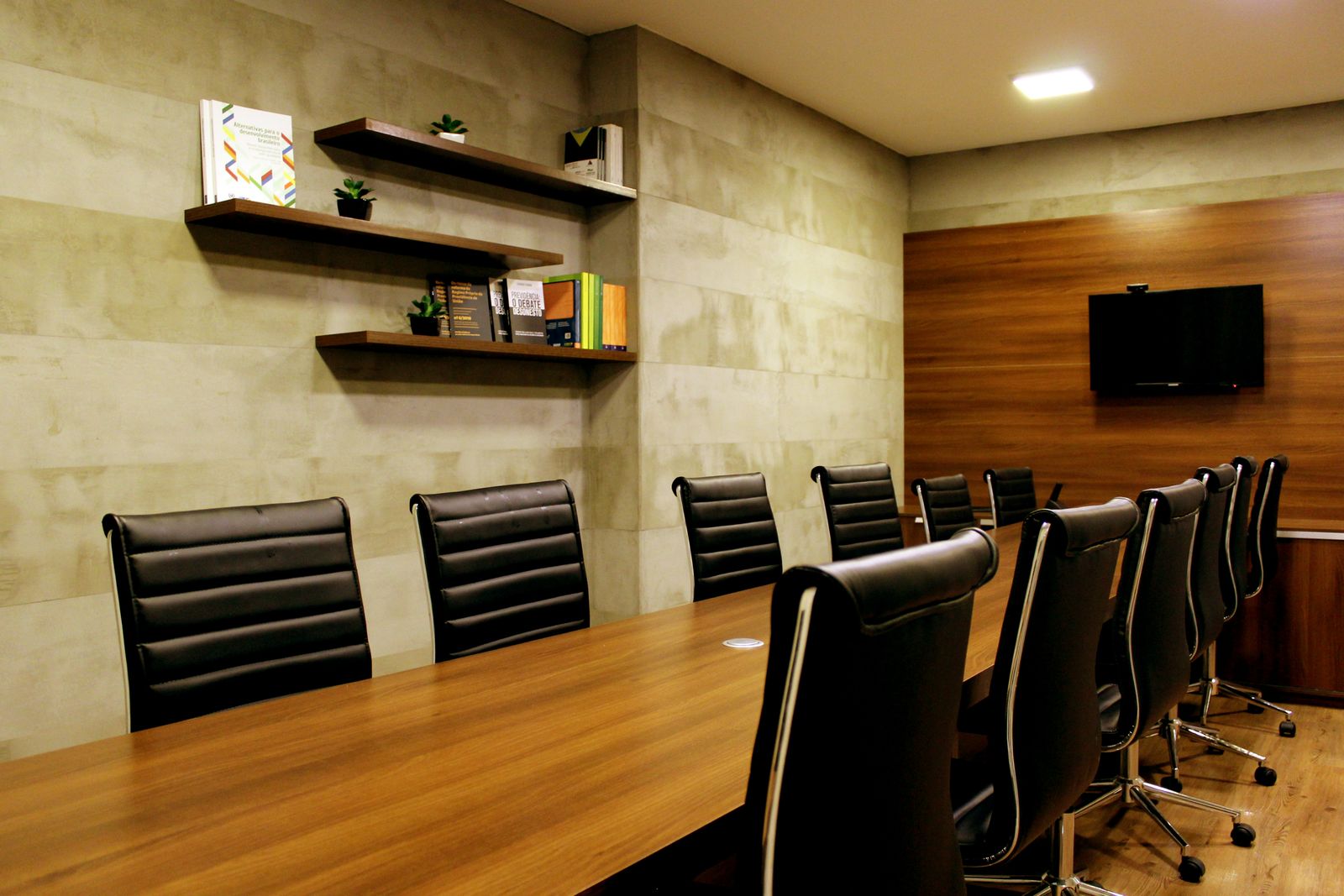
A board meeting is one of the few times a year when the most senior people connected to a company sit in one room for hours. Directors fly in, investors join, and the agenda is long. The refreshments will not decide anything, but poor ones are noticed: an empty water jug during a difficult item, coffee that arrives late, a lunch nobody can eat.
This guide is for company secretaries, executive assistants and office managers in the UAE who organise board meetings, committee meetings and annual general meetings (AGMs).
Start from the agenda
The agenda sets the refreshment plan. Before ordering anything, get three facts from the company secretary:
- Start time, end time and breaks. A two-hour committee meeting needs water and coffee. A full-day board meeting needs a breakfast, a mid-morning break, lunch and an afternoon break.
- Who attends. Directors, observers, advisers, presenters who come in for one item, and the minute-taker.
- Whether the room is closed. Many boards discuss confidential items, and staff should not walk in and out. That changes how food is served (more on this below).
Plan to the agenda, then add 15 to 20 minutes of slack. Board meetings often overrun.
What to serve, and when
On arrival
- Coffee and tea, ideally freshly brewed. For a small board, a good bean-to-cup machine in or near the room works well; see our coffee and coffee machines range and the espresso machine guide.
- Arabic coffee and dates are a natural welcome in the UAE, especially when guests or shareholders from the region attend. The Arabic coffee and dates guide covers serving etiquette.
- A light breakfast if the meeting starts before 9:00: fruit, yogurt, pastries and a savoury option. The corporate breakfast catering guide and our breakfast and corporate events range have the details.
On the table
- Still and sparkling water at every seat, plus spare bottles within reach. The boardroom water guide compares options.
- A small bowl of nuts or dried fruit per two to three seats; see nuts and seeds and dried fruits.
- Mints and tissues. Small, but always noticed when missing.
Breaks
Keep breaks short and easy to eat standing: cut fruit, mini sandwiches, protein bites and a fresh pot of coffee. Avoid anything messy or strong-smelling if people return to the boardroom with it.
Lunch
For a working lunch, choose food that can be eaten with a fork while reading papers: salads, grain bowls, grilled protein and vegetables. Avoid heavy rice dishes if the afternoon agenda is demanding.
Quantities per person
For a full-day meeting, a reliable starting point per attendee:
| Item | Quantity |
|---|---|
| Water (still and sparkling) | 1.5 to 2 litres |
| Hot drinks | 4 to 5 cups |
| Breakfast | 1 pastry or bread portion, 1 portion of fruit |
| Snacks at the table | 40 to 60 g of nuts or dried fruit |
| Break food | 2 to 3 small pieces per break |
| Lunch | 1 full portion, plus 10% extra |
Count presenters who attend only one item as half a person, and always count the minute-taker and the assistant outside the room.
Dietary needs and labels
Directors often travel and may have strict dietary needs. Ask the company secretary to collect them with the meeting papers, a week in advance. Plan for:
- Halal as the default for all food. See the halal compliance guide.
- Vegetarian and vegan options at every meal.
- Allergies, especially nuts, gluten and dairy. Label every tray clearly; the allergen labelling guide explains how.
- Low-sugar choices next to pastries. Our low-sugar treats range helps.
- Decaf and herbal tea for the afternoon. See herbal teas.
Keeping a closed room quiet
When the board discusses confidential items, the chair may ask that no staff enter. Plan for it:
- Set everything before the session starts: water, cups, snacks and a thermos of coffee on a side table.
- Use a side table, not table service. Directors serve themselves.
- Agree a signal with the chair's assistant for when the room can be refreshed, usually at the break.
- Clear and reset during breaks only, then leave.
AGMs and larger shareholder meetings
An AGM is bigger and more public than a board meeting. Shareholders, auditors and sometimes the press attend. The refreshment plan looks more like a small event:
- A registration area with water, coffee and dates while people sign in.
- Standing refreshments after the meeting rather than a seated lunch.
- Clear signage for dietary options.
- Enough cups and napkins for the full registered list, plus 20%. The cups and cutlery guide covers what to use under the UAE single-use plastic rules.
Industries where this matters most
Board and committee meetings are frequent in some sectors:
- Family offices and holding companies, where family councils and investment committees meet regularly with family members and outside advisers. See the family office pantry guide and our family offices page.
- Banks and financial services, with risk, audit and credit committees. See banks and financial services.
- Aviation and airport services companies, whose boards often bring together shareholders, airline partners and regulators. See our aviation and airport services page.
- Law firms and consultancies that host client boards in their meeting rooms. See law firms.
Offices in DIFC and ADGM host many of these meetings.
A simple checklist
- Get the agenda, attendee list and dietary needs a week ahead.
- Confirm whether the room is closed during sessions.
- Order water, coffee, snacks and meals to the quantities above.
- Set the room and side table 30 minutes before the start.
- Refresh only during breaks.
- Keep spare water, cups and napkins outside the room.
- After the meeting, note what was left and adjust for next time.
Frequently Asked Questions
How much water should we provide per person at a full-day board meeting? Plan for 1.5 to 2 litres per person, split between still and sparkling, with spare bottles on a side table so nobody has to ask for more during a session.
Should staff serve food inside the boardroom during the meeting? Usually not. Set everything on a side table before the session starts and refresh only during breaks, especially when the board discusses confidential items.
What is a good lunch for a working board meeting? Food that can be eaten with a fork while reading papers: salads, grain bowls, grilled protein and vegetables. Avoid heavy or messy dishes if the afternoon agenda is demanding.
How far in advance should we collect dietary requirements? About a week ahead, together with the meeting papers. Directors often travel and may have strict dietary or allergy needs that need special ordering.
Is an AGM catered differently from a board meeting? Yes. An AGM is larger and more public, so it usually needs a registration area with coffee, water and dates, standing refreshments after the meeting, and enough cups and napkins for every registered shareholder plus 20%.